
The Ultimate Guide to Buying the Best Travel Charger for Phones and Laptops in 2026

Gan Travel Chargers

Gan Travel Chargers

Introduction: Why Your Old Travel Charger Isn’t Cut Out for Travel

Picture this: You’re in a crowded airport during a layover, your laptop battery is at 5%, and your phone isn’t far behind. You scramble for an outlet, only to find you’ve packed a tangle of slow, bulky travel chargers that take forever to power one device, let alone all of them. This modern travel nightmare is entirely avoidable.

The right travel charger is no longer a luxury; it’s a necessity. It’s the command center for your digital life on the road, capable of juicing up your smartphone, laptop, tablet, and headphones simultaneously, quickly, and safely—all from a single, compact device that fits in your pocket.

This comprehensive guide will walk you through everything you need to know to invest in a perfect travel charger for your needs, covering key specs, crucial features, and top recommendations to ensure you never face a dead device again.

Chapter 1: Understanding the Core Specifications of Travel Charger

Before you buy, you need to speak the language. These technical terms define a charger’s capability.

1. Wattage (W): The Powerhouse Metric

Wattage is the most critical factor determining charging speed. Simply put, higher wattage = faster charging, but only if your device can handle it.

  • Phones (iOS & Android): Most modern smartphones support fast charging between 20W and 45W. A 20W charger will fill an iPhone much faster than the old 5W brick.

  • Tablets: Typically require 30W to 45W for optimal charging.

  • Laptops: This is where power needs jump. Most modern ultrabooks (MacBook Air, Dell XPS 13) need at least 45W-65W. Larger notebooks and gaming laptops may require 100W or more.

Pro Tip: For a future-proof charger that can handle a laptop and other devices, aim for a minimum of 65W. If you’re a power user with a high-performance laptop, look for 100W+.

2. USB Power Delivery (PD): The Universal Fast-Charging Standard

USB Power Delivery (USB-PD) is a universal fast-charging protocol that allows for higher power transfer over USB-C connections. It’s what enables a small charger to power a large laptop.

  • Why it matters: USB-PD is the standard for modern MacBooks, Windows ultrabooks, iPads, and high-end Android phones. If your charger and device both support USB-PD, they will negotiate the fastest possible charging speed.

  • Look for it: Ensure any charger you buy prominently features “USB Power Delivery” support.

3. Ports: Quantity and Type

The number and type of ports determine how many devices you can charge at once.

  • USB-C Ports: These are essential. Look for chargers with multiple USB-C ports, as they are used for high-speed data transfer and high-wattage charging. This is where your laptop will plug in.

  • USB-A Ports: While older, these are still useful for charging older devices like Bluetooth headphones, some fitness trackers, or for using older cables. A good travel charger should have at least one.

Aim for a charger with 2-3 ports minimum (e.g., 2x USB-C + 1x USB-A) to avoid carrying multiple chargers.

Chapter 2: Must-Have Features for the Modern Traveler

Beyond the basic specs, these features separate good chargers from great ones.

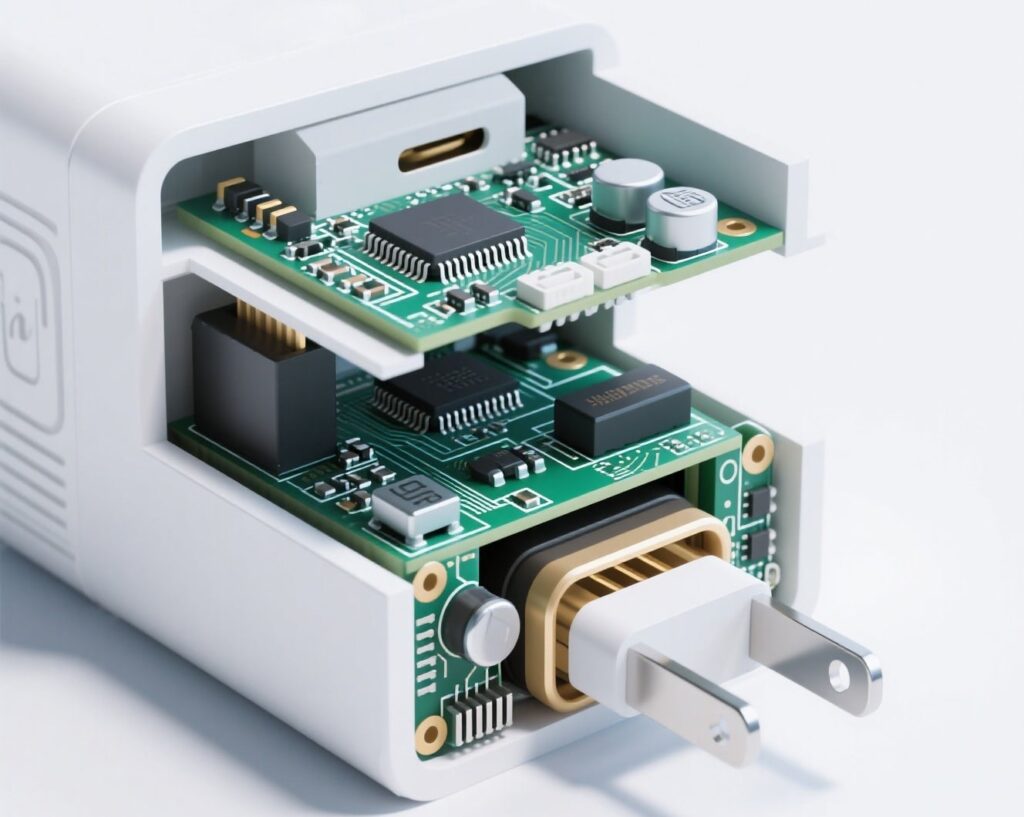
1. GaN Technology: Smaller, Cooler, and More Efficient

Gallium Nitride (GaN) is a revolutionary semiconductor material that has transformed charger design.

  • Smaller Size: GaN chargers are significantly smaller and lighter than traditional silicon-based chargers with the same power output. This is a game-changer for travel.

  • Greater Efficiency: They waste less energy as heat, meaning they run cooler and are often more reliable.

  • The Verdict: In 2025, always choose a GaN charger. The price difference is minimal, and the benefits for a traveler are enormous.

2. Compact and Foldable Design

A travel charger should be, above all, travel-friendly. A foldable plug (like those from Anker or Ugreen) is a brilliant feature that protects your bag and other items from getting scratched. Compactness ensures it doesn’t block adjacent outlets in crowded airport charging stations.

3. PPS Support: The Smart Charging Protocol

PPS (Programmable Power Supply) is an advanced protocol within the USB-PD 3.0 standard. It allows for minute adjustments in voltage, which increases efficiency and reduces heat generation. This is particularly important for Samsung Galaxy smartphones (like the S-series), which use PPS for their super-fast charging (45W). If you’re an Android user, look for PPS support.

4. International Compatibility (Voltage & Plug Adapters)

A true travel charger must work anywhere.

  • Input Voltage: Ensure it supports 100-240V input voltage. This is standard for most quality chargers and means it will work seamlessly with any voltage from the U.S. to Europe to Asia without a bulky separate voltage converter.

  • Interchangeable Plugs: Some advanced travel chargers (like the Zendure Passport) come with built-in, swappable plugs for US, EU, UK, and AUS outlets. This is incredibly convenient, eliminating the need for separate plug adapters.

Compact GaN Tech charger

Compact GaN Tech charger

Chapter 3: Safety and Reliability: Don’t Cut Corners

A cheap, uncertified charger can fry your $2,000 laptop. Never compromise on safety.

  • Certifications: Look for safety certifications like UL (Underwriters Laboratories), ETL, CE or other?. These indicate the product has been tested and meets specific safety standards.

  • Protections: Quality chargers include built-in protections against:
  • Overheating
  • Overcurrent
  • Overvoltage
  • Short circuits
  • Brand Reputation: Stick with reputable brands known for quality and customer service, such as Anker, Spigen, Satechi, Trunker, and Belkin. Their products may cost slightly more but offer peace of mind.

Chapter 4: Top Travel Charger Recommendations for 2025

Here are some top-tier options categorized by use case:

Product ExampleWattageKey FeaturesBest For
Anker 735 Charger (GaNPrime 65W)65W3 ports (2xC, 1xA), GaN II tech, compact foldable plugThe all-rounder: perfect for a MacBook Air/Pro and two other devices.
Ugreen Nexode 100W Charger100W3 ports (2xC, 1xA), GaN tech, PPS support, foldable plugPower users with a high-wattage laptop who need to charge multiple devices fast.
Zendure Passport III65W2 ports (1xC, 1xA), Built-in int’l plugs (US/EU/UK/AUS), GaNThe frequent international flyer who wants an all-in-one solution.
Anker 313 Charger (PowerPort III 20W)20WSingle USB-C port, incredibly compact and affordableThe minimalist traveler who only needs to fast-charge a phone.
Lider Travel Charger

Lider Travel Charger

Chapter 5: Putting It All Together: Your Buying Checklist

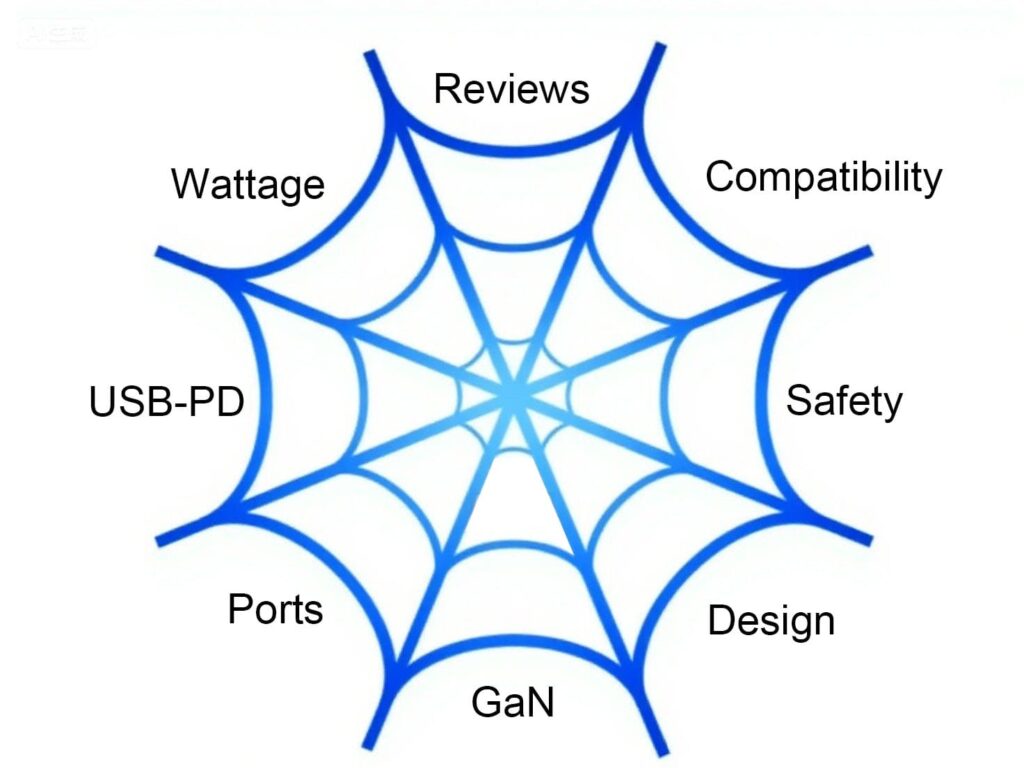
Before you click “buy,” run through this checklist:

  1. ✅ Wattage: Does it have enough power for my laptop (at least 65W) and devices?

  2. ✅ USB-PD: Does it support USB Power Delivery for fast laptop charging?

  3. ✅ Ports: Does it have enough ports (USB-C and USB-A) for all my gear?

  4. ✅ GaN: Is it made with GaN technology for a smaller size?

  5. ✅ Design: Is it compact with a foldable plug?

  6. ✅ Safety: Does it have necessary certifications (UL, ETL, CE or other)?

  7. ✅ Compatibility: Does it support 100-240V for international travel?

  8. ✅ Reviews: Have I checked verified customer reviews for real-world performance?
More to check

More to check

Conclusion: Invest in Your Connectivity

Your travel charger is the unsung hero of your go-bag. Choosing the right one—a powerful, compact, safe, and versatile GaN charger with multiple ports—will transform your travel experience. It declutters your bag, reduces your stress, and, most importantly, keeps you connected to the world, your work, and your loved ones, no matter where your journey takes you.

Ditch the bundle of old chargers and make the upgrade. Your future self, calmly working on a fully charged laptop while everyone else scrambles for an outlet, will thank you.

Ready to find your perfect travel charger? Use the guide and checklist above to compare top-rated models on Amazon or your favorite electronics retailer today!

The End of Charging Anxiety? Breakthroughs in Smartphone Battery Technology

Charging anxiety – For over a decade, the smartphone has evolved at a blistering pace. We’ve seen cameras transform into professional studio equipment, screens become dazzling windows to virtual worlds, and processors powerful enough to run complex games. Yet, one component has stubbornly lagged behind, a digital ball and chain holding back our mobile lives: the battery.

We all know the feeling. That sinking sensation when the red battery icon appears, the frantic search for an outlet, the heavy power bank weighing down a bag. This is “charging anxiety,” and it has been the unsolvable problem of the mobile era. But for the first time, a wave of genuine technological breakthroughs promises to consign this anxiety to the history books.

The revolution is happening on three fronts: speed, longevity, and fundamental chemistry.

1. The Speed Revolution: From 0 to 100 in Minutes

Fast charging is no longer a novelty; it’s a battlefield. While companies have raced to higher wattages (with some now boasting 100W, 150W, and even 200W speeds), the real innovation is in the intelligence behind the charge.

  • GaN (Gallium Nitride) Technology: The unsung hero of fast charging. GaN chargers are smaller, more efficient, and generate less heat than traditional silicon chargers. This allows them to deliver high power consistently without the risk of damaging your phone—or melting your outlet.

  • Intelligent Power Management: Your phone is no longer a passive recipient of power. Advanced chipsets now manage the charging process in real-time, regulating voltage and current based on the phone’s temperature and your usage patterns. This means you can safely get a 50% charge in the time it takes to drink your morning coffee.

The promise is no longer just “all-day battery,” but “a day’s power in minutes.”

2. The Longevity Revolution: Batteries That Refuse to Die

What good is a fast-charging battery if it dies in two years? Battery degradation—the slow loss of maximum capacity over hundreds of charge cycles—is the next frontier. Manufacturers are finally tackling this head-on.

  • Advanced Battery Health Algorithms: Companies like Apple and Samsung now use sophisticated software that learns your charging habits. Features like “Optimized Battery Charging” hold the phone at 80% until you need it, reducing the wear and tear caused by staying at 100% for prolonged periods.

  • Hardware Innovations: New designs with multiple battery cells and improved heat dissipation systems prevent the high temperatures that are a primary killer of battery health. The goal is a battery that retains over 80% of its capacity after 1,000 full cycles—effectively doubling its usable lifespan.

This shift means your next phone won’t just last a day on a charge; it will last years before feeling the need for a replacement.

3. The Chemistry Revolution: Beyond Lithium-Ion

This is where the science fiction becomes reality. The lithium-ion battery has had a great run, but its limits are clear. The next generation is taking shape in labs around the world.

  • Solid-State Batteries: The holy grail. By replacing the flammable liquid electrolyte with a solid material, these batteries promise immense energy density (more power in the same size), dramatically faster charging, and zero fire risk. While still expensive to mass-produce, companies like Toyota and Samsung SDI are pouring billions into making them a commercial reality for smartphones.

  • Graphene Batteries: Graphene, a “wonder material” just one atom thick, could be a game-changer. It boasts incredible conductivity and heat dissipation. Batteries using graphene could charge from 0 to 100% in as little as 15 minutes and handle many more charge cycles than current tech. While still emerging, it represents a tangible path forward.

The Future is Unplugged

So, is this the end of charging anxiety? The answer is a cautious “yes.” We may not be throwing away our chargers entirely, but their role is changing. We’re moving from a world of daily, anxious plug-ins to a world of occasional, rapid top-ups.

The combination of blistering speed, enduring health, and revolutionary new materials means that soon, the battery percentage in the corner of your screen will cease to be a source of stress. It will become a mere footnote, freeing us to finally use our powerful pocket computers to their full, untethered potential. The future of mobile power isn’t just about lasting longer—it’s about forgetting about power altogether.

Multi GaN Chargers for Travellers: The Ultimate Guide to Lightweight Packing

For today’s travellers, the constant juggle of electronic devices—laptops, phones, tablets, cameras, and more—presents a familiar challenge: how to keep everything powered without carrying a separate charger for each device. Thanks to Gallium Nitride (GaN) technology, a new generation of power GaN chargers is revolutionising travel, allowing you to replace a heavy bundle of chargers with a single, compact device that fits in the palm of your hand.

This article explores why a GaN charger is an essential upgrade for your travel kit, offering a blend of power, portability, and convenience that traditional silicon-based chargers simply cannot match.

Why GaN Technology is a Game-Changer for Travel

The core advantage of GaN chargers lies in their material science. GaN is a semiconductor material that is more efficient and can operate at higher voltages and temperatures than traditional silicon. This efficiency translates into a dramatically smaller and lighter physical design without sacrificing power output.

For travellers, this means:

  • Reduced Size and Weight: A typical 65W GaN charger can be up to 40% smaller than a standard laptop charger, with some models weighing around 112 grams. This significant space saving is a major benefit for carry-on luggage.

  • High Power in a Small Package: Despite their small size, these chargers pack a serious punch. They can deliver enough power to quickly charge a MacBook Air, with some models capable of refuelling the battery to 35% in just 15 minutes.

  • Less Heat Generation: GaN technology is more energy-efficient, which means less power is wasted as heat, making the charger safer and more reliable.

Key Features to Look For in Travel GaN Chargers

When selecting the perfect GaN charger for your journeys, consider these essential features:

1. Sufficient Power (Wattage) and Multiple Ports

Your charger needs to match your most power-hungry device, usually a laptop. Look for at least 65W for modern ultrabooks, though 100W or 120W models are available for more demanding tasks or multiple devices. Multiple USB-C and USB-A ports are crucial for simultaneously charging your phone, tablet, and other gadgets.

2. Global Compatibility

A true travel charger should be your companion across the globe. The best models come with interchangeable or built-in plugs (like US, EU, UK, and AU standards) and support a wide input voltage range of 100-240V, making them safe to use in over 195 countries.

3. Intelligent Power Distribution

This smart feature automatically allocates the optimal power to each connected device. For example, when a laptop and phone are plugged in, the charger might intelligently switch to a 45W + 18W combination to ensure both charge efficiently.

4. Comprehensive Safety Protections

Safety is paramount. Ensure the charger has built-in protections against over-voltage, over-current, short-circuiting, and overheating. Look for certifications like CE, FCC, and RoHS as a mark of quality and safety.

5. Fast Charging Protocol Support

To get the fastest charge for a wide array of devices, your charger should support multiple fast-charging protocols, including Power Delivery (PD) 3.0 and Quick Charge (QC). This ensures compatibility with brands like Apple, Samsung, Huawei, and more.

Top GaN Chargers Model for Travellers

Here’s a comparison of some excellent options available:

ModelTotal PowerPortsKey Travel FeaturesBest For
ThinkPlus 65W GaN65WMultiple USB-C/USB-AUltra-light (112g), foldable plug, intelligent powerThe minimalist business traveller
Ahoku 65W GaN65W2xUSB-C, 2xUSB-A, AC socket4 built-in international plugs, can charge up to 6 devicesThe traveller with diverse gear and non-USB devices
MOMAX GaN Travel Charger65W1xUSB-C PD, 4xUSB-AIntegrated travel adapter, adjustable pins for tight socketsThe frequent flyer who values all-in-one convenience
Verbatim 100W GaN100W3xUSB-C, 1xUSB-AIncludes 4 interchangeable international plugs, high 100W outputThe power user with a high-performance laptop
Anker Prime 200W GaN200W4xUSB-C, 2xUSB-AExtremely high power for 6 devices, advanced safety featuresThe digital nomad or family travelling with all their tech

Smart Travel Tips for Using Your GaN Chargers

  • Prioritise Your Ports: For the fastest charge, connect your most power-hungry device (like a laptop) to the primary USB-C port that supports the highest wattage.

  • Pack a Quality Cable: The charger is only as good as its cable. A durable, high-quality USB-C cable capable of handling high wattage is essential for achieving maximum charging speeds.

  • Check Voltage Compatibility: While GaN chargers typically support global voltage, it’s always wise to double-check the input specifications (100-240V) before use abroad.

Conclusion: Embrace Lighter, Smarter Travel

GaN charger technology has effectively solved the modern traveller’s power dilemma. By investing in a versatile GaN travel charger, you can drastically reduce the weight and clutter in your bag, ensure all your devices are reliably powered anywhere in the world, and never again have to choose which device gets charged first. It’s a small upgrade that makes a significant difference, turning charging from a hassle into a seamless part of your journey.

How to Purchase Mobile Phone Accessories from Asia: A Comprehensive Guide

The global demand for mobile phone accessories continues to surge, driven by the proliferation of smartphones and the need for complementary products like chargers, cables, and protective gear. Asia, particularly China, South Korea, and Taiwan, has emerged as the epicenter of manufacturing and wholesale distribution for these items. For businesses looking to source high-quality, affordable mobile phone accessories wholesale, Asia offers unparalleled opportunities. This guide will walk you through the process of purchasing phone accessories from Asia, covering everything from identifying reliable suppliers to navigating logistics. We’ll also explore key product categories like travel chargers wholesale, car chargers wholesale, and data cables wholesale, while highlighting industry leaders such as Lider Mobile Accessories.  
Mobile Phone Accessories Wholesale Supplier

Why Source Mobile Phone Accessories from Asia?

1. Cost Efficiency

Asian manufacturers benefit from economies of scale, lower labor costs, and advanced production technologies. This allows them to offer competitive pricing, especially for bulk orders. For example, data cables wholesale from Shenzhen, China, can cost up to 60% less than those produced in Western countries.  

2. Diverse Product Range

Asia’s electronics hubs, such as Shenzhen (China) and Seoul (South Korea), are innovation powerhouses. Suppliers here produce everything from basic car chargers wholesale to cutting-edge wireless charging pads and multi-port travel chargers wholesale.  

3. Established Supply Chains

Decades of specialization in electronics manufacturing have refined Asia’s supply chains. Platforms like Alibaba, Global Sources, and Made-in-China connect buyers with vetted suppliers, streamlining the procurement process.  

4. Customization Opportunities

Many Asian suppliers offer OEM (Original Equipment Manufacturing) and ODM (Original Design Manufacturing) services, enabling businesses to customize products with branding or unique features.  

Step 1: Identify Reliable Suppliers

Finding trustworthy suppliers is critical to ensuring product quality and timely delivery. Here’s how to start:  

A. Research Online Marketplaces

– Alibaba: The largest B2B platform connecting global buyers with Asian manufacturers. Look for suppliers with “Gold Supplier” status and verified transaction histories.  
– Global Sources: Specializes in electronics and offers curated supplier lists for mobile phone accessories.  
– Made-in-China: Ideal for niche products like travel chargers wholesale or car chargers wholesale.  
 
Pro Tip: Filter suppliers by response rate, certifications (e.g., ISO, RoHS), and minimum order quantities (MOQs).  

B. Attend Trade Shows

Events like the Canton Fair (China), Hong Kong Electronics Fair, and CES Asia provide opportunities to meet suppliers like Lider Mobile Accessories in person. These events allow you to inspect product samples and negotiate terms face-to-face. 

C. Verify Supplier Credentials

– Request business licenses and factory audit reports.  
– Check online reviews and ask for references from past clients.  
– Use third-party inspection services (e.g., SGS, Bureau Veritas) to verify product quality before shipping.

Step 2: Focus on Key Product Categories

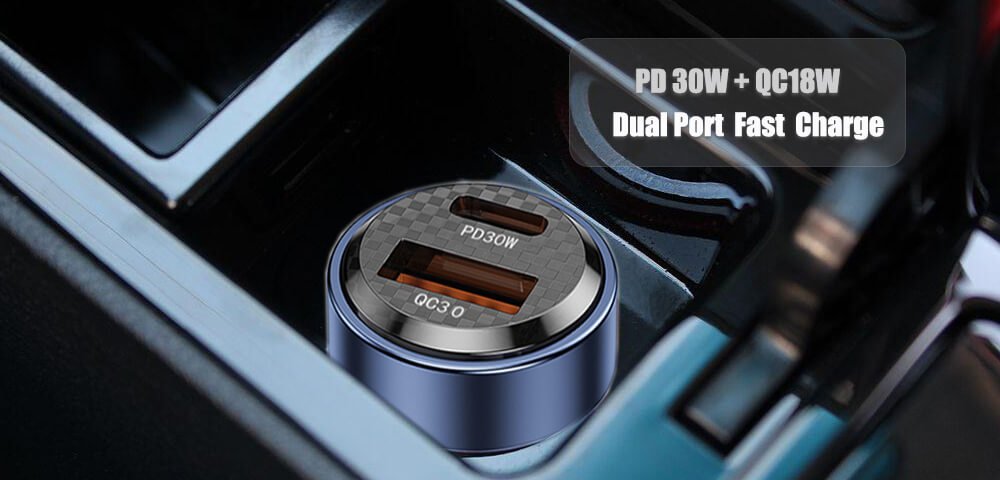
PD 30W car charger wholesale

1. Travel Charggers Wholesale

Travel chargers are in high demand due to their portability and compatibility with international voltage standards. When sourcing:  
– Ensure certifications like CE, FCC, and UL for safety.  
– Prioritize compact designs with USB-C and fast-charging capabilities.  
– Suppliers like Lider Mobile Accessories often offer multi-device chargers with interchangeable plugs for global markets.

2. Car Charggers Wholesale

Car chargers must balance durability and performance. Key considerations:  
– Look for products with built-in surge protection and heat resistance.  
– Opt for dual-port designs (USB-A and USB-C) to cater to diverse devices.  
– Verify compatibility with vehicle power outlets (12V/24V).  

3. Data Cables Wholesale

Data cables are a staple accessory. Focus on:  
– Durability: Nylon-braided cables last longer than rubber-coated ones.  
– Speed: USB 3.0 and USB-C cables support faster data transfer and charging.  
– Certification: MFi (Made for iPhone) certification is essential for Apple-compatible cables.  

Step 3: Negotiate Terms and Pricing

Asian suppliers often expect negotiation, especially for large orders. Strategies include:  
– Bulk Discounts: Lower per-unit costs by increasing order volumes. For example, ordering 10,000 data cables wholesale instead of 1,000.
– Payment Terms: Offer a 30% deposit with the balance paid after inspection. Avoid 100% upfront payments.  
– MOQ Flexibility: Start with smaller trial orders to test quality before committing to large volumes.
Case Study: A U.S.-based retailer partnered with Lider Mobile Accessories to source 5,000 travel chargers wholesale. By negotiating a 15% discount for a 12-month contract, they secured a competitive edge in their local market.  

Step 4: Navigate Logistics and Customs

Shipping and import regulations can complicate international purchases. Follow these steps:

1. Choose Shipping Methods

– Sea Freight: Cost-effective for large shipments (e.g., 10,000+ units of car chargers wholesale).  
– Air Freight: Faster but pricier; ideal for urgent orders.  
– DDP (Delivered Duty Paid): Let suppliers handle customs clearance for hassle-free delivery.

2. Understand Import Duties

Research your country’s tariff codes for mobile phone accessories. For instance, the U.S. imposes a 3.9% duty on USB cables under HTS code 8544.42.2000.

3. Prepare Documentation

Ensure invoices, packing lists, and certificates of origin are accurate to avoid customs delays.

Step 5: Build Long-Term Partnerships

Consistency is key to successful wholesale relationships. Maintain trust by:  
– Communicating clearly and respecting cultural differences.  
– Providing feedback on product quality.  
– Exploring collaborative opportunities for new product development.  

Pitfalls to Avoid

1. Ignoring Quality Control  

 Always request samples and conduct third-party inspections. A batch of faulty data cables wholesale can damage your brand reputation.

2.Overlooking Compliance

Non-compliant products (e.g., lacking safety certifications) risk being seized at customs.

3. Rushing Negotiations

Take time to vet suppliers. Rushed deals with unverified partners often lead to scams.

Why Choose Lider Mobile Accessories?

Lider Mobile Accessories exemplifies the advantages of sourcing from Asia. As a leading Guangzhou-based supplier, they offer:  
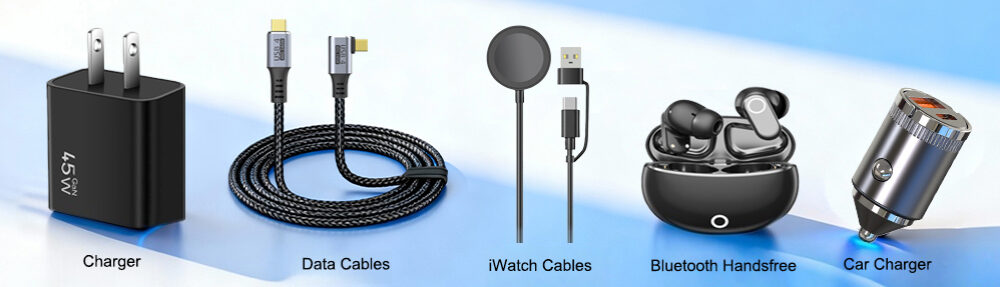
– A vast catalog of phone accessories wholesale, including travel chargers, car chargers, and data cables.  
– Competitive MOQs (e.g., 500 units for customized orders).  
– Compliance with international standards and 24/7 customer support.  

Conclusion

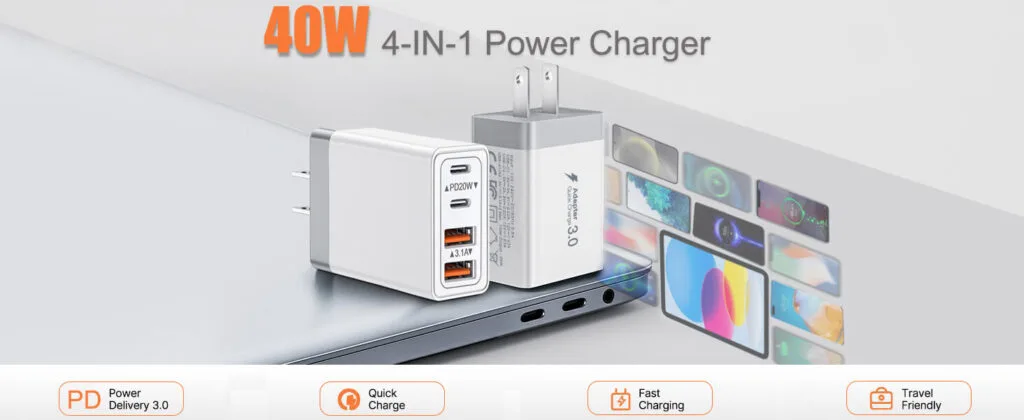
4IN1 QC PD Power adapter  - Mobile Phone Accessories Wholesale

Sourcing mobile phone accessories from Asia requires meticulous planning, but the rewards—cost savings, product diversity, and scalability—are immense. By leveraging platforms like Alibaba, attending trade shows, and partnering with reputable suppliers like Lider Mobile Accessories, businesses can secure high-quality travel chargers wholesale, car chargers wholesale, and data cables wholesale to meet growing consumer demand. Prioritize due diligence, foster strong supplier relationships, and stay informed about market trends to thrive in this competitive industry.  

With this guide, you’re now equipped to navigate the complexities of Asian procurement and build a profitable mobile accessories business. Happy sourcing!