The Ultimate Guide to Buying the Best Travel Charger for Phones and Laptops in 2026

Gan Travel Chargers

Gan Travel Chargers

Introduction: Why Your Old Travel Charger Isn’t Cut Out for Travel

Picture this: You’re in a crowded airport during a layover, your laptop battery is at 5%, and your phone isn’t far behind. You scramble for an outlet, only to find you’ve packed a tangle of slow, bulky travel chargers that take forever to power one device, let alone all of them. This modern travel nightmare is entirely avoidable.

The right travel charger is no longer a luxury; it’s a necessity. It’s the command center for your digital life on the road, capable of juicing up your smartphone, laptop, tablet, and headphones simultaneously, quickly, and safely—all from a single, compact device that fits in your pocket.

This comprehensive guide will walk you through everything you need to know to invest in a perfect travel charger for your needs, covering key specs, crucial features, and top recommendations to ensure you never face a dead device again.

Chapter 1: Understanding the Core Specifications of Travel Charger

Before you buy, you need to speak the language. These technical terms define a charger’s capability.

1. Wattage (W): The Powerhouse Metric

Wattage is the most critical factor determining charging speed. Simply put, higher wattage = faster charging, but only if your device can handle it.

  • Phones (iOS & Android): Most modern smartphones support fast charging between 20W and 45W. A 20W charger will fill an iPhone much faster than the old 5W brick.

  • Tablets: Typically require 30W to 45W for optimal charging.

  • Laptops: This is where power needs jump. Most modern ultrabooks (MacBook Air, Dell XPS 13) need at least 45W-65W. Larger notebooks and gaming laptops may require 100W or more.

Pro Tip: For a future-proof charger that can handle a laptop and other devices, aim for a minimum of 65W. If you’re a power user with a high-performance laptop, look for 100W+.

2. USB Power Delivery (PD): The Universal Fast-Charging Standard

USB Power Delivery (USB-PD) is a universal fast-charging protocol that allows for higher power transfer over USB-C connections. It’s what enables a small charger to power a large laptop.

  • Why it matters: USB-PD is the standard for modern MacBooks, Windows ultrabooks, iPads, and high-end Android phones. If your charger and device both support USB-PD, they will negotiate the fastest possible charging speed.

  • Look for it: Ensure any charger you buy prominently features “USB Power Delivery” support.

3. Ports: Quantity and Type

The number and type of ports determine how many devices you can charge at once.

  • USB-C Ports: These are essential. Look for chargers with multiple USB-C ports, as they are used for high-speed data transfer and high-wattage charging. This is where your laptop will plug in.

  • USB-A Ports: While older, these are still useful for charging older devices like Bluetooth headphones, some fitness trackers, or for using older cables. A good travel charger should have at least one.

Aim for a charger with 2-3 ports minimum (e.g., 2x USB-C + 1x USB-A) to avoid carrying multiple chargers.

Chapter 2: Must-Have Features for the Modern Traveler

Beyond the basic specs, these features separate good chargers from great ones.

1. GaN Technology: Smaller, Cooler, and More Efficient

Gallium Nitride (GaN) is a revolutionary semiconductor material that has transformed charger design.

  • Smaller Size: GaN chargers are significantly smaller and lighter than traditional silicon-based chargers with the same power output. This is a game-changer for travel.

  • Greater Efficiency: They waste less energy as heat, meaning they run cooler and are often more reliable.

  • The Verdict: In 2025, always choose a GaN charger. The price difference is minimal, and the benefits for a traveler are enormous.

2. Compact and Foldable Design

A travel charger should be, above all, travel-friendly. A foldable plug (like those from Anker or Ugreen) is a brilliant feature that protects your bag and other items from getting scratched. Compactness ensures it doesn’t block adjacent outlets in crowded airport charging stations.

3. PPS Support: The Smart Charging Protocol

PPS (Programmable Power Supply) is an advanced protocol within the USB-PD 3.0 standard. It allows for minute adjustments in voltage, which increases efficiency and reduces heat generation. This is particularly important for Samsung Galaxy smartphones (like the S-series), which use PPS for their super-fast charging (45W). If you’re an Android user, look for PPS support.

4. International Compatibility (Voltage & Plug Adapters)

A true travel charger must work anywhere.

  • Input Voltage: Ensure it supports 100-240V input voltage. This is standard for most quality chargers and means it will work seamlessly with any voltage from the U.S. to Europe to Asia without a bulky separate voltage converter.

  • Interchangeable Plugs: Some advanced travel chargers (like the Zendure Passport) come with built-in, swappable plugs for US, EU, UK, and AUS outlets. This is incredibly convenient, eliminating the need for separate plug adapters.

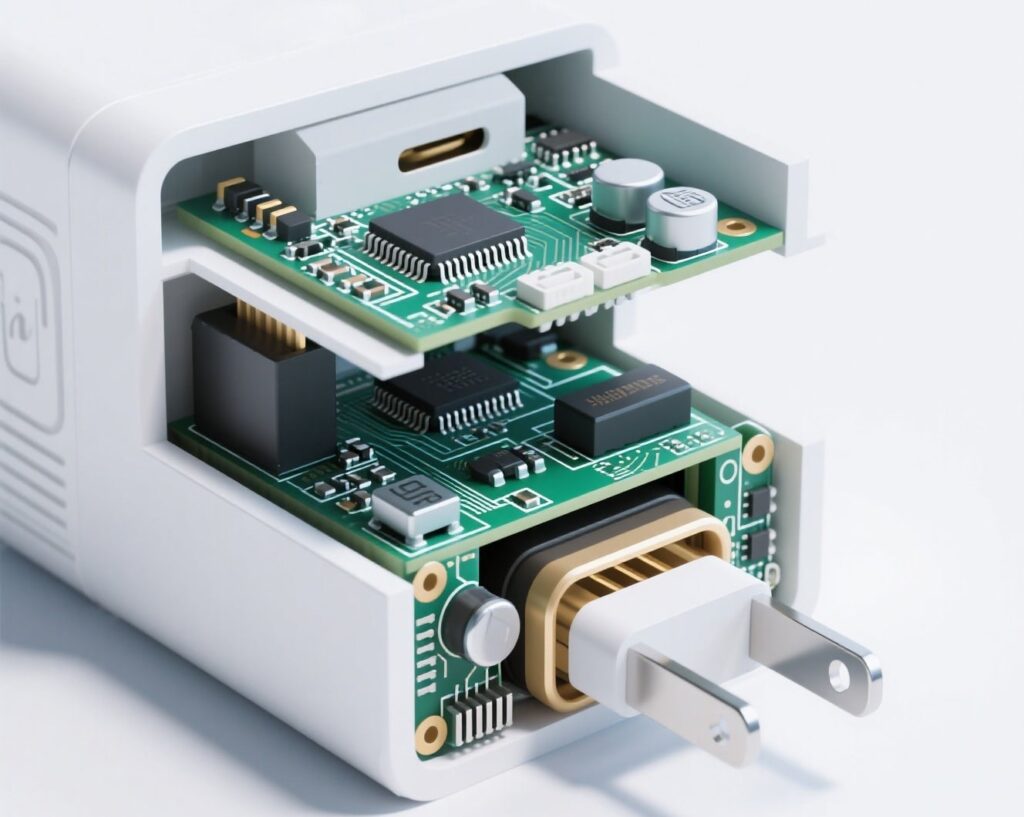
Compact GaN Tech charger

Compact GaN Tech charger

Chapter 3: Safety and Reliability: Don’t Cut Corners

A cheap, uncertified charger can fry your $2,000 laptop. Never compromise on safety.

  • Certifications: Look for safety certifications like UL (Underwriters Laboratories), ETL, CE or other?. These indicate the product has been tested and meets specific safety standards.

  • Protections: Quality chargers include built-in protections against:
  • Overheating
  • Overcurrent
  • Overvoltage
  • Short circuits
  • Brand Reputation: Stick with reputable brands known for quality and customer service, such as Anker, Spigen, Satechi, Trunker, and Belkin. Their products may cost slightly more but offer peace of mind.

Chapter 4: Top Travel Charger Recommendations for 2025

Here are some top-tier options categorized by use case:

Product Example Wattage Key Features Best For
Anker 735 Charger (GaNPrime 65W) 65W 3 ports (2xC, 1xA), GaN II tech, compact foldable plug The all-rounder: perfect for a MacBook Air/Pro and two other devices.
Ugreen Nexode 100W Charger 100W 3 ports (2xC, 1xA), GaN tech, PPS support, foldable plug Power users with a high-wattage laptop who need to charge multiple devices fast.
Zendure Passport III 65W 2 ports (1xC, 1xA), Built-in int’l plugs (US/EU/UK/AUS), GaN The frequent international flyer who wants an all-in-one solution.
Anker 313 Charger (PowerPort III 20W) 20W Single USB-C port, incredibly compact and affordable The minimalist traveler who only needs to fast-charge a phone.
Lider Travel Charger

Lider Travel Charger

Chapter 5: Putting It All Together: Your Buying Checklist

Before you click “buy,” run through this checklist:

  1. ✅ Wattage: Does it have enough power for my laptop (at least 65W) and devices?

  2. ✅ USB-PD: Does it support USB Power Delivery for fast laptop charging?

  3. ✅ Ports: Does it have enough ports (USB-C and USB-A) for all my gear?

  4. ✅ GaN: Is it made with GaN technology for a smaller size?

  5. ✅ Design: Is it compact with a foldable plug?

  6. ✅ Safety: Does it have necessary certifications (UL, ETL, CE or other)?

  7. ✅ Compatibility: Does it support 100-240V for international travel?

  8. ✅ Reviews: Have I checked verified customer reviews for real-world performance?
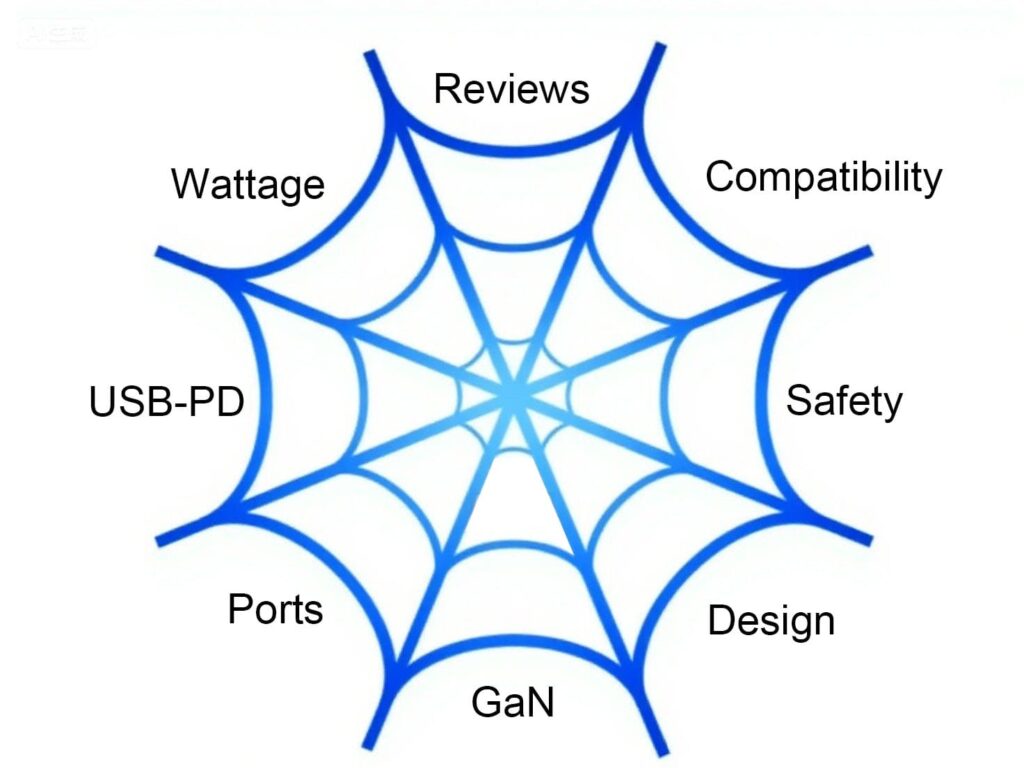
More to check

More to check

Conclusion: Invest in Your Connectivity

Your travel charger is the unsung hero of your go-bag. Choosing the right one—a powerful, compact, safe, and versatile GaN charger with multiple ports—will transform your travel experience. It declutters your bag, reduces your stress, and, most importantly, keeps you connected to the world, your work, and your loved ones, no matter where your journey takes you.

Ditch the bundle of old chargers and make the upgrade. Your future self, calmly working on a fully charged laptop while everyone else scrambles for an outlet, will thank you.

Ready to find your perfect travel charger? Use the guide and checklist above to compare top-rated models on Amazon or your favorite electronics retailer today!
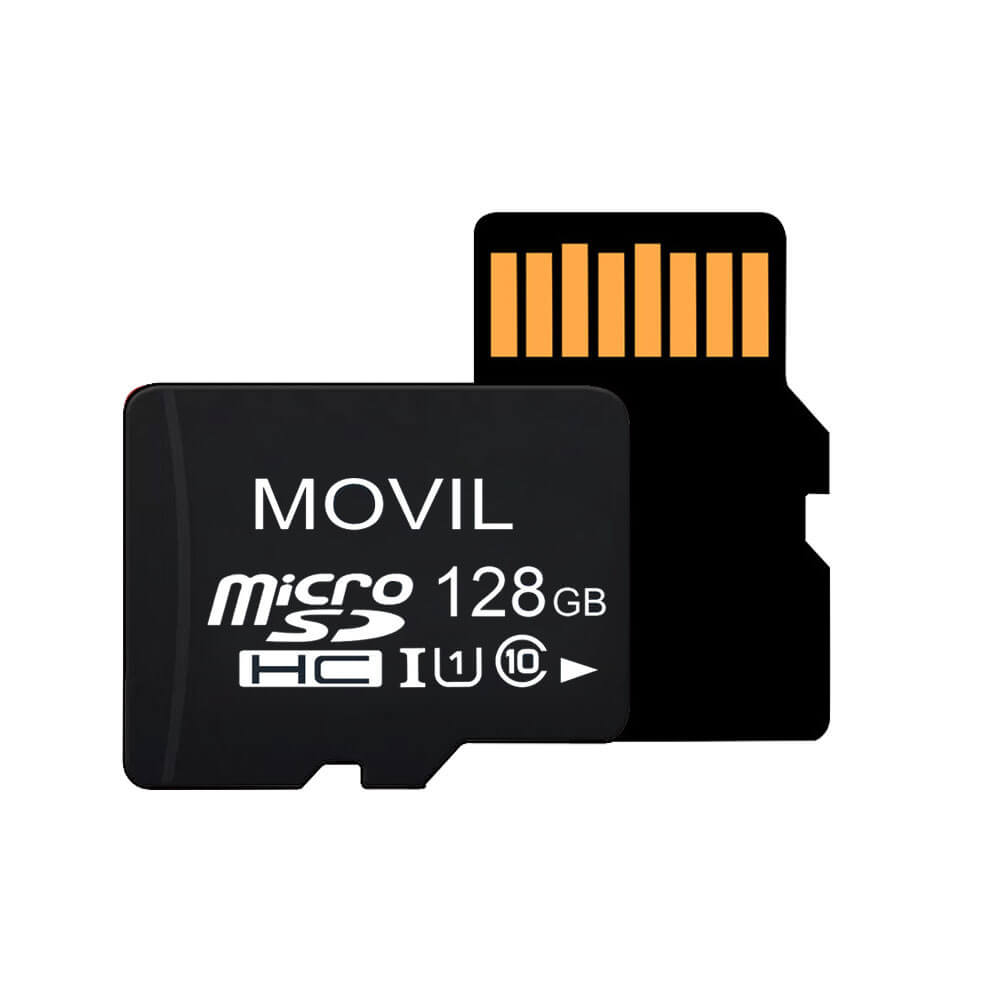
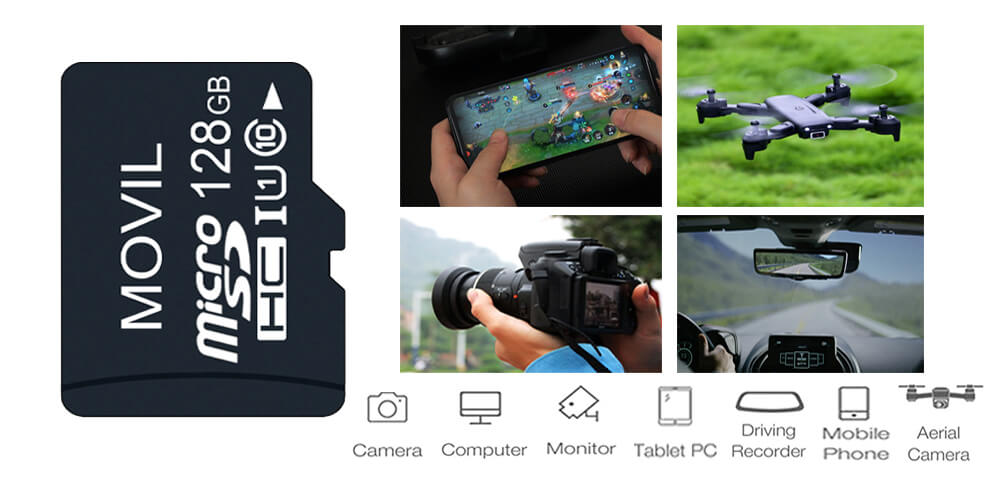
Research Report: MicroSD and TF Cards Wholesale Market Analysis

Executive MicroSD and TF cards Summary

The global MicroSD (Micro Secure Digital) and TF (TransFlash) cards wholesale market has experienced significant growth over the past decade, driven by escalating demand for portable storage solutions across consumer electronics, automotive, surveillance, and industrial sectors. This report provides a comprehensive analysis of the wholesale ecosystem, including market size, key players, pricing trends, supply chain dynamics, and emerging opportunities. With a focus on bulk procurement strategies, manufacturing hubs (notably China), and evolving technological standards, this study equips wholesalers, distributors, and OEMs with actionable insights to optimize their market positioning.

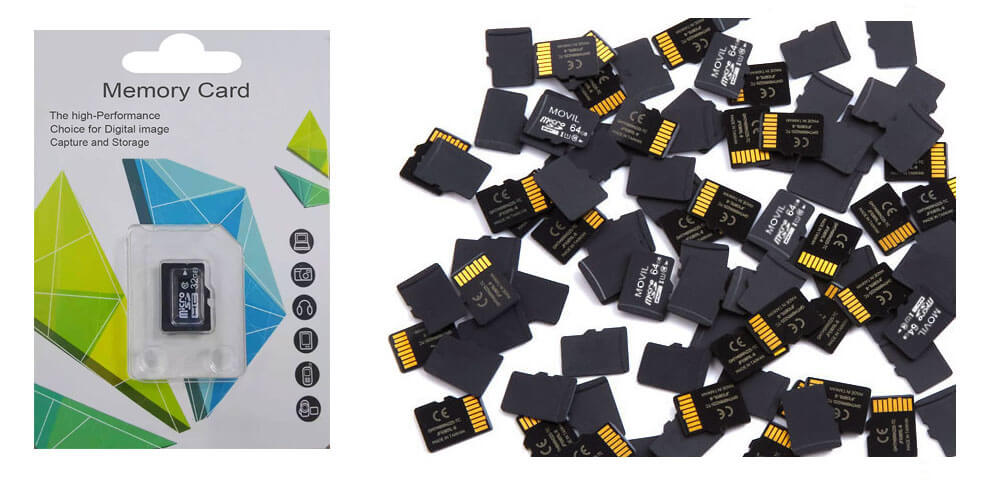
MicroSD TF Cards wholesale

MicroSD TF Cards wholesale


1. Introduction

1.1 Definition and Scope

  • MicroSD vs. TF Cards: Clarifying terminology (TF cards, introduced by SanDisk in 2004, were later rebranded as MicroSD under the SD Association’s standardization).
  • Applications: Smartphones, dashcams, drones, IoT devices, gaming consoles (Nintendo Switch), and embedded systems.
  • Wholesale Market Segmentation: By capacity (32GB–1TB), speed class (UHS-I, UHS-II, A1/A2), end-use industry, and distribution channel (B2B platforms, trade shows, OEM contracts).

1.2 Objectives

  • Analyze pricing strategies for bulk purchases.
  • Evaluate the dominance of Chinese manufacturers in global supply chains.
  • Forecast demand trends linked to 4K video, 5G, and AI-driven devices.

2. Global Market Overview

2.1 MicroSD and TF cards Market Size and Growth (2023–2030)

  • 2023 Valuation: $5.2 billion (MicroSD/TF cards wholesale), CAGR of 8.7% (2024–2030).
  • Demand Drivers:
    • Proliferation of high-resolution cameras (dashcams, bodycams).
    • Expansion of budget smartphone markets (Africa, Southeast Asia).
    • Automotive infotainment and telematics systems.

2.2 Regional Analysis

  • Asia-Pacific (45% market share): China dominates manufacturing (70% of global output), with hubs in Shenzhen, Shanghai, and Hong Kong. Key buyers: Indian and Vietnamese OEMs.
  • North America (25%): High demand for UHS-II cards (4K surveillance, gaming). Major wholesalers: Ingram Micro, Synnex.
  • Europe (20%): Strict compliance with RoHS/CE standards; growth in industrial IoT applications.
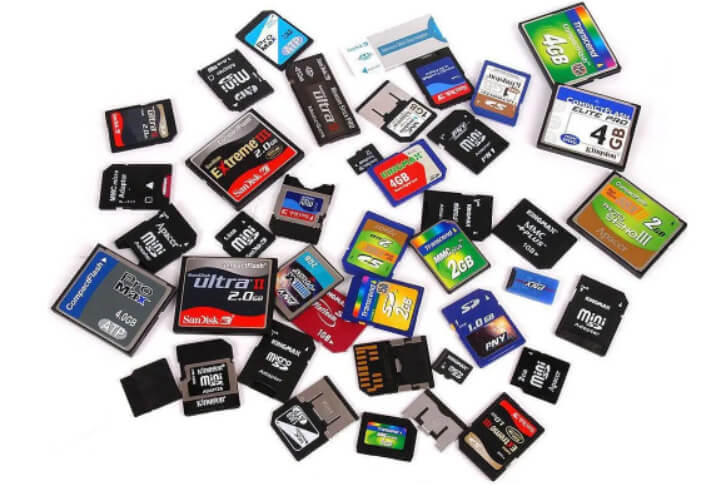
Memory Cards MicroSD TF wholesale China

Memory Cards MicroSD TF wholesale China


3. Supply Chain and Manufacturing Landscape

3.1 Key Players in Wholesale

  • Tier 1 Manufacturers: Samsung, SanDisk (Western Digital), Kingston, Lexar (Longsys), Toshiba Kioxia.
  • Chinese OEM/ODM Suppliers: Netac, TECLAST, PNY Technologies (Shenzhen-based factories), providing low-MOQ (500–1,000 units) customization.
  • Distributors: Amazon Business, Alibaba B2B, DHgate, specialized electronics wholesalers.

3.2 Cost Structure Analysis

  • Components: NAND flash memory (60% of cost), controllers, packaging.
  • Wholesale Pricing:
    • 32GB Class 10: $1.20–$1.80/unit (MOQ 10,000).
    • 256GB UHS-I A1: $8.50–$12.00/unit (MOQ 5,000).
    • Premium 1TB UHS-II: $85–$120/unit (MOQ 1,000).

3.3 Quality and Compliance Challenges

  • Counterfeit Mitigation: RFID tagging, holographic packaging, and blockchain-based verification (e.g., Kingston’s anti-fraud system).
  • Certifications: SD Association compliance, waterproof/dustproof (IP68), extreme temperature resilience (-25°C to 85°C).

4. Wholesale Procurement Strategies

4.1 Sourcing Models

  • Direct Factory Contracts: Negotiating with Chinese ODMs for branded/white-label production.
  • B2B Marketplaces: Alibaba.com, Made-in-China.com (average 15–30% lower pricing vs. Western distributors).
  • Trade Shows: Canton Fair, CES (Las Vegas), and IFA Berlin for networking with Tier 2 suppliers.

4.2 Logistics and Inventory Management

  • Shipping: Air freight for urgent orders (3–5 days) vs. sea freight (30–45 days) for cost-sensitive bulk.
  • Tariffs: US Section 301 tariffs (25% on Chinese imports) incentivizing Southeast Asian diversification (e.g., Thai/Vietnamese assembly).

5. Emerging Trends and Opportunities

5.1 High-Performance Storage Demands

  • 4K/8K Video: UHS-II/UHS-III cards with V60/V90 speed classes (min. 60MB/s–90MB/s write speeds).
  • A2 App Performance: Random read/write speeds for Android apps (e.g., GoPro’s recommended specs).

5.2 Niche Markets

  • Automotive: MIL-STD-810G-certified cards for dashcams (Tesla, Bosch partnerships).
  • Industrial IoT: SLC NAND cards for write-intensive applications (10+ year endurance).

5.3 Sustainability Initiatives

  • Recycled Materials: Bio-based plastics in packaging (SanDisk’s EcoLine series).
  • Refurbished Cards: Wholesale markets for recertified industrial-grade cards.

6. Risk Analysis

  • Price Volatility: NAND flash oversupply (2023–2024) leading to 20% price drops.
  • Geopolitical Risks: US-China tech decoupling impacting semiconductor supply chains.
  • Technological Disruption: Cloud storage adoption vs. edge storage needs.

7. Future Outlook (2025–2030)

  • AI-Driven Forecasting: Dynamic pricing algorithms for wholesalers.
  • Advanced Packaging: 3D NAND stacking for 2TB+ MicroSD cards.
  • 5G Synergy: Real-time data caching in smart cities/autonomous vehicles.

MicroSD TF cards Chinese manufacturers

MicroSD TF cards Chinese manufacturers

8. Conclusion

The MicroSD/TF memory cards wholesale market remains a high-growth, competitive arena shaped by innovation and cost-efficiency. Wholesalers must prioritize partnerships with compliant Chinese Memory Cards manufacturers, adopt agile procurement models, and align inventory with emerging tech trends (UHS-II, A2, industrial IoT). By leveraging data-driven logistics and diversification strategies, stakeholders can capitalize on the $8.3 billion market opportunity projected by 2030.


Appendices

  • Appendix A: Top 20 MicroSD/TF Card Manufacturers in China (2024)
  • Appendix B: Sample Wholesale Price List (MOQ Tiers)
  • Appendix C: Compliance Checklist (CE, FCC, RoHS)

Select your Best Memory Card – Understand the Words and Symbols as a Pro

Memory Cards

Memory Card plays a very important role in our digital life. There are many words or symbols on the cards no matter SD cards or MicroSD TF cards. What are they? And what does they means? Let us check the memory card words and symbols today. 

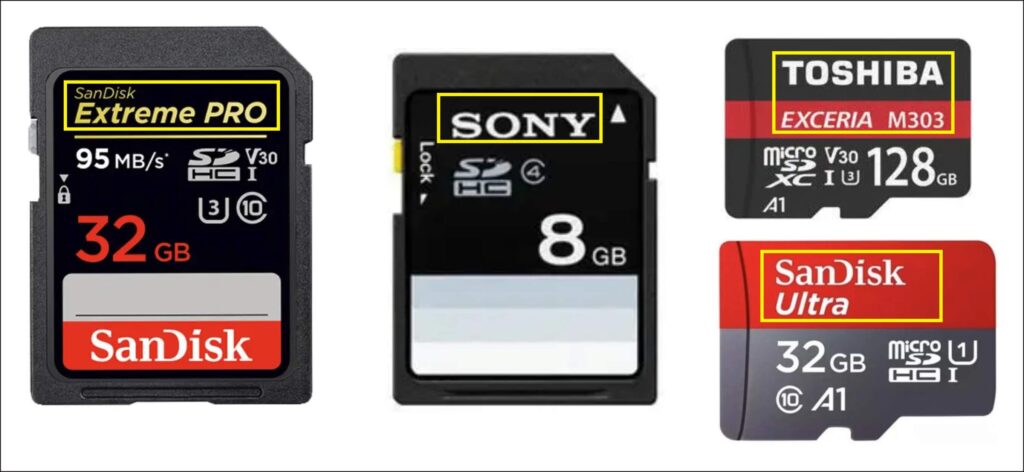
1. Brand name and product code

Memory Card SD Micro SD TF

Easy to see the brand name holder or manufacturer. Some will put the item# or product ID, too. 

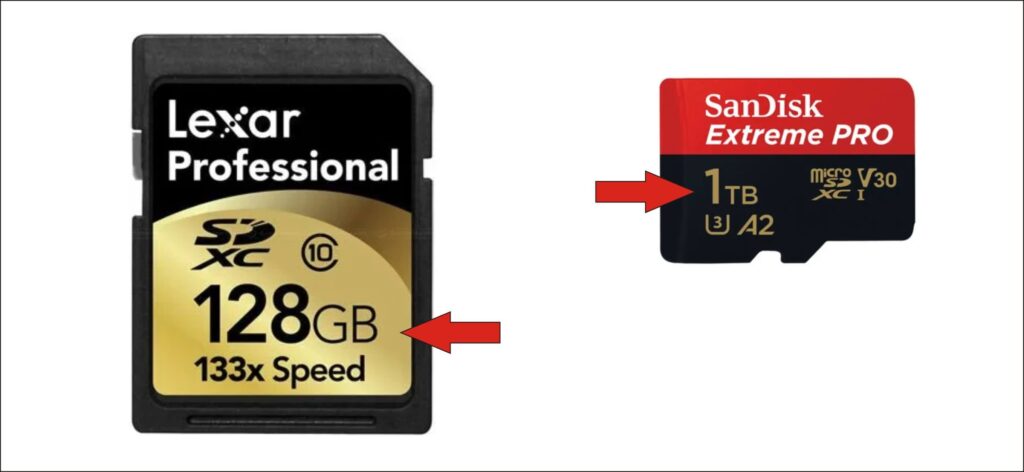
2. Memory Card Capacity

Memory Card Capacity

It is the first thing many people will check before buying a memory card. And it is also easy to read and know the difference. 

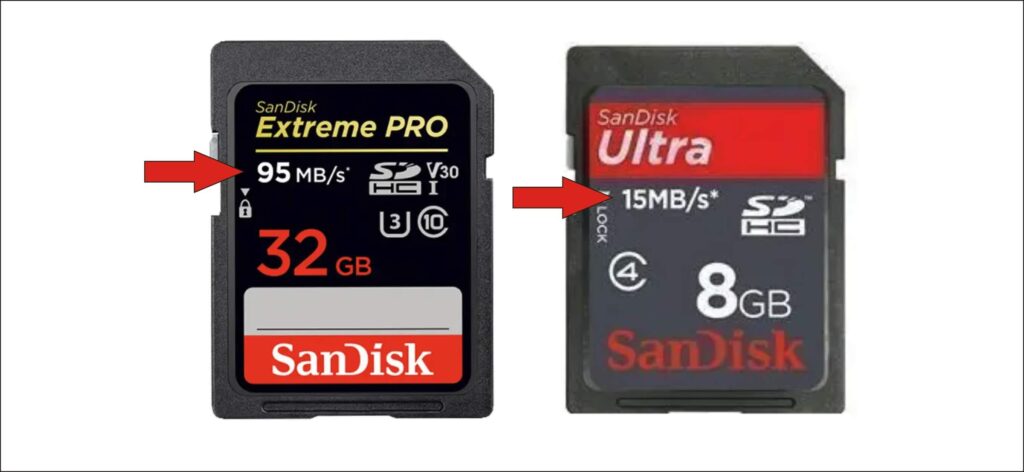
3. Speed XX MB/S on Memory Card

Memory Card Speed

We know that XX MB/S indicate the speed. But we should attention that the speed marked here is the max read speed. Yes, Max Speed Read. It cannot keep the same maximum speed as always. It will be high or low with a peak read speed as said on the card. 

Actually the write speed is even more important than the read speed for videos. So does the capacity. 

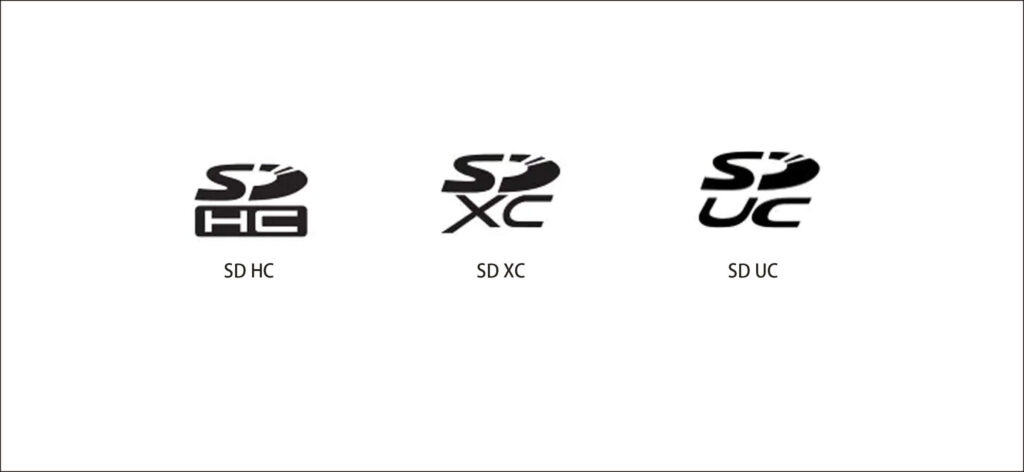
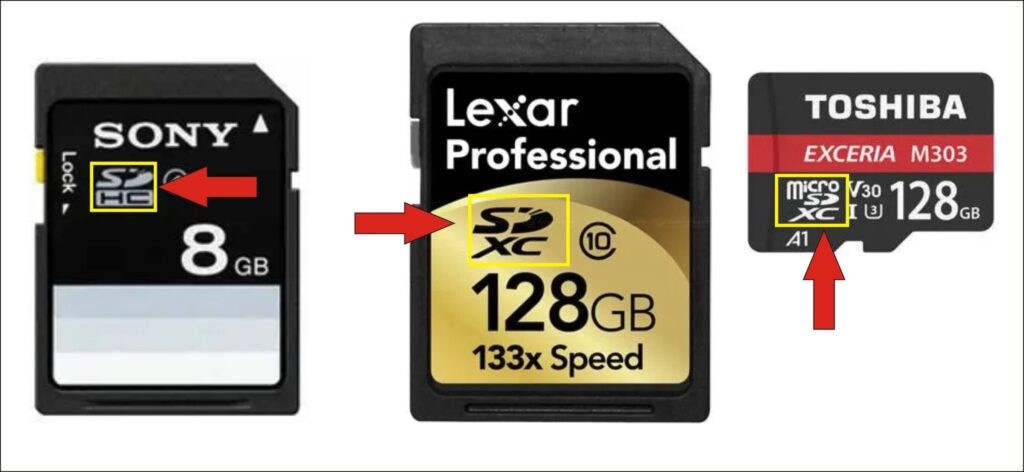
4. SD, SD-HC, SD-XC and SD-UC

SD TF HC XC
Micro SD TF Card HC XC symbol

We could not get so many SD cards in our daily life now. An SD card is with a max storage of 2GB. That isn’t a good choice for our big data times. But we could see the same size SD cards marked with SD-HC and SD-XC. 

SD-HC is SD High Capacity. It is a high capacity with max 32GB. 

But that is not enough. So there goes SD-XC. It is SD EXTENDED Capacity. It is with a Max 2T capacity and a speed 300M/S. 

It is the same if I buy 32GB SD card SD-HC and 32GB SD card HD-HC for videos? What is your idea? 

The answer is, NO. They are not the same for camera video record. SD card SD-HC is with FAT32 file system. The video files will be divided into 2 files if it is 4GB or more. SD-XC is with exFAT file system. It is only one video file. That is convenient in videos editing. 

SD-UC, it is said that this SD card can reach 128T Max capacity. 


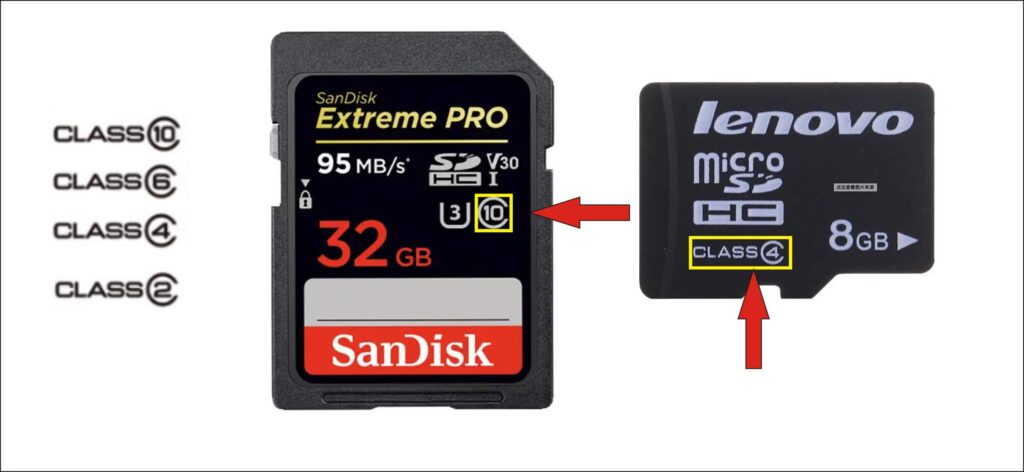
5. Memory Card Speed Class

Micro SD C2 C4 C6 C10 Speed

We can see C2 C4 C6 C10 on cards. This shows the speed class write to the card. 

C10 means the Minimum Sequential Write Speed is 10M/S. 

Blow is the Speed Class with the the Speed Write for your reference. 

Speed Class
Speed Write
Remark

Class0

No details

Under C2, or no details

Class2

2M/S

Photos

Class4

4M/S

HDTV, Photos

Class6

6M/S

Cameras, Videos

Class10

10M/S

HD, Full HD videos

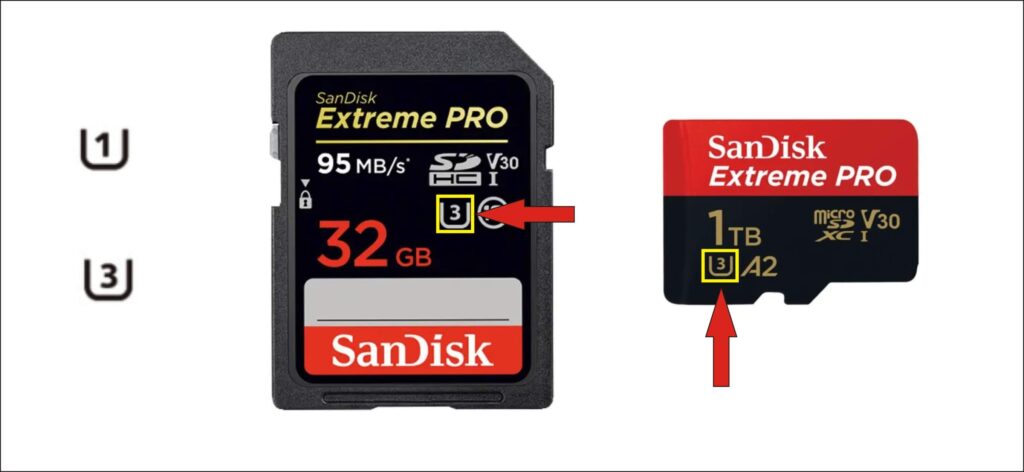
6. Memory Card Symbol U1 U3

Micro SD TF speed U1 U3

U1 = speed write ≥ 10M/S, Good for HD Full HD videos.

U3 = speed write  30M/S, Good for 2K 4K video record.

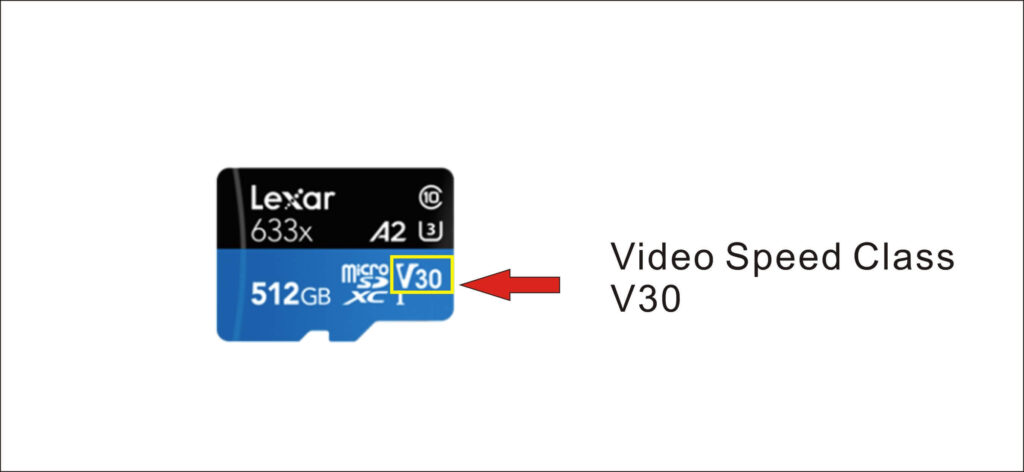
7. Memory Card Speed V30 V60 V90

MicroSD TF card Speed Wite

V-X is also for speed. This is the video record speed standard. V30 means minimum 30M/S speed write speed.This V-series data is very important for video recorders. 

V level speed
Speed Write
Videos

V90

90M/S

8K video record

V60

60M/S

4K video record

V30

30M/S

Full HD 1080+, 4K video

V10

10M/S

HD Videos, 1080P

V6

6M/S

HD videos

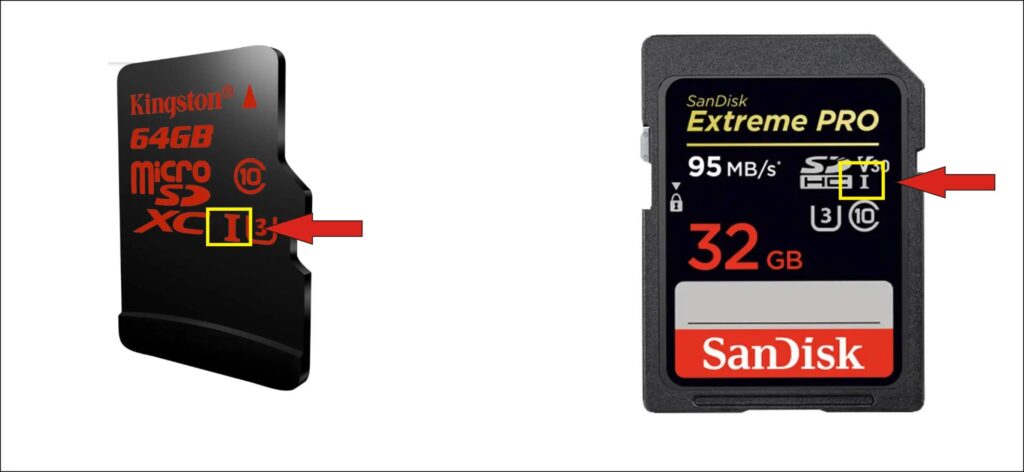
8. Memory Card Speed I, II and III

MicroSD TF SD Card I

These numbers will show up with V-series number. There are 3 different numbers for memory cards as I,II and III.

I is for UHS-1, Ultra High Speed Class 1.

V60, V90 meets the standard II and III. While V10 V30 is under standard I.

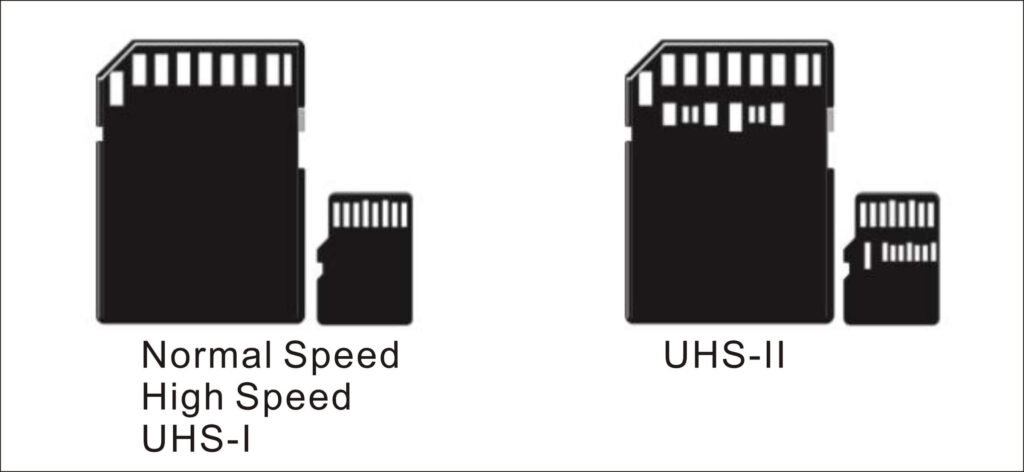
There is also a visual diffrence for these. You can see the contacts for reference.

Memory Card Micro SD TF UHS I II

USH-1 is with a max speed ≤ 104M/S, USH-2 ≤ 312M/S, USH-3 ≤ 624M/S.

There is no I, II or III on the card. What is speed? It is 25M/S Max. 

9. Micro SD TF A1 and A2

MicroSD TF Card A2

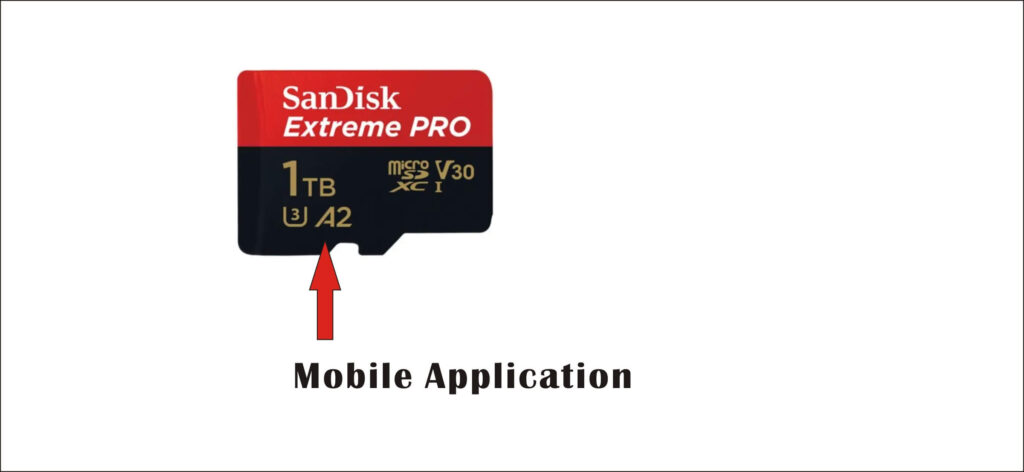
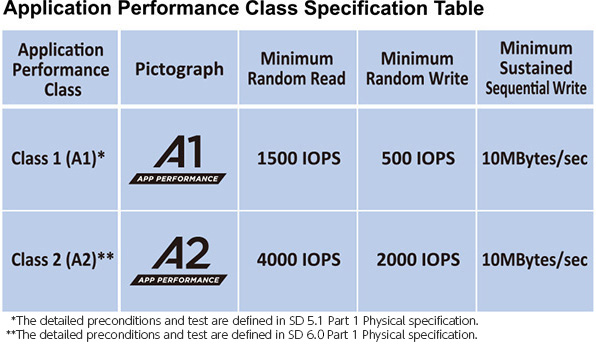
MicroSD cards mark with A2-class. This means that the Micro SD card meet the particular standard for smart phones that need additional storage space for applications. Both of APP Performance A1(A1) and APP Performance A2(A2) are with minimum Sequential write speed 10M/S. Class A1 is with 1500 IOPS and 500 IOPS. Class A2 reaches 4000 IOPS and 2000 IOPS. A2 is much better for performance of smart phone Application.

Check details as below for Mobile Application Performance Speed

Application Performance Speed

If you think your friends or network would find this useful, please share it with them – I’d really appreciate it. 

All items shown here with various trademarks, brand names and logos are for reference purpose only. We do not own, manufacture or sell them. They are the property of their owners.