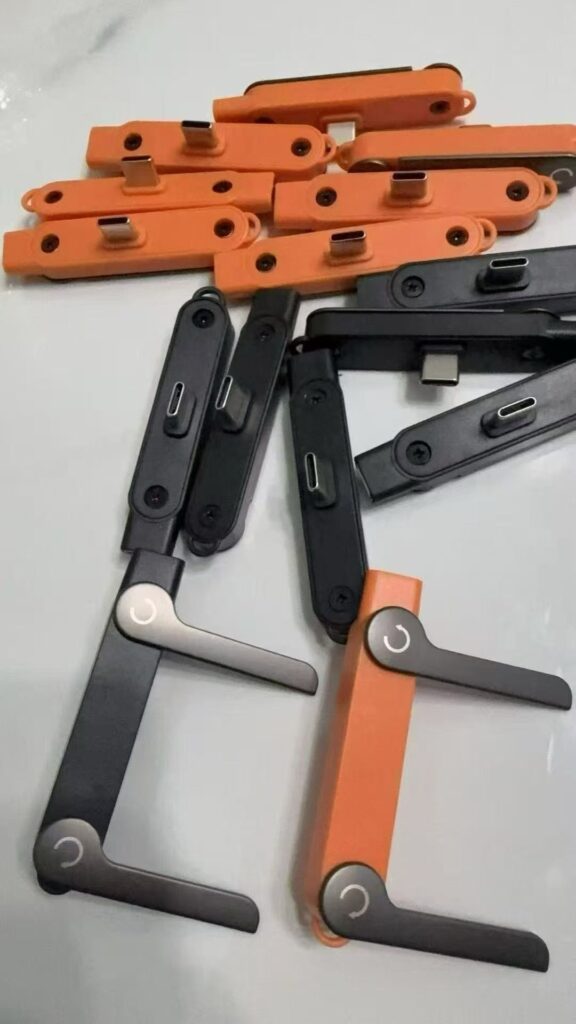
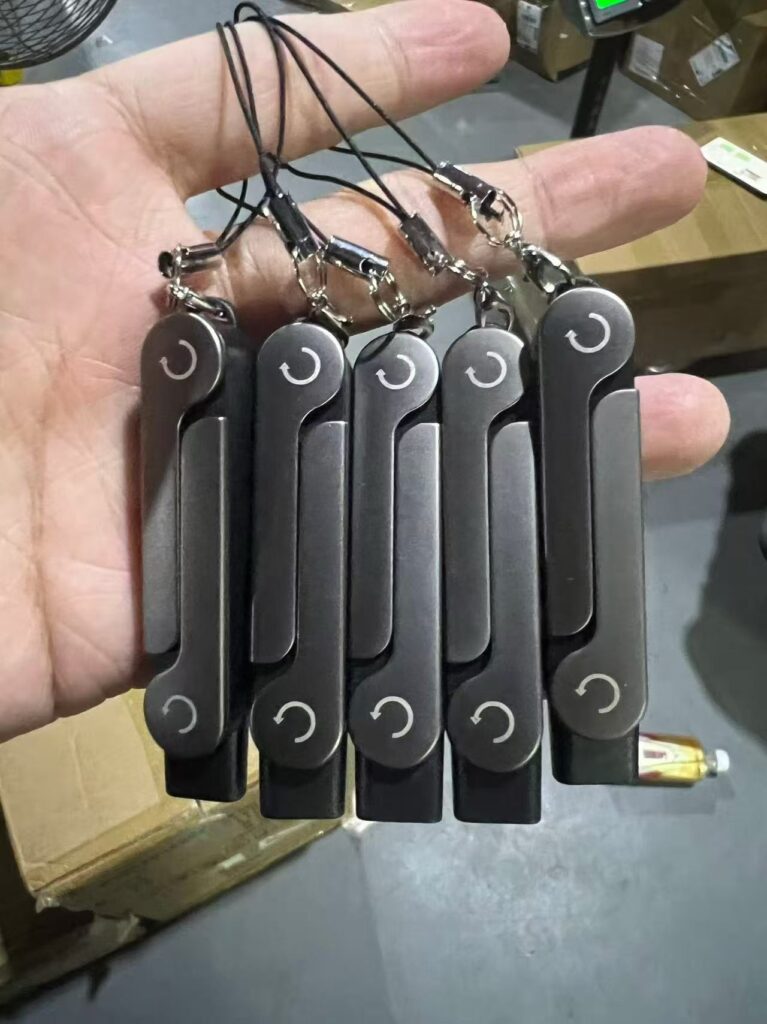
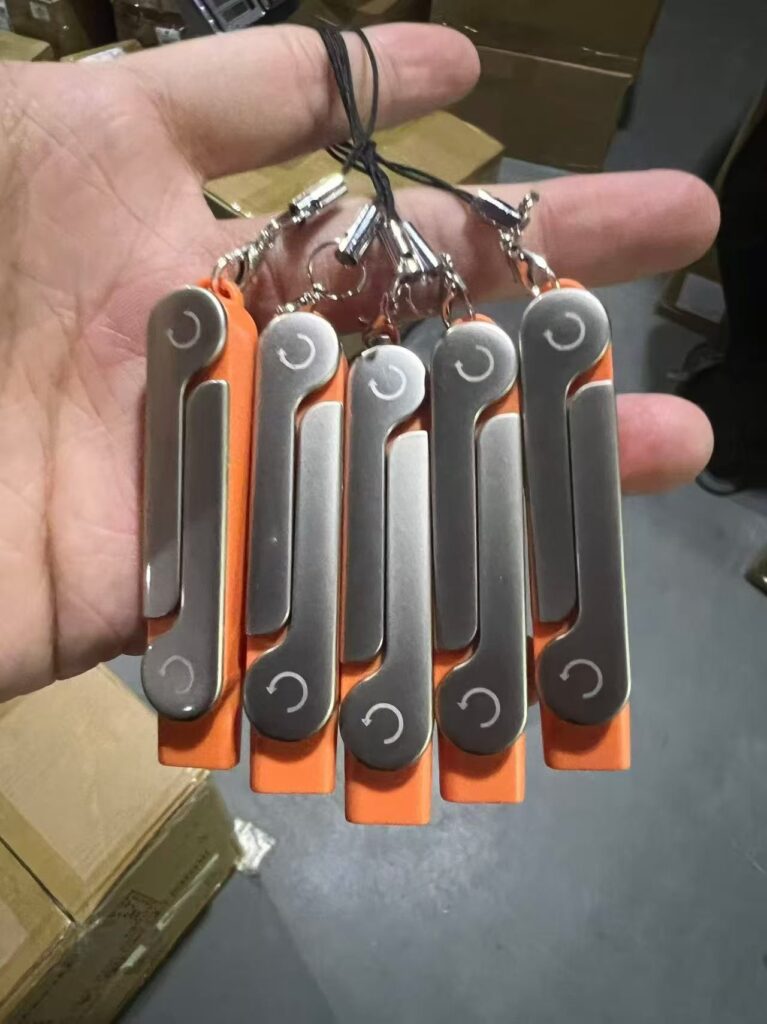
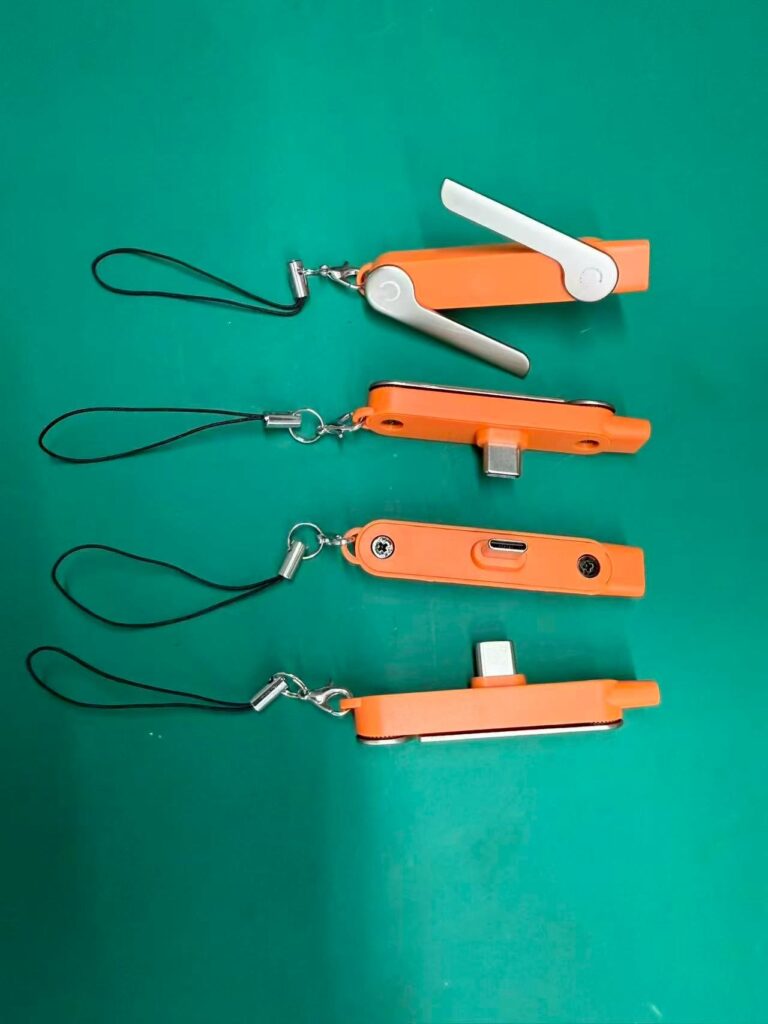
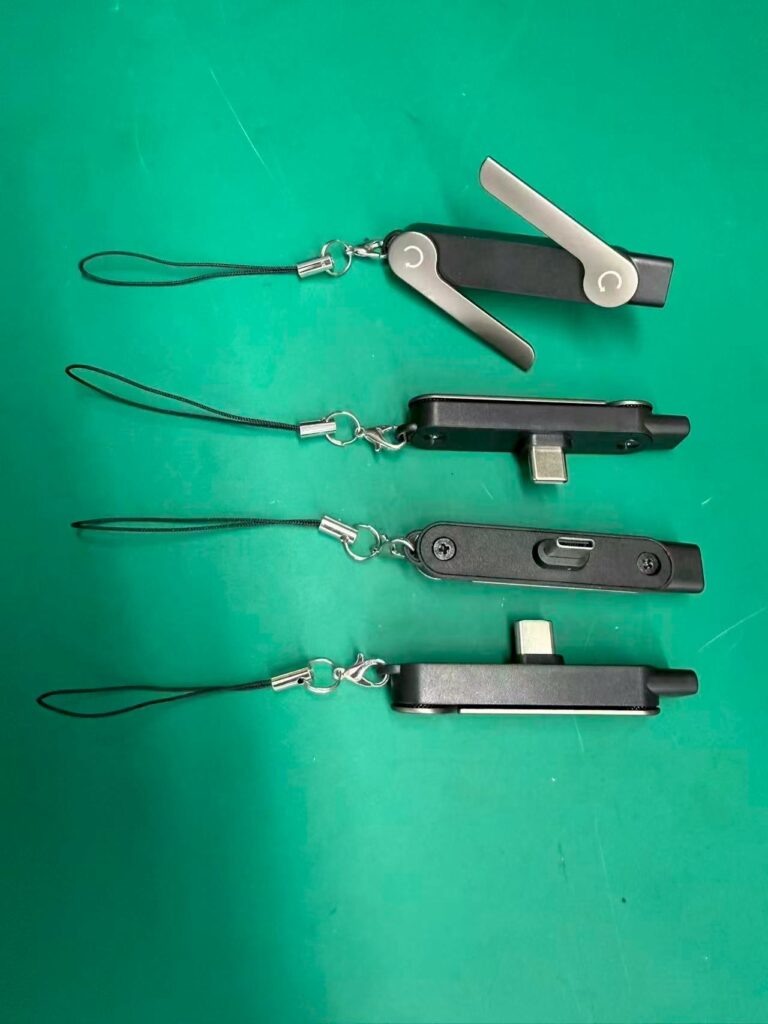
USB C to USB C Phone Holder 240W Fast Charging Invisible Stand Charging Holder Flat USB c USB c Right Angle

USB C to USB C Phone Holder 240W Fast Charging Invisible Stand Charging Holder

USB-C to C Phone Holder for gaming

USB-C to C Phone Holder for gaming

240W Fast Charging Invisible Stand Charging Holder

240W Fast Charging Invisible Stand Charging Holder

Flat USB-C to USB-C - Right Angle

Flat USB-C to USB-C – Right Angle

Mobile phone holder fast charging

Mobile phone holder fast charging

Gaming USB-C cables wholesale

Gaming USB-C cables wholesale

Yiwu Mobile Phone Accessories Wholesale Market: The World’s Sourcing Hub

Nestled in China’s Zhejiang province, the city of Yiwu has earned the moniker “The World’s Supermarket” for a compelling reason. It is home to the world’s largest wholesale market for small commodities, a staggering complex where buyers can source over 2.1 million types of goods . At the heart of this commercial powerhouse lies a thriving hub for the mobile phone accessories wholesale industry. For retailers, distributors, and entrepreneurs looking to source everything from basic USB cables and chargers to the latest power banks and Bluetooth headphones, the Yiwu market offers an unparalleled one-stop solution. This article serves as your definitive guide to navigating this immense marketplace, connecting with reliable suppliers, and leveraging its global supply chain to fuel your business growth.

Yiwu International Trade City: The World’s Supermarket

The core of Yiwu’s wholesale trade is the Yiwu International Trade City, a colossal marketplace that is virtually a city in itself like Guangzhou mobile accessories wholesale market or Shenzhen phone accessories market. To understand its scale, consider this: the market houses approximately 75,000 shops . If a visitor spent only three minutes at each booth, it would take an estimated year and a half to see everything, based on an 8-hour day . This vast network is divided into five distinct districts, each specializing in different product categories, making targeted sourcing efficient for international buyers.

The market’s influence is truly global, with goods flowing to and from over 230 countries and regions . What began as a simple “street market” over 40 years ago has transformed into a modern, digitized trading giant that is a critical node in the global economy . Its data and performance are even seen as a barometer for global trade trends.

A Deep Dive into Mobile Phone Accessories in Yiwu

For those in the mobile accessories trade, District 2 of the International Trade City is your primary destination. This zone is a concentrated ecosystem for electronics and telecommunications products.

Product Range and Key Suppliers

The variety of mobile phone accessories available in Yiwu is exhaustive. Walking through the aisles of District 2, you will find countless suppliers offering every conceivable accessory. Based on verified supplier listings, the main product categories include:

  • Charging Solutions: USB cables, travel chargers, car chargers, and wireless chargers.

  • Power Banks: A wide array of capacities and designs.

  • Audio Products: Wired earphones, Bluetooth headphones, and headsets.

  • Protection & Support: Phone cases, screen protectors, and mobile phone holders.

  • Other Accessories: Memory cards, selfie sticks, small fans, and直播 lights (live stream lights) .

To illustrate the market’s density, the table below lists a few examples of actual suppliers located within the International Trade City:

Supplier Name / BoothLocationSample Product Offerings
WELIKE / Booth 17971International Trade City, District 2Phone chargers, data cables, phone stands, Bluetooth earphones, power banks, hubs, memory cards.
Yiwu Xuanfeng Technology / Booth 17648International Trade City, District 2Earphones, data cables, speakers, plugs, power banks.
Five-Star Credentialed BoothsVarious Locations in District 2Telecommunications equipment and hardware (as part of a certified quality program).

Quality and Credibility: The Five-Star Booth System

A significant concern for any buyer is supplier reliability. Yiwu market has implemented a robust credential and star-rating system to help mitigate this risk. In a recent initiative, the market mutually recognized its first batch of 37 five-star booths with entities in Egypt and Dubai . This cross-regional recognition mechanism is designed to “significantly reduce institutional transaction costs for foreign trade practitioners,” providing buyers with a verified list of high-quality suppliers . While the specific product is not always listed, several of these top-rated booths are within District 2 and specialize in “Telecommunications Equipment” , making them excellent starting points for a sourcing trip.

Advantages of Sourcing from Yiwu Wholesale Market

Sourcing your mobile phone accessories wholesale from Yiwu provides several strategic advantages that are difficult to match.

  • Unbeatable Scale and Variety: The sheer concentration of suppliers in one location allows for efficient comparison of price, quality, and design. You can find every type of data cable, phone charger, and power bank imaginable, often allowing you to consolidate your sourcing from multiple vendors to a single logistics shipment.

  • Competitive Pricing: As a direct link to manufacturing hubs in China and a center for global export, Yiwu offers highly competitive factory-level pricing. The intense competition among thousands of vendors also works in the buyer’s favor.

  • Flexibility for Large and Small Orders: While many suppliers cater to large-volume orders, the rise of e-commerce has also made smaller batch ordering more accessible. The market has evolved to support businesses of all sizes.

  • Integration with Global Logistics: Yiwu is not just a market; it’s a integrated logistics hub. It is the starting point for the “Yixin’ou” railway, a China-Europe freight service that had already run over 2,000 trains by late 2022, providing a vital land-based supply chain link to Europe . Coupled with numerous international shipping options, getting your goods from the Yiwu showroom to your warehouse is a streamlined process.

Practical Tips for Buyers and Visitors

Navigating Yiwu for the first time can be overwhelming. Here are some key tips to ensure a successful trip:

  1. Prepare and Research: Before you go, use official market apps and websites like Yiwugoo to identify potential suppliers and map out your route . Having a plan is crucial due to the market’s immense size.

  2. Verify Suppliers: Look for signs of credibility. Check if the supplier has a physical booth in the market, possesses a business license, and holds any quality certifications or star ratings, like the five-star booths mentioned earlier .

  3. Communicate Clearly: Be specific about your product requirements, including specifications, quantities, and packaging. While language can be a barrier, many suppliers have staff who can manage basic English communication, and translation apps are invaluable.

  4. Build Relationships: Building a good relationship with a few reliable suppliers can lead to better prices, priority during high-demand periods, and more cooperative problem-solving.

The Future of Yiwu Market

Yiwu is far from static. It continues to evolve, embracing digital platforms and new models like cloud-based procurement (Cloud Sourcing), overseas warehouses, and overseas sub-markets to maintain its edge in global trade . The market is steadily moving from purely supporting “Made in China” to fostering “Created in China,” with an increasing number of vendors developing and selling their own branded products . This shift towards quality and innovation ensures that Yiwu will remain a relevant and critical sourcing destination for years to come.

Conclusion

The Yiwu Mobile Phone Accessories Wholesale Market is more than just a place to buy USB cables and chargers in bulk. It is a dynamic, global ecosystem that offers businesses unparalleled access to the heart of the supply chain. Its immense scale, competitive pricing, and ongoing innovation make it an indispensable resource for anyone serious about the mobile accessories industry. By doing thorough research, leveraging new credential systems, and building strong supplier relationships, you can tap into the power of this “World’s Supermarket” to significantly enhance your product offerings and grow your business on a global scale.

Phone Accessories Wholesale: Market Trends and Strategic Opportunities for 2026

Executive Summary

The phone accessories wholesale market is experiencing unprecedented growth, driven by technological innovation and shifting consumer preferences. With the global mobile accessories market projected to reach US$667.15 billion by 2033, representing a CAGR of 7.92%, wholesale distributors stand at the forefront of a remarkable opportunity. This comprehensive analysis explores the rising dominance of GaN travel chargers as game-changing products, the strategic advantages of partnering with innovative suppliers like Lider Custom phone accessories, and actionable insights for leveraging market trends to build a competitive wholesale business. The convergence of QC GaN chargers and PD GaN chargers with sustainability concerns and multi-device charging demands has created ideal conditions for wholesalers to expand their product portfolios and capture emerging market segments.

Introduction: The Expanding Mobile Accessories Market

The global mobile accessories market has transformed from a peripheral industry to a central component of the mobile ecosystem, with current valuations at US$339.24 billion in 2024 and projected growth to US$667.15 billion by 2033 . This expansion reflects the increasing dependency on smartphones across personal and professional domains and the corresponding need for complementary accessories that enhance functionality, protection, and user experience.

For wholesalers and distributors, this growth trajectory presents substantial opportunities for market expansion and revenue diversification. The rising demand for premium charging solutions, including QC GaN chargers and PD GaN chargers, exemplifies how technological innovation drives category growth. Similarly, the sustained need for protective cases, screen protectors, and audio accessories establishes a stable foundation for wholesale operations. As the market continues to evolve, understanding these segment dynamics becomes crucial for inventory planning and strategic positioning.

Key Market Trends Shaping Phone Accessories Wholesale

1. Sustainability and Circular Economy Integration

Environmental considerations increasingly influence purchasing decisions across the mobile ecosystem. The remarkable growth of the refurbished device market, which outperformed new device sales with a 3.2% growth rate in 2025 compared to just 1% for new smartphones, demonstrates this shift . This trend extends to accessories, with consumers seeking products from companies implementing sustainable practices, using eco-friendly materials, and reducing electronic waste. Wholesale distributors can leverage this trend by partnering with suppliers like Lider Custom phone accessories that prioritize sustainable manufacturing and packaging.

2. GaN Technology Revolutionizing Charging Solutions

Gallium Nitride (GaN) technology has fundamentally transformed the charging segment by enabling more compact, efficient, and powerful charging solutions compared to traditional silicon-based chargers. The superior thermal performance and energy efficiency of GaN travel chargers allow for higher power densities in smaller form factors, addressing the dual needs of portability and performance. With products ranging from compact 65W chargers to powerful 300W multi-port stations, this category represents one of the fastest-growing segments in mobile accessories .

3. Multi-Device Compatibility and Ecosystem Integration

The average consumer now owns 3-4 connected devices, creating substantial demand for accessories that can simultaneously service multiple products. Chargers with 4-5 ports capable of powering laptops, tablets, and smartphones simultaneously have become essential products in wholesale portfolios. The UGREEN 300W 5-Port Nexode GaN PD Fast Charger exemplifies this trend with its capacity to deliver power to 4 USB-C devices and 1 USB-A device simultaneously, making it an ideal solution for professionals, families, and multi-device users .

4. Brand Customization as a Differentiation Strategy

Customization represents a significant opportunity for wholesalers to increase margins and build brand loyalty. Lider Custom phone accessories and similar suppliers offer customization options that allow distributors to differentiate their products in increasingly competitive markets. Whether through branded protective cases, custom-colored charging cables, or proprietary packaging, customization creates unique market positioning and strengthens customer relationships.

The Rise of GaN Chargers: A Category Overview

Understanding GaN Technology and Benefits

Gallium Nitride (GaN) is a semiconductor material that enables charging devices to operate at higher frequencies and temperatures with greater efficiency than traditional silicon chips. This technological advancement translates to several concrete benefits for end-users:

  • Compact Size: GaN travel chargers are typically 30-60% smaller than conventional chargers with equivalent power output, as demonstrated by the XPOWER 70W GaN Travel Charger that weighs just 173 grams despite its robust capabilities .

  • Enhanced Efficiency: GaN technology reduces energy loss during power conversion, resulting in cooler operation and reduced electricity consumption, with efficiency ratings typically exceeding 90%.

  • Multi-Device Charging: The compact nature of GaN components allows manufacturers to incorporate multiple ports without significantly increasing size. The UGREEN 200W 4-Port GaN Fast Charger exemplifies this with 3 USB-C ports and 1 USB-A port in a device barely larger than standard single-port chargers .

  • Universal Compatibility: Advanced GaN travel chargers support multiple fast-charging protocols including Power Delivery (PD), Quick Charge (QC), and proprietary technologies from major manufacturers, ensuring compatibility with virtually all mobile devices.

GaN Charger Categories for Wholesale Consideration

Table: GaN Charger Comparison for Wholesale Selection

45 GaN Chargers Wholesale

45 GaN Chargers Wholesale

Product CategoryPower OutputTarget MarketKey FeaturesSample Products
Compact Travel Chargers65W-70WFrequent travelers, mobile professionalsUltra-portable, foldable plugs, international compatibilityXPOWER TA70-PP (70W), PQI GaN (65W)
Multi-Port Station Chargers200W-300WHome/office users, multi-device owners4-5 ports, intelligent power distribution, laptop compatibilityUGREEN Nexode 300W, UGREEN 200W 4-Port
Innovative Hybrid Solutions45W + 22.5W power bankTech enthusiasts, on-the-go usersCombined charger and power bank, MagSafe compatibilityUltraProlink Boost Blade DUO

Technical Specifications and Protocol Support

The most advanced GaN travel chargers support comprehensive fast-charging protocols to ensure broad device compatibility:

  • Power Delivery (PD): The PD GaN chargers support this universal standard for fast charging across devices including laptops, tablets, and smartphones. The latest PD 3.1 standard enables higher power levels for demanding devices like gaming laptops and professional tablets .

  • Quick Charge (QC)QC GaN chargers maintain compatibility with Qualcomm’s Quick Charge technology, particularly important for Android smartphone users seeking rapid charging capabilities.

  • Programmable Power Supply (PPS): This advanced feature allows GaN travel chargers to modulate voltage in small increments, optimizing charging efficiency and reducing heat generation for compatible devices .

  • Manufacturer-Specific Protocols: Support for proprietary protocols such as Huawei SCP, Samsung AFC, and Apple Fast Charging ensures optimal performance across brand-specific ecosystems.

Strategic Product Selection for Phone Accessories Wholesale Distribution

Building a Comprehensive Product Portfolio

Successful phone accessories wholesale operations require careful product selection across multiple categories to address diverse customer needs. Beyond the headline GaN travel chargers, a balanced inventory should include:

  • Protective Solutions: Screen protectors (tempered glass and hydrogel variants) and protective cases remain foundational products with consistent demand across consumer and business segments.

  • Power Solutions: A tiered approach to power accessories ensures market coverage across price points, including QC GaN chargers and PD GaN chargers for the premium segment, standard wall chargers for budget-conscious consumers, power banks across various capacities, and wireless charging solutions.

  • Audio Products: Wired and wireless headphones continue to represent significant revenue opportunities, with particular growth in true wireless stereo (TWS) models and gaming-focused audio accessories.

  • Connectivity Solutions: Charging cables, adapters, and connectivity solutions represent high-turnover products with recurring purchase patterns, particularly when offered in various lengths, connector types, and durability grades.

Inventory Strategy for GaN Chargers

The premium nature of GaN travel chargers requires thoughtful inventory planning to maximize sales while minimizing capital commitment:

  • Price Point Segmentation: Stock PD GaN chargers across multiple price points, from entry-level 65W models to premium 300W multi-device stations, to address different customer budgets and use cases.

  • Brand Mix Strategy: Balance established brands with white-label opportunities, including potential partnerships with Lider Custom phone accessories for proprietary products that offer exclusive distribution opportunities and enhanced margins.

  • Geographic Considerations: Ensure charger selections match the plug types and electrical standards of target markets, with particular attention to growing regions with specific requirements.

Choosing the Right Phone Accessories Wholesale Supplier: Key Considerations

Reliability and Product Quality

Establishing relationships with reliable suppliers represents the foundation of successful phone accessories wholesale operations. Key assessment criteria include:

  • Manufacturing Standards: Suppliers should adhere to international quality and safety standards, with relevant certifications for their products, particularly for power accessories like GaN travel chargers where safety is paramount.

  • Consistency and Compliance: Regular quality control processes ensure consistent product experiences and reduce returns or warranty claims.

  • Technical Expertise: Particularly for complex categories like QC GaN chargers and PD GaN chargers, suppliers should demonstrate substantial technical knowledge and ongoing product development capabilities.

Customization Capabilities

The ability to provide customized solutions represents a significant competitive advantage in the phone accessories wholesale market. When evaluating suppliers like Lider Custom phone accessories for customization partnerships, consider:

  • Branding Options: Explore possibilities for logo placement, custom colors, and exclusive packaging to differentiate products in the market.

  • Product Exclusivity: Discuss opportunities for product exclusivity within specific regions or distribution channels to minimize direct competition.

  • Minimum Order Quantities: Balance customization benefits with flexible MOQs that match market demand and inventory capacity.

Slim GaN Chargers

Slim GaN Chargers

Supply Chain and Logistics

Efficient logistics and reliable supply chain management directly impact wholesale profitability and customer satisfaction:

  • Order Fulfillment Timelines: Consistent on-time shipment and order accuracy are fundamental requirements for wholesale partnerships.

  • International Shipping: For distributors serving multiple markets, suppliers should demonstrate capability in handling international shipping, customs clearance, and regional compliance requirements.

  • Inventory Management Support: Suppliers offering flexible terms, drop-shipping capabilities, or consignment options can significantly enhance wholesale business operations.

Conclusion: Strategic Positioning in the Phone Accessories Wholesale Market

The phone accessories wholesale market presents substantial growth opportunities for distributors who strategically position themselves to capitalize on key trends, particularly the rapid adoption of GaN travel chargers. The convergence of technological innovation, multi-device ownership, and sustainability concerns creates ideal conditions for wholesalers who develop comprehensive product portfolios, establish relationships with reliable suppliers, and implement targeted marketing strategies.

As the market continues its growth trajectory, with projections reaching $667 billion by 2033 , the timing is optimal for expansion and investment in the mobile accessories sector. By focusing on high-growth categories like QC GaN chargers and PD GaN chargers, while maintaining a balanced inventory across foundational accessory types, wholesalers can build resilient businesses positioned for long-term success.

For distributors seeking to enhance their market position, exploring partnership opportunities with innovative suppliers like Lider Custom phone accessories can provide the product differentiation, quality assurance, and competitive pricing required to thrive in this dynamic industry. The future of phone accessories wholesale is bright, strategic, and technologically advanced—offering abundant opportunities for those prepared to embrace its evolution.

Explore our customized wholesale solutions for GaN chargers and other mobile accessories at Lider Accessories

QC 2.0 vs. QC 3.0 vs. QC 4.0: A Deep Dive into Qualcomm’s Fast Charging

Executive Summary

The evolution from QC 2.0 to QC 4.0 represents a dramatic leap in charging technology, reshaping how we power our mobile devices. This in-depth analysis explores the technical specifications, real-world performance, and underlying architectures of these three generations of Qualcomm’s Quick Charge technology. QC 2.0 pioneered the fast-charging revolution with its high-voltage approach, while QC 3.0 introduced intelligent, incremental voltage adjustment for greater efficiency. The advent of QC 4.0 marked a fundamental shift, merging the best of Qualcomm’s innovation with the universal USB Power Delivery (PD) standard, resulting in faster, cooler, and more versatile charging. Understanding these differences is crucial for consumers, manufacturers, and tech enthusiasts looking to maximize charging speed, preserve battery health, and navigate a market saturated with buzzwords. This guide will demystify these standards, providing a clear roadmap from the foundational INOV algorithm in QC 3.0 to the dual-charging prowess of QC 4.0+.

Introduction: The Need for Speed in a Mobile World

In an era where smartphones are central to our personal and professional lives, battery anxiety remains a pervasive concern. The demand for faster, more efficient charging solutions has never been higher. Qualcomm, a leader in mobile semiconductors, has been at the forefront of this race with its Quick Charge (QC) technology. Integrated into its widely-used Snapdragon processors, Quick Charge has become a de facto standard for Android devices.

The journey from QC 2.0 to QC 4.0 is not merely a story of increasing wattage. It is a narrative of increasing intelligence, efficiency, and compatibility. Each generation has addressed the limitations of its predecessor, evolving from a simple high-power solution to a sophisticated power management system that prioritizes both speed and battery longevity. This article will dissect the technical marvels of Qualcomm’s Quick Charge technology, providing a clear, generation-by-generation comparison to help you understand which standard best meets your needs and what the future holds for wireless power.

The Pioneer: QC 2.0 – The High-Voltage Revolution

QC 2.0 was the generation that truly brought “fast charging” into the mainstream lexicon. Before its introduction, most smartphones charged at a standard 5V/2A (10W). QC 2.0 shattered this ceiling by dramatically increasing the voltage.

QC 2.0 Technical Specifications and How It Works

The core innovation of QC 2.0 was its ability to negotiate a higher voltage between the charger and the phone. Instead of being locked at 5V, a QC 2.0-compatible charger could provide power at multiple levels.

Key Technical Specs of QC 2.0:

  • Supported Profiles: 5V, 9V, and 12V (Class A); 5V, 9V, 12V, and 20V (Class B).

  • Maximum Current: 3A (1.67A for 12V profile).

  • Theoretical Maximum Power: 18W (9V/2A or 12V/1.67A) for most smartphones.

  • Connector: Utilizes Micro-USB and the early USB-C connectors.

The process is simple: the phone and charger communicate via a data signal. When a compatible phone is connected, it signals the charger to switch from the default 5V to a higher voltage, such as 9V. This higher voltage allows more power (Watts = Volts x Amps) to be delivered to the phone without increasing the current, which is a primary cause of heat generation in cables.

Real-World Performance and Limitations

In practice, QC 2.0 could charge a typical smartphone from 0% to 50-60% in about 30 minutes—a remarkable feat at the time. This “rapid charging” phase was most effective when the battery was low.

However, QC 2.0 had significant drawbacks:

  1. Inefficiency and Heat: The high-voltage approach created substantial heat. The voltage conversion from 9V/12V down to the battery’s ~4.2V happens inside the phone, generating waste heat that is detrimental to both the internal components and the battery’s long-term health.

  2. Lack of Granularity: QC 2.0 operated in fixed steps (5V, 9V, 12V). It couldn’t fine-tune the voltage, leading to inefficient power transfer as the battery filled up.

  3. Competing Standards: The success of QC 2.0 led to a flood of proprietary fast-charging standards from other manufacturers (e.g., MediaTek’s Pump Express, Samsung’s Adaptive Fast Charging), creating a fragmented and confusing market.

The Refinement: QC 3.0 – The Era of Intelligent Charging

Building on the foundation of QC 2.0, QC 3.0 was engineered to address its predecessor’s inefficiencies. The key differentiator was no longer raw power, but intelligent power management.

The INOV Algorithm: The Brain Behind the Brawn

The heart of QC 3.0 is Qualcomm’s Intelligent Negotiation for Optimum Voltage (INOV). This proprietary algorithm allows the device to dynamically request the most efficient voltage level in real-time, in increments of 200mV.

Key Technical Specs of QC 3.0:

  • Voltage Range: A much wider range from 3.6V to 20V (in 200mV steps).

  • Maximum Current: 3A (for voltages up to 9V) or 2.6A (for higher voltages).

  • Theoretical Maximum Power: 36W (with specific configurations), though most implementations capped at 18W.

  • Improved Efficiency: Claimed to be up to 38% more efficient than QC 2.0.

Instead of jumping between 5V, 9V, and 12V, a QC 3.0 device could request, for example, 6.4V or 8.6V, whatever was the most optimal for the battery’s current state. This granular control had two major benefits:

  1. Reduced Heat: By minimizing the voltage conversion differential, QC 3.0 generated significantly less heat than QC 2.0, protecting the battery and enabling safer, sustained charging.

  2. Faster Overall Charging: While the peak charging speed might have been similar to QC 2.0, the ability to maintain an optimal power level for longer periods meant the total charge time from 0% to 100% was noticeably faster.

Backward Compatibility and User Experience

A critical feature of QC 3.0 was its backward compatibility with QC 2.0. A QC 3.0 phone could still fast charge with a QC 2.0 charger, albeit without the INOV benefits. Similarly, a QC 2.0 phone would work with a QC 3.0 charger, defaulting to the older standard’s fixed voltage steps.

For users, QC 3.0 delivered a more consistent and reliable experience. The reduction in heat was palpable, and the technology became ubiquitous in mid-range to high-end smartphones for years, solidifying Qualcomm’s dominance in the fast-charging arena.

The Unification: QC 4.0 and QC 4.0+ – The Power Delivery Alliance

With QC 4.0, Qualcomm didn’t just iterate; it reinvented its strategy. Recognizing the industry’s move towards the universal USB Power Delivery (USB-PD) standard, QC 4.0 was built from the ground up to be compatible with it.

The Dual-Charging Architecture

The most significant technical advancement in QC 4.0 is its Dual Charge++ technology. This is a more advanced version of the multi-cell pumping architecture found in later QC 3.0 implementations.

  • How It Works: Instead of using a single power management IC (PMIC), the charging current is split between two PMICs within the phone. This effectively halves the current passing through each chip.

  • The Benefit: This parallel charging method drastically reduces heat buildup and increases charging efficiency. It allows for higher overall power levels while keeping the device cooler—a critical factor for both safety and battery longevity.

Integration with USB Power Delivery (PD)

This is the single most important differentiator for QC 4.0. For the first time, a Qualcomm Quick Charge standard natively supported the universal USB-PD protocol.

  • What is USB-PD? USB Power Delivery is a universal charging standard developed by the USB Implementers Forum (USB-IF). It is designed to be a single, cross-compatible standard for everything from smartphones to laptops.

  • Why It Matters: By incorporating USB-PD, QC 4.0 devices can charge rapidly with a wider range of chargers, including those for modern laptops like MacBooks and Dell XPS models. This moves the industry away from proprietary standards and towards a unified ecosystem.

QC 4.0+ builds on this foundation with further enhancements, most notably a focus on Battery Saver technology, which is designed to maintain battery health over time, and even more granular voltage control (in 20mV steps instead of 200mV).

Key Technical Specs of QC 4.0/4.0+:

  • Compatibility: Native support for USB Power Delivery (USB-PD).

  • Architecture: Dual Charge++ technology.

  • Voltage & Current: Supports a wide range with a focus on the optimal USB-PD profile of 5V/3A, 9V/3A, 11V/3A, and 12V/2.6A for up to 27W.

  • INOV 3.0: The latest version of the algorithm with finer 20mV steps.

  • Safety Features: Enhanced thermal management and voltage/current monitoring.

In practice, QC 4.0 is not just about being faster than QC 3.0; it’s about being smarter, cooler, and more universal. Qualcomm claimed QC 4.0+ could provide up to 5°C cooler operation, 20% faster charging, and 30% higher efficiency compared to QC 3.0.

Head-to-Head Comparison Table

FeatureQC 2.0QC 3.0QC 4.0 / 4.0+
Maximum Power18W (typical)18W (typical), 36W (max)27W+ (with USB-PD)
Voltage NegotiationFixed Steps (5V, 9V, 12V)Dynamic (3.6V-20V in 200mV steps)Dynamic with INOV 3.0 (20mV steps in 4.0+)
Key InnovationHigh-Voltage ChargingINOV AlgorithmDual-Charging + USB-PD Compatibility
Primary ConnectorMicro-USB / USB-CUSB-CUSB-C
Heat GenerationHighModerateLow
EfficiencyLowModerateHigh
Backward CompatibleWith QC 2.0With QC 2.0/3.0 & USB-PD
Battery Health FocusLowModerateHigh (Battery Saver in 4.0+)
Industry ImpactPopularized Fast ChargingRefined & Standardized itMoved towards Universal Standard

Which One Should You Choose? A Practical Guide

  • You have a device with QC 2.0 or QC 3.0: Your charging ecosystem is mature and accessories are widely available. While it lacks the universality of QC 4.0, it still provides a solid fast-charging experience. A good quality QC 3.0 wall charger or a versatile GaN charger that supports QC 3.0 is a great investment.

  • You are buying a new device (or charger) today: You should prioritize QC 4.0+ or a charger that supports both USB-PD and QC. The future is universal. A charger that supports USB-PD and QC 4.0 will not only fast-charge your current Android phone but also be compatible with iPhones (which use USB-PD), modern laptops, tablets, and other gadgets. This reduces the number of chargers you need to carry and ensures the best possible investment for the evolving tech landscape.

The Future: Beyond QC 4.0 and the Road to QC 5

Qualcomm has since released QC 5, which pushes power delivery to 100W+ and can charge a phone from 0% to 50% in just 5 minutes. However, the principles established in QC 4.0 remain foundational: extreme power is achieved through advanced dual-charge architectures, deep integration with USB-PD PPS (Programmable Power Supply), and an uncompromising focus on thermal management.

The legacy of QC 4.0 is its role as a crucial bridge, successfully merging Qualcomm’s proprietary leadership with the industry’s need for a universal standard. It proved that a company could champion its own technology while embracing an open ecosystem, a lesson that continues to benefit consumers today.

Conclusion

The evolution from QC 2.0 to QC 4.0 is a clear trajectory from raw power to intelligent, efficient, and universal charging. QC 2.0 was the revolutionary pioneer that made fast charging a must-have feature. QC 3.0 refined this with intelligent algorithms, making charging cooler and more efficient. Finally, QC 4.0 and 4.0+ represent the maturation of the technology, embracing universal standards like USB Power Delivery while introducing advanced dual-charging architectures for unparalleled speed and safety.

For the modern consumer, understanding this progression is key to making informed purchasing decisions. While QC 2.0 and 3.0 devices still serve millions well, the future lies in the universal compatibility and superior engineering of QC 4.0 and beyond. When seeking out your next charger or device, looking for the QC 4.0 and USB-PD logos is your best guarantee of a fast, cool, and future-proof charging experience.