USB-C to Micro USB Cables Wholesale from Lider

The transition from the once-dominant Micro-USB port to the now-ubiquitous USB-C standard has created a unique and sustained demand for connectivity solutions. For businesses looking to capitalize on this market gap, USB-C to Micro USB cables wholesale is not just a product category—it is a strategic necessity.

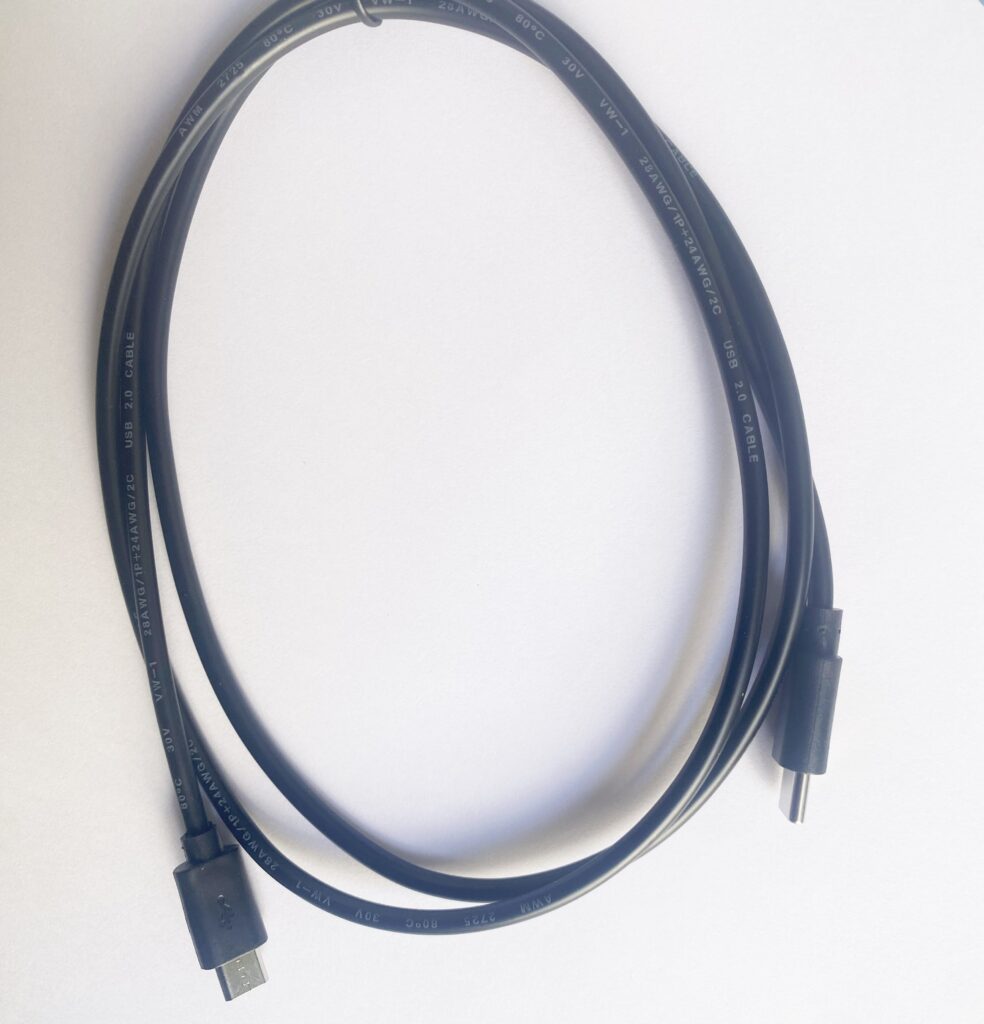
At the forefront of this niche is Lider Accessories, a established name in the phone accessories wholesale industry . We will delve into the specifics of their premium offering: the 1.0 Meter Black USB-C to Micro USB Cable. We will explore its technical specifications, market relevance, and why buying wholesale from Lider Accessories is a smart move for any retailer, distributor, or promotional company.

USB-C to Micro USB Cables Wholesale

USB-C to Micro USB Cables Wholesale

The Market Reality: Why Micro-USB Still Matters

Before diving into the product details, it is crucial to understand the market landscape. While USB-C is the present and future of connectivity, the shadow of Micro-USB looms large. For nearly a decade, Micro-USB was the mandated charging port for the majority of Android devices and a vast array of other electronics, including Bluetooth speakers, e-readers, digital cameras, power banks, and smart home gadgets .

This history has left a massive installed base of legacy devices that still require Micro-USB connectivity. Throwing away a perfectly functional speaker or an older tablet simply because your new laptop only has USB-C ports is not an option for most consumers. This is where the USB-C to Micro USB cable becomes the essential bridge. It allows users with modern USB-C laptops, chargers, and power banks to continue using their trusted Micro-USB devices without needing to maintain a separate ecosystem of old-school USB-A chargers .

Product Spotlight: Lider Accessories 1.0M Black USB-C to Micro USB Cable

Lider Accessories understands this market dynamic intimately. As a supplier deeply entrenched in the world of USB cables, they offer a solution that combines functionality, durability, and the right specifications for the modern user .

Design and Aesthetics: Professional Black

First impressions matter, even for cables. The Lider Accessories cable comes in a classic, professional Black color. This makes it an ideal choice for corporate environments, tech kits, and retail shelves where a sleek, unobtrusive design is preferred. The black casing tends to hide dust and wear better than lighter colors, ensuring the product looks good even after extended use.

Type C to Android Micro Cables

Type C to Android Micro Cables

The Sweet Spot: 1.0 Meters (Approx. 3 Feet)

Length is a critical factor in cable usability. At 1.0 meters, this cable hits the perfect balance between portability and practicality.

  • Versatility: It is long enough to comfortably use your phone while it is plugged into a wall socket or a bedside table.

  • Convenience: It is short enough to toss into a laptop bag or backpack without turning into a tangled mess.

  • Practicality: For programming enthusiasts, this length is perfect for connecting development boards like the Raspberry Pi Pico to a laptop, providing enough slack to work comfortably without the clutter of an excessively long cord .

USB-C to Micro Cables Wholesale

USB-C to Micro Cables Wholesale

Technical Specifications: Built for Performance

While aesthetics and length are important, what lies beneath the black jacket is what truly defines the cable’s value.

  1. Data Transfer: The cable supports data transfer speeds of up to 480 Mbps. This is the standard for USB 2.0, making it perfectly suitable for syncing documents, backing up photos from a camera, or transferring music playlists .

  2. Power Delivery: Designed to handle a current of up to 3A (subject to the power source and device limitations), this cable ensures that devices charge at their maximum capable speed . While it strictly adheres to the 5V standard for Micro-USB devices, the high amp rating guarantees efficient power delivery.

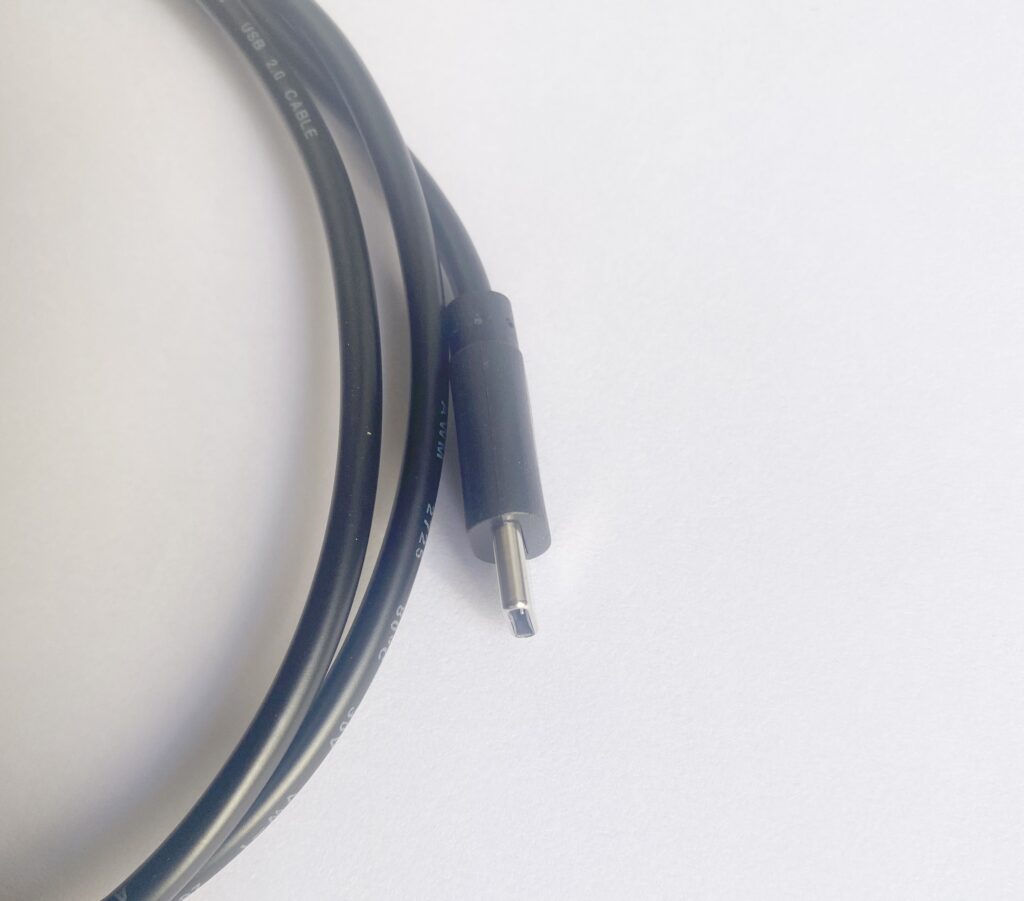
  3. Reversible Convenience: One of the key benefits of this cable is the USB-C end. Unlike the frustrating, non-reversible nature of standard Micro-USB or USB-A plugs, the USB-C connector is perfectly symmetrical. It plugs in the first time, every time, preventing damage to ports from forced insertions and offering a premium user experience .

Construction and Durability

For wholesale buyers, durability translates directly to customer satisfaction and reduced return rates. While the specific internal construction of Lider’s cable meets industry standards, quality USB-C to Micro USB cables typically feature:

  • Pure Copper Conductors: Ensuring efficient power flow and signal integrity.

  • Shielding: Protection against electromagnetic interference to maintain data integrity.

  • Molded Strain Relief: Reinforced connectors at both ends to withstand the daily stress of bending and pulling, significantly extending the cable’s lifespan .

Why Buy USB-C to Micro USB Cables Wholesale from Lider Accessories?

Sourcing from a specialized supplier like Lider Accessories offers distinct advantages over general marketplaces.

1. Expertise in the USB Ecosystem

Lider Accessories is not just a seller; they are a student of the industry. As detailed in their guides, they understand the intricate differences between USB-A, Micro-USB, Lightning, and USB-C . This expertise means they curate products that actually meet market needs. They know that while USB-C is the future, the demand for reliable bridging cables like the USB-C to Micro USB will remain robust for years due to the longevity of consumer electronics.

2. Diversified Portfolio Opportunities

When you partner with Lider Accessories for USB-C to Micro USB cables wholesale, you are tapping into a network that understands the importance of portfolio diversification . You can confidently stock this legacy-bridging cable alongside cutting-edge USB-C and high-margin MFi Certified Lightning cables, knowing you have a supplier who can advise on inventory balance.

3. USB-C to Micro USB cables Customization and Bulk Solutions

The wholesale market often demands more than just generic products. Corporate clients may seek custom lengths or specific branding. Lider Accessories, with their manufacturing connections, is well-positioned to discuss custom USB-C cables wholesale options, allowing your business to offer personalized cables for events, promotions, or corporate onboarding kits .

4. Future-Proofing Your Inventory

By sourcing from a knowledgeable partner, you mitigate the risk of being stuck with obsolete stock. Lider Accessories provides insights into market trends, helping you understand which cables (like the Micro-USB) are shifting to a budget, high-volume replacement model and which (like USB-C) require a tiered strategy offering basic, high-speed, and high-power variants .

Target Audience and Applications

Who needs this specific 1.0 M black cable?

  • General Consumers: Anyone with an old external hard drive, a digital camera, or a favorite set of headphones that charge via Micro-USB, who has recently bought a new laptop or phone without a USB-A port.

  • Educational Institutions & Makers: As noted by electronics retailers, this cable is perfect for programming Micro-USB development boards like the Raspberry Pi Pico or Arduino using modern USB-C equipped computers .

  • Hospitality Industry: Hotels and cafes offering guest charging stations need to cater to all device types. Having a few of these cables on hand ensures guests with older devices can still charge using the modern USB-C ports on the charging kiosks.

  • IT Departments: For businesses managing a fleet of devices, these cables are essential for maintaining older peripherals and testing equipment without needing to maintain old, bulky chargers.

Conclusion: The Essential Connector for a Transitional World

The USB-C to Micro USB cable is a testament to the fact that technological evolution is a gradual process, not an overnight revolution. As we move toward a fully USB-C future, the need to connect our past devices to our present hardware remains a constant.

Lider Accessories, with their commitment to quality and deep understanding of the wholesale accessory market, provides the perfect solution in their 1.0 Meter Black USB-C to Micro USB Cable. It is durable, functional, and perfectly sized for everyday use.

For businesses looking to provide true value to their customers, stocking this cable is an investment in versatility and customer satisfaction. By choosing USB-C to Micro USB cables wholesale from Lider Accessories, you are not just buying a cable; you are buying a bridge between generations of technology.

China Mobile Accessories Wholesale: Source from Guangzhou, Shenzhen & Yiwu

Table of Contents

  1. Introduction: The World’s Workshop for Mobile Tech
  2. Shenzhen Huaqiangbei: The Innovation Powerhouse
  3. Guangzhou Electronics Market: The Diverse Procurement Hub
  4. Yiwu International Trade Market: The Unrivaled Bulk Source
  5. Comparative Guide: Choosing Your Right Sourcing Destination
  6. Essential Products: From GaN Chargers to USB-C Cables
  7. Practical Tips for Successful Wholesale Sourcing

1. Introduction: The World’s Workshop for Mobile Tech

For global retailers and entrepreneurs, China’s wholesale markets are the undeniable epicenter for sourcing mobile accessories. These sprawling commercial cities offer unparalleled scale, competitive pricing, and direct access to manufacturers. Navigating them effectively is key to securing a profitable supply chain. This guide focuses on three titans: the tech-savvy Shenzhen Huaqiangbei phone accessories market, the comprehensive Guangzhou Electronics market, and the vast Yiwu phone accessories market. Understanding their unique strengths is the first step to sourcing cutting-edge products like PD QC GaN chargersUSB fast car chargers, and premium USB-C cables wholesale.

2. Shenzhen Huaqiangbei: The Innovation Powerhouse

Widely known as the “Silicon Valley of Hardware,” Shenzhen Huaqiangbei is more than a market; it’s a dynamic ecosystem of innovation. This dense network of skyscraper malls is where the latest technology is born and traded.

  • Tech at the Speed of Light: Here, you’ll find the newest GaN chargers (enabling smaller, faster-charging bricks) and the latest PD (Power Delivery) and QC (Quick Charge) protocols integrated into sleek designs. It’s the best place to source prototype items and cutting-edge digital gadgets.

  • A Haven for Specialists: The market is segmented into malls like SEG Plaza and Huaqiangbei Electronic World, each with floors dedicated to specific components. You can find specialized shops for circuit boards, sensors, and casings, perfect for custom projects or developing your own branded accessories.

  • The Spirit of R&D: Proximity to thousands of factories means products move from design to sample at breakneck speed. Sourcing here is ideal for businesses that compete on having the latest, most advanced USB fast car chargers and high-wattage charging solutions.

3. Guangzhou Electronics Market: The Diverse Procurement Hub

As a historic trade port, Guangzhou’s markets, such as the New South China Electronics City and Guangzhou International Electronics Plaza, offer a different advantage: immense diversity under one roof.

  • One-Stop Sourcing: While it has plenty of phone accessories, Guangzhou excels in offering a broader spectrum of consumer electronics alongside them. You can source mobile phone accessories wholesale, home appliances, lighting, and automotive electronics all in one trip.

  • Balancing Innovation and Volume: You will find a wide range of PD QC GaN chargers and USB-C cables wholesale here, with a strong mix of branded and unbranded goods. It serves as an excellent middle ground between Huaqiangbei’s specialist innovation and Yiwu’s sheer volume.

  • Established Export Channels: Guangzhou’s long history in foreign trade means many suppliers are exceptionally experienced in handling international orders, export documentation, and logistics, making the process smoother for overseas buyers.

4. Yiwu International Trade Market: The Unrivaled Bulk Source

If your business model relies on high-volume, cost-effective sourcing, Yiwu phone accessories market is your destination. It is the world’s largest wholesale market for small commodities.

  • Unmatched Scale and Price: Comprising five vast districts, Yiwu’s strength is in staggering variety and rock-bottom prices for bulk orders. It is ideal for sourcing enormous quantities of standard USB-C cables, basic chargers, simple cases, and screen protectors.

  • General Commodities Focus: Unlike the tech focus of Shenzhen, Yiwu sells everything from stationery and kitchenware to toys and decorations. Phone accessories are one of many categories. This makes it perfect for general retailers or dollar stores wanting to stock a wide range of low-cost accessories.

  • Efficiency for Volume Buyers: The model is built for large-scale transactions. Minimum order quantities (MOQs) are standard, and the efficiency of sourcing countless products from adjacent booths is unparalleled for filling container loads.

5. Comparative Guide: Choosing Your Right Sourcing Destination

Use this quick guide to match the market to your primary business needs.

FeatureShenzhen HuaqiangbeiGuangzhou MarketYiwu Market
Primary StrengthTechnological innovation, R&D, newest gadgetsDiverse electronics range, established export tradeUnbeatable scale and price for bulk commodities
Best ForTech-focused brands, cutting-edge products, custom solutionsMixed electronic retailers, balanced sourcing tripsVolume buyers, general retailers, low-cost procurement
Product ExampleLatest 140W GaN chargers, modular USB fast car chargersWide range of PD QC chargers, branded USB-C cablesHigh-volume USB-C cables wholesale, basic 5V/1A adapters
Sourcing ExperienceSpecialist, component-level, fast-pacedDiverse, export-ready, business-friendlyOverwhelming scale, volume-driven, price-focused

6. Essential Products: From GaN Chargers to USB-C Cables

Across these markets, certain product categories are essential for a modern accessories lineup:

  • Advanced Chargers (PD QC GaN chargers): Look for multi-port GaN chargers that combine high power with compact size. Verify their supported protocols (PD 3.1, QC 5) and safety certifications (CE, FCC, RoHS).

  • In-Car Solutions (USB fast car chargers): Source models with multiple ports (USB-C and USB-A), high total output (e.g., 30W+), and built-in safety features like surge protection for the China mobile accessories wholesale market.

  • Connectivity Essentials (USB-C cables wholesale): Differentiate between basic charge-only cables and high-quality, e-marked cables capable of 100W power delivery and high-speed data transfer (USB 3.2/4). Durability and connector quality are key.

7. Practical Tips for Successful Wholesale Sourcing

  1. Prepare Thoroughly: Research specific market halls and product suppliers online before your trip. Learning basic Mandarin phrases for business is immensely helpful.

  2. Verify and Sample: Always ask for product specifications in writing and request working samples to test quality, performance, and safety before placing a large order.

  3. Build Relationships: Communicate clearly with suppliers. Establishing a trustworthy relationship can lead to better prices, priority service, and more reliable cooperation.

  4. Factor in Logistics: Discuss Incoterms clearly. Understand who handles shipping, taxes, and duties. Using a reliable freight forwarder is often recommended for first-time importers.

By aligning your business needs with the unique profile of each legendary market, you can unlock the full potential of the China mobile accessories wholesale market.

Everything You Need to Know about USB Cord Types

In our increasingly connected world, USB cables have become the invisible lifelines that power our digital lives. From charging our smartphones to transferring data between devices, these unassuming cords play a crucial role in our daily routines. However, the landscape of USB technology has evolved into a complex ecosystem of different standards, shapes, and capabilities that can confuse even the most tech-savvy users.

The journey of USB technology began in 1996 with the introduction of USB 1.0, which offered a modest speed of 1.5 Mbps. Since then, we’ve witnessed a remarkable evolution through USB 2.0, USB 3.0, and the latest USB4 standards, with data transfer rates now reaching an astonishing 40 Gbps. Simultaneously, the physical connectors have diversified from the original Standard-A to today’s versatile USB-C, creating a maze of compatibility challenges and opportunities.

This comprehensive guide will demystify the complex world of USB cables, providing you with the knowledge to navigate the different types, understand their capabilities, and choose the right cable for every situation. Whether you’re looking to charge your devices faster, transfer large files more efficiently, or simply understand what all those different ports and connectors mean, this article will serve as your definitive resource.

USB5 Cables Wholesale High speed charging and data transfer USB-C cables

USB5 Cables Wholesale High speed charging and data transfer USB-C cables

Understanding USB Cables Standards and Generations

The Evolution of USB Specifications

USB technology has progressed through several generations, each bringing significant improvements in speed and functionality. The USB-IF (USB Implementers Forum), the governing body behind USB standards, has developed specifications that have transformed how we interact with our devices.

USB 1.x started the revolution with two variants: USB 1.0 Low-Speed at 1.5 Mbps and USB 1.1 Full-Speed at 12 Mbps. While these speeds seem primitive by today’s standards, they represented a major step forward in peripheral connectivity at the time.

The USB 2.0 standard, introduced in 2000, marked a substantial leap with Hi-Speed capability reaching 480 Mbps. This version became the workhorse of the industry for over a decade and remains common in many devices today, particularly for basic charging and peripheral connections.

USB 3.x generations brought super-speed capabilities to the market. USB 3.0 (later renamed USB 3.1 Gen 1) offered 5 Gbps transfers, while USB 3.1 Gen 2 doubled this to 10 Gbps. The USB 3.2 standard further expanded capabilities, with Gen 2×2 reaching 20 Gbps by utilizing two lanes of data transmission.

The current pinnacle of USB technology is USB4, which builds upon Thunderbolt 3 technology to deliver speeds up to 40 Gbps. USB4 also introduces better resource allocation for video, data, and power delivery through its tunneling architecture.

Key USB CABLES Technologies and Protocols

Beyond raw speed specifications, several key technologies define modern USB CABLES capabilities:

USB Power Delivery (USB-PD) is a sophisticated charging protocol that enables higher power levels (up to 240W with USB PD 3.1) and bidirectional power flow. This means the same cable can charge your laptop and then be used to charge your phone from your laptop’s battery.

USB Battery Charging (USB-BC) was an earlier charging specification that allowed for higher current than standard USB 2.0, while USB-C Current refers to the ability of USB-C cables to handle up to 5A of current natively.

The introduction of Alternate Modes in USB-C cables enables other protocols like DisplayPort, HDMI, and Thunderbolt to operate over the USB-C connector, transforming a simple data cable into a multi-purpose connectivity solution.

Comprehensive Guide to USB Connector Types

Traditional USB CABLES Connectors

USB Type-A is the rectangular connector that most people recognize as “USB.” It has been the standard host connector for computers, chargers, and hubs for decades. While the shape has remained consistent, the internal connectors have evolved to support newer standards, with USB 3.0 Type-A ports featuring additional pins visible as blue plastic inserts.

USB Type-B connectors are typically found on peripheral devices like printers, scanners, and external hard drives. Their squarish shape with beveled corners was designed to prevent confusion with Type-A ports. The USB 3.0 Type-B variant features an additional top section to accommodate the extra data lines needed for SuperSpeed transfer.

Mini-USB was once the standard for mobile devices, digital cameras, and portable hard drives before being largely superseded by Micro-USB. The Mini-USB connector is characterized by its 5-pin design and durability issues after repeated use.

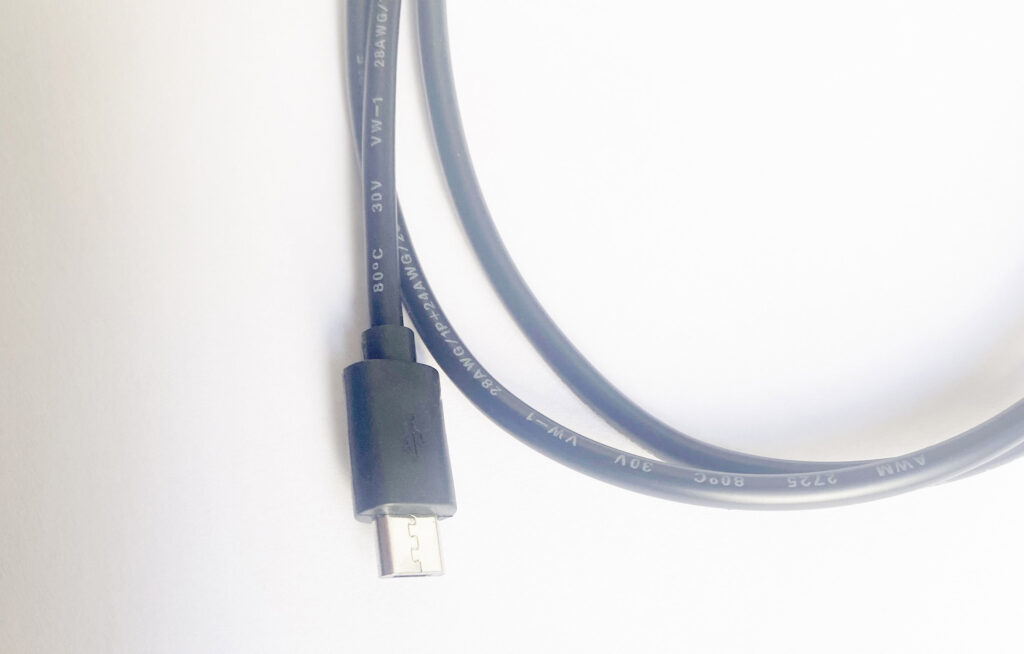
Micro-USB became the universal charging solution for Android devices for nearly a decade and is still found in many budget phones, Bluetooth devices, and other electronics. Its slim design was better suited for increasingly thin mobile devices, though it shares similar durability concerns to Mini-USB.

USB C CABLES: The Modern Standard

USB-C represents a fundamental rethinking of USB connectivity. Its slim, reversible 24-pin connector eliminates the frustration of trying to insert the cable correctly. But beyond convenience, USB-C delivers unprecedented capabilities:

  • Reversible design for hassle-free insertion

  • Higher power delivery (up to 240W with USB PD 3.1 EPR)

  • Support for Alternate Modes including DisplayPort, HDMI, and Thunderbolt

  • Native support for USB4 and backward compatibility with previous standards

  • Dual-lane operation for doubled data transfer speeds

The versatility of USB-C has made it the connector of choice for modern devices from smartphones to laptops, and it’s steadily becoming the universal standard for all electronics.

Specialized and Legacy Connectors

Beyond the common types, several specialized USB connectors serve particular markets:

USB Micro-B SuperSpeed features a two-part design that maintains compatibility with standard Micro-B while adding additional contacts for USB 3.0 data transfer. This connector is commonly found on external hard drives.

USB On-The-Go (OTG) connectors, typically Micro-USB or USB-C with special wiring, enable mobile devices to act as hosts, allowing you to connect peripherals like flash drives, keyboards, or controllers directly to your phone or tablet.

Proprietary connectors like Apple’s Lightning connector, while not official USB standards, are worth mentioning as they often work alongside USB technology for charging and data transfer in Apple’s ecosystem.

USB Cables Capabilities and Performance

Data Transfer Speeds Compared

Table: USB Data Transfer Standards and Speeds

USB StandardTheoretical Maximum SpeedReal-World Typical SpeedCommon Applications
USB 2.0480 Mbps30-40 MB/sKeyboards, mice, basic charging
USB 3.2 Gen 15 Gbps400-500 MB/sExternal HDDs, flash drives
USB 3.2 Gen 210 Gbps800-1000 MB/sSSDs, high-speed backups
USB 3.2 Gen 2×220 Gbps1.5-2 GB/sHigh-performance storage
USB440 Gbps2.5-3.5 GB/sDocking stations, professional gear

Power Delivery Capabilities

Charging capabilities vary significantly across USB standards and connector types:

Standard USB 2.0 cables typically support up to 2.5W (5V/0.5A), sufficient for slow charging of phones and powering small peripherals.

USB 3.0 increased this to 4.5W (5V/0.9A), while the USB Battery Charging specification allowed for up to 7.5W (5V/1.5A).

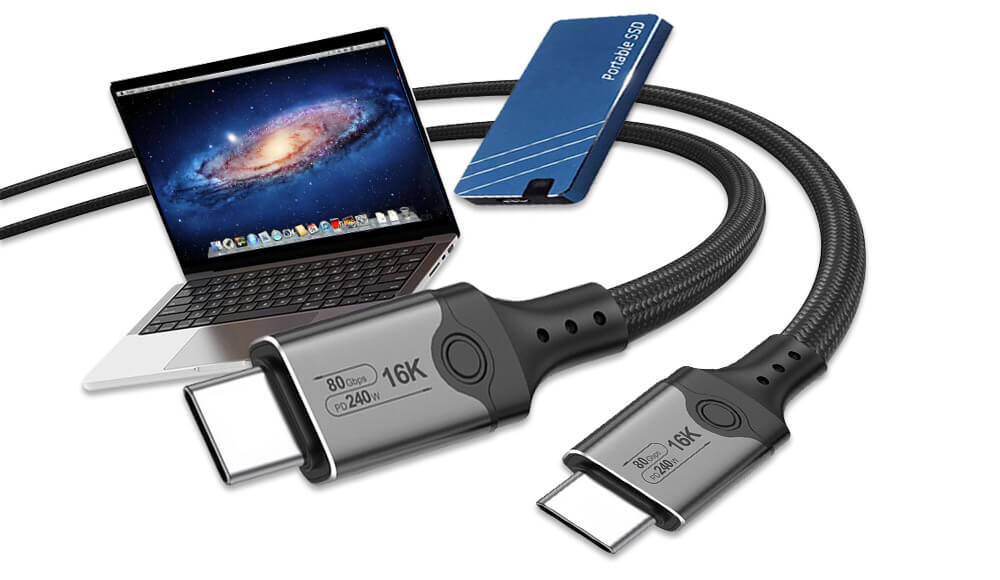
The true revolution came with USB Power Delivery and USB-C, which initially supported up to 100W (20V/5A). The latest USB PD 3.1 Extended Power Range (EPR) specification dramatically expands this to 240W (48V/5A), enabling even power-hungry devices like gaming laptops and professional monitors to be powered through a USB-C cable.

100W Multiple USB Cords Wholesale

100W Multiple USB Cords Wholesale

Video and Alternate Modes

USB-C’s Alternate Mode capability allows non-USB signals to be transmitted through the USB-C connector and cable. The most common implementations include:

DisplayPort Alternate Mode enables direct connection to monitors and displays with support for high-resolution outputs including 8K video.

HDMI Alternate Mode allows compatibility with the widespread HDMI ecosystem without requiring adapters.

Thunderbolt 3/4 represents the most capable implementation, integrating PCI Express data transfer with DisplayPort video and power delivery through a single USB-C connector.

Choosing the Right USB Cables

Matching Cables to Your Needs

Selecting the appropriate USB cable requires considering your specific use case:

For basic charging of phones and small electronics, even an older USB 2.0 cable may suffice, though charging times will be longer.

Fast charging modern smartphones requires cables that support higher currents (3A) and proper USB Power Delivery negotiation.

Data transfer needs dictate different requirements: moving occasional documents might be fine with USB 2.0, while transferring large video files or backing up data benefits dramatically from USB 3.2 Gen 2 or higher.

Video applications demand USB-C cables with DisplayPort or Thunderbolt support, with passive cables suitable for most uses but active cables necessary for longer runs or higher resolutions.

Quality and Certification Considerations

With the proliferation of USB cables, quality has become a significant concern. Look for USB-IF certification logos that guarantee compliance with standards. Certified cables undergo rigorous testing to ensure they meet specifications for performance and safety.

Beware of cheap, uncertified cables that may not properly implement specifications, potentially leading to slow charging, data corruption, or even damage to your devices. Reputable brands typically provide better construction, shielding, and durability.

When selecting USB-C cables in particular, pay attention to the supported capabilities, as not all USB-C cables are created equal. Some may support only USB 2.0 data speeds despite having a USB-C connector, while others may implement full USB4/Thunderbolt capabilities.

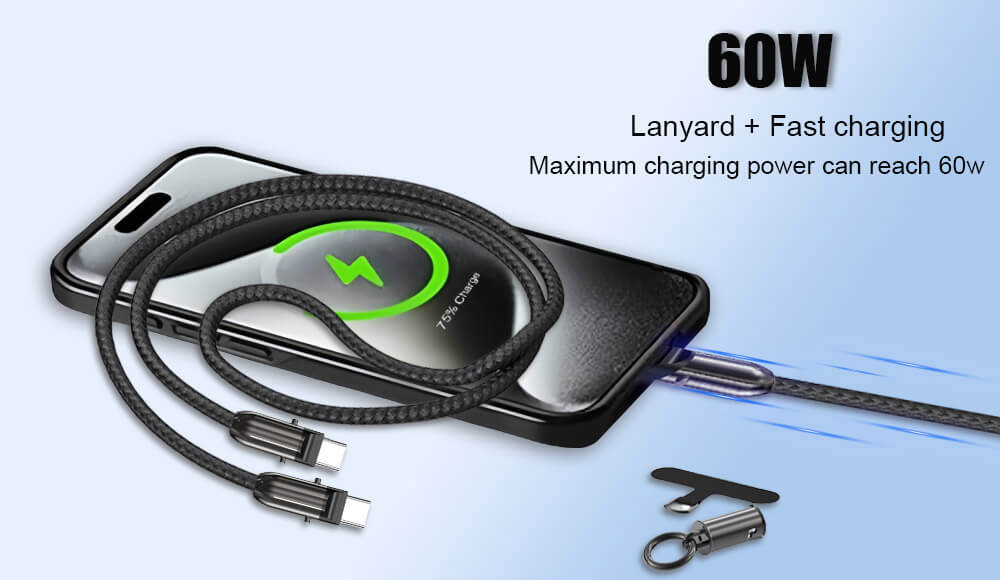
Anti-lost lanyard with USB C charging

Anti-lost lanyard with USB C charging

The Future of USB Cables Technology

USB CABLES Emerging Standards and Applications

The USB ecosystem continues to evolve, with several developments shaping its future:

USB4 Version 2.0, announced in 2022, promises up to 80 Gbps data transfer speeds, with the potential for even higher rates (up to 120 Gbps) in asymmetric configurations. This will further blur the lines between data transfer, video display, and peripheral connectivity.

The expansion of USB Power Delivery to 240W enables a truly universal power standard that can accommodate nearly all portable electronics, potentially eliminating the need for proprietary power bricks even for high-performance laptops and workstations.

Wireless USB technologies continue to develop, though they have yet to achieve the reliability and performance of wired connections for most applications.

The Path Toward True Universality

The long-term trend in USB technology points toward consolidation around USB-C as the universal physical connector, with intelligent negotiation handling the varying capabilities of different devices and cables. This vision of a truly universal cable that works for everything from earbuds to laptops is gradually becoming reality, though the transition period continues to present compatibility challenges.

As the ecosystem matures, we can expect better labeling, more consistent implementation of standards, and increased consumer education to help navigate the remaining complexities of USB connectivity.

Conclusion

Understanding USB cord types is no longer just technical knowledge—it’s essential practical information for anyone who uses electronic devices. From the legacy USB-A that started it all to the versatile USB-C that represents the future, each connector type and standard serves specific purposes in our connected ecosystem.

The key takeaways are simple: USB-C is becoming the universal standard for good reason, offering reversibility, high-speed data transfer, powerful charging capabilities, and video support all through one connector. However, older USB standards will remain in use for years to come, making an understanding of compatibility and capabilities increasingly valuable.

By choosing the right USB cable for each application—whether it’s basic charging, fast data transfer, or video display—you can ensure optimal performance, protect your devices, and simplify your digital life. As USB technology continues to evolve toward faster speeds and greater capabilities, this knowledge will only become more valuable in navigating our wirefully connected world.

The Ultimate Guide to USB: USB-A, Micro-USB, Lightning, and USB-C for Wholesale Buyers

Executive Summary

In the interconnected world of modern technology, the humble USB cable is the unsung hero, a critical conduit for power and data. For businesses involved in USB Cables wholesale, understanding the intricate differences between USB-A, Micro-USB, Lightning, and USB-C is not just academic—it’s a commercial necessity. The market is a diverse ecosystem where legacy standards like Micro-USB coexist with the universal promise of USB-C and the proprietary walled garden of Apple’s Lightning. This comprehensive guide provides USB cables suppliers and wholesalers with a deep dive into the specifications, market applications, and strategic considerations for each connector type. We will explore why a diversified portfolio that includes everything from bulk USB C cables to custom USB-C cables wholesale options is key to capitalizing on current demand while future-proofing your business. Navigating this complex landscape effectively allows savvy wholesalers to meet the needs of every customer segment, from the budget-conscious to the tech-obsessed.

100W USB-C cables wholesale

100W USB-C cables wholesale

Introduction: The Backbone of Digital Connectivity

The Universal Serial Bus (USB) standard has been the cornerstone of device interfacing for decades. From charging smartphones to connecting peripherals and transferring data, USB cables are ubiquitous. For wholesalers and suppliers, this represents a consistent and high-volume market opportunity. However, the landscape is fragmented. The evolution from the familiar USB-A to the once-dominant Micro-USB, and the current transition towards the powerful USB-C, alongside the unique position of Lightning, creates a complex matrix of consumer needs.

Success in the USB Cables wholesale market hinges on a strategic understanding of these connectors. It’s about knowing which cables are becoming obsolete, which are in sustained demand, and which represent the future of the industry. This knowledge informs inventory planning, marketing strategies, and partnerships with manufacturers for custom USB C cables wholesale programs, ensuring your business remains relevant and competitive in a fast-paced industry.

USB-A: The Universal Legacy Port

USB-A is the original “standard” USB connector that most people instantly recognize. Its wide, flat, and rectangular design with a single, non-reversible orientation has been the primary host port on computers, wall chargers, car adapters, and power banks for generations.

Technical Specifications and Common Uses

  • Form Factor: Non-reversible Type-A connector.

  • Typical Uses: Connecting peripherals (keyboards, mice, printers, external hard drives) to computers, and as the “source” end of virtually all charger blocks and power adapters.

  • Versions: It’s crucial to distinguish the connector (USB-A) from the protocol (USB 2.0, USB 3.0, etc.). A USB-A port can support various speeds:

    • USB 2.0 (Black/White Tab): Data transfer speeds up to 480 Mbps.

    • USB 3.0/+ (Blue Tab): Data transfer speeds up to 5 Gbps (USB 3.2 Gen 1).

    • USB 3.1/+ (Teal/Red Tab): Supports faster protocols, often with higher power delivery.

Market Position and Wholesale Strategy for USB-A Cables

Despite not being the modern port on new devices, USB-A is far from dead. Its role as the universal “source” connector in charging infrastructure guarantees its relevance for years to come. Most USB C cables wholesale offerings still feature a USB-A to USB-C model to serve this massive installed base.

Wholesale Recommendation: USB cables suppliers should maintain a robust inventory of high-quality USB-A to USB-C and USB-A to Micro-USB cables. These are high-turnover, essential items for a wide range of customers. They are the bread-and-butter of any wholesale operation and are often sought in bulk USB C cables purchases for corporate giveaways or as standard-issue accessories.

Micro-USB: The Former King of Android and Accessories

For nearly a decade, Micro-USB was the mandated charging port for most Android phones and a vast array of other devices, from Bluetooth speakers and power banks to smart home gadgets. Its compact, trapezoidal shape is unmistakable, notorious for its fragile design and frustrating non-reversibility.

Technical Specifications and Common Uses

  • Form Factor: Small, non-reversible, trapezoidal connector with two hooks on the sides.

  • Typical Uses: Budget and mid-range Android phones (decreasingly), Bluetooth accessories, power banks, e-readers (like older Kindles), and countless other low-power electronic devices.

  • Limitations: Physically fragile, slow charging capabilities (typically limited to 15W or less), and slow data transfer (usually USB 2.0).

Market Position and Wholesale Strategy for Micro-USB Cables

While Micro-USB is a legacy standard, its wholesale demand remains significant due to the enormous installed base of devices. The market for Micro-USB cables has shifted from premium to budget and replacement-driven. Customers are not looking for cutting-edge features but for affordable, durable cables to keep their older devices powered.

Wholesale Recommendation: USB cables suppliers should continue to stock Micro-USB cables, but consider them a cost-driven, volume-based product line. The focus should be on value and durability rather than high margins. These cables are essential for fulfilling the needs of budget retailers, hospitality industries (for guest charging), and as low-cost inclusions in accessory bundles. However, long-term inventory investments should be cautious, as this market will steadily decline.

USB C cables wholesale

USB C cables wholesale

Lightning: Apple’s Proprietary Ecosystem

Introduced by Apple in 2012, the Lightning connector was a revolutionary step forward with its compact, fully reversible design. It replaced the larger, 30-pin dock connector and became the exclusive port for iPhones, iPads, iPods, and other Apple accessories for over a decade.

Technical Specifications and Common Uses

  • Form Factor: Compact, symmetrical, and fully reversible 8-pin connector.

  • Typical Uses: iPhones (iPhone 5 to iPhone 14), iPads (most models until 2018+), AirPods cases, and other Apple peripherals.

  • Limitations: As a proprietary standard, it requires Apple’s certification (MFi – Made for iPhone/iPad/iPod). Non-certified cables often trigger warning messages and may fail. Its technical capabilities are now outclassed by USB-C, with slower data transfer speeds (USB 2.0 on most cables) and lower power limits.

Market Position and Wholesale Strategy for Lightning Cables

The Lightning cable market is massive but strictly governed. For USB cables suppliers, dealing in Apple MFi Certified cables is non-negotiable. Selling non-certified cables leads to customer dissatisfaction, high return rates, and potential legal issues.

Wholesale Recommendation: Partner exclusively with manufacturers who provide verifiable MFi certification. The Apple user base is loyal and has consistent spending power, making this a high-value, high-margin segment. Offering a variety of durable, well-designed MFi Lightning cables—in various lengths, colors, and with reinforced connectors—is a proven strategy. This is also a prime category for custom USB C cables wholesale suppliers to offer dual-ended cables (e.g., USB-C to Lightning) that cater to users with newer MacBooks and iPad chargers.

USB-C: The True Universal Standard

USB-C is the modern, industry-standard connector designed to replace all previous USB types, including USB-A, USB-B, and Micro-USB. Its small, robust, and elegantly simple reversible design is only part of the story. Its true power lies in its incredible versatility.

Technical Specifications and Common Uses

  • Form Factor: Small, oval-shaped, and perfectly symmetrical (reversible).

  • Typical Uses: Modern Android phones, premium laptops (MacBooks, Dell XPS, etc.), tablets (including iPads Pro/Air), peripherals, monitors, and even some gaming consoles (Nintendo Switch).

  • Capabilities: This is where USB-C shines. It’s a single port that can handle:

    • Power Delivery (USB-PD): Supports charging from 5W up to 240W, capable of powering everything from earbuds to high-performance laptops.

    • High-Speed Data: Supports USB 3.2 (up to 20 Gbps), USB4 (up to 40 Gbps), and Thunderbolt 3/4 (40 Gbps).

    • Video Output: Can output video to monitors via DisplayPort or HDMI Alt Modes, supporting resolutions up to 8K.

Market Position and Wholesale Strategy for USB-C Cables

USB-C is the present and future of connectivity. For USB cables suppliers, this is the most critical and dynamic product category. Demand for bulk USB C cables is exploding as the standard is adopted across all device categories.

Wholesale Recommendation: Your strategy should be multi-faceted:

  1. Diversify by Capability: Stock different tiers of USB-C cables to meet different needs and price points.

    • Basic Charging Cables: For customers who just need to charge phones and tablets.

    • High-Speed Data Cables: Certified for USB 3.2 Gen 2 or higher speeds for users transferring large files.

    • High-Power Charging Cables: Supporting 100W PD for laptop users.

    • Premium/Thunderbolt 4 Cables: For professionals requiring maximum performance for data and video.

  2. Embrace Customization: The custom USB C cables wholesale market is a major growth area. Businesses, schools, and promotional companies seek cables with custom lengths, colors, and printed logos. Offering this service positions you as a value-added supplier.

  3. Future-Proof Your Inventory: As the EU mandates USB-C as a universal charging standard and Apple continues its transition, prioritizing USB-C cable inventory is the safest long-term bet for any wholesaler.

Head-to-Head Comparison Table for Wholesale Buyers

FeatureUSB-AMicro-USBLightningUSB-C
Reversible?NoNoYesYes
DurabilityHighLow (fragile port)MediumHigh
Peak Data Speed10-20 Gbps*480 Mbps480 Mbps (5 Gbps on Pro)40-80 Gbps
Peak Power~7.5W-100W~15W~15W-30WUp to 240W
Video OutputNoNoNo (Adapter needed)Yes (Native)
EcosystemUniversal, LegacyLegacy Android/AccessoriesApple Proprietary (MFi)Universal Standard
Wholesale FocusHigh-volume, essentialBudget, replacementHigh-margin, MFi CertifiedFuture-proof, diversified tiers
Customization PotentialLowLowMedium (with MFi)Very High

*Depending on USB version (2.0, 3.0, 3.2)

Building a Winning Wholesale USB Cable Strategy

1. Portfolio Diversification is Key

A successful USB cables wholesale business cannot rely on a single connector type. Your portfolio must be a balanced mix:

  • Legacy & Volume: Maintain stock of reliable USB-A and Micro-USB cables.

  • High-Margin Niche: Capitalize on the Apple ecosystem with certified Lightning cables.

  • Future Growth Driver: Aggressively expand your USB-C offerings across all performance tiers.

2. The Critical Importance of Quality and Compliance

Cutting corners on quality is a race to the bottom. Poorly constructed cables with substandard wires and shielding lead to slow charging, data corruption, and safety hazards. For USB cables suppliers, building a reputation for reliability is paramount. This means:

  • Sourcing from reputable manufacturers.

  • Insisting on proper certifications (USB-IF, MFi).

  • Using high-quality copper wiring and robust connector housings.

3. Capitalizing on the Customization Trend

The market for generic cables is crowded. Offering custom USB C cables wholesale services provides a significant competitive advantage. This allows you to serve B2B clients directly, creating branded cables for corporate events, retail branding, and specialized applications. This segment commands higher margins and fosters long-term business relationships.

4. Understanding the “Cable Tangle” – Versatility Matters

Stocking and promoting versatile cable solutions can be highly profitable. Consider:

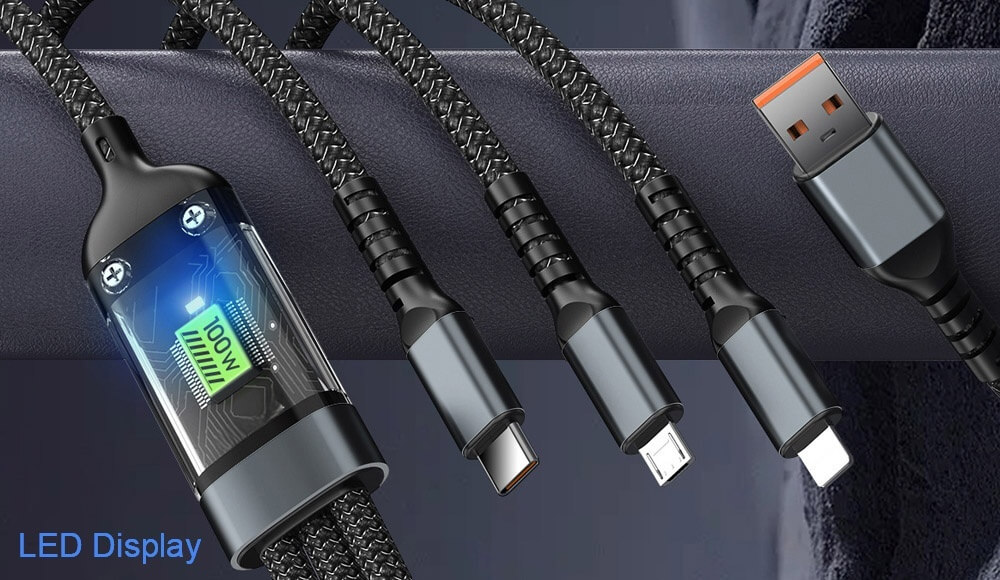
  • Multi-Port Cables: A single cable with interchangeable USB-C, Lightning, and Micro-USB heads.

  • Dual-Ended Cables: Such as USB-C to Lightning, which are increasingly popular.

  • Cables with Multiple Connectors: Bundled sets that cover all a user’s needs.

Conclusion: Navigating the Connector Landscape for Long-Term Success

The evolution from USB-A and Micro-USB to USB-C and the unique case of Lightning tells a story of technological progress towards a simpler, more powerful universal standard. For wholesalers and suppliers, this transition is not without its challenges, but it is filled with immense opportunity.

The key takeaway is that while legacy cables will remain a part of your inventory for the foreseeable future, your strategic focus must be on USB-C. Investing in a diverse range of bulk USB C cables, from basic to high-performance, and developing a strong custom USB C cables wholesale operation, is the definitive path to growth and resilience. By understanding the technical nuances, market dynamics, and quality imperatives of each connector type, your business can effectively serve the entire market—from those clinging to older devices to the early adopters driving the future—ensuring your position as a leading USB cables supplier in a connected world.