USB-C to Micro USB Cables Wholesale from Lider

The transition from the once-dominant Micro-USB port to the now-ubiquitous USB-C standard has created a unique and sustained demand for connectivity solutions. For businesses looking to capitalize on this market gap, USB-C to Micro USB cables wholesale is not just a product category—it is a strategic necessity.

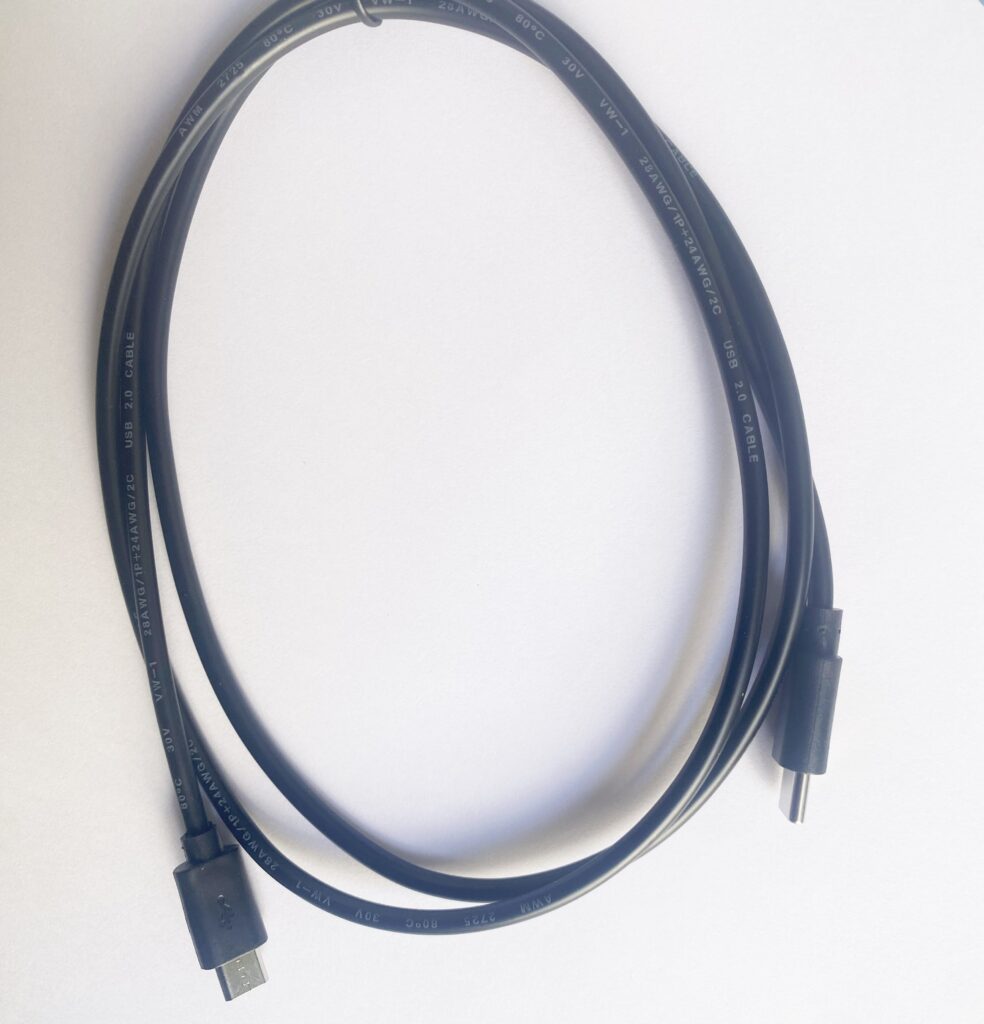
At the forefront of this niche is Lider Accessories, a established name in the phone accessories wholesale industry . We will delve into the specifics of their premium offering: the 1.0 Meter Black USB-C to Micro USB Cable. We will explore its technical specifications, market relevance, and why buying wholesale from Lider Accessories is a smart move for any retailer, distributor, or promotional company.
USB-C to Micro USB Cables Wholesale

USB-C to Micro USB Cables Wholesale

The Market Reality: Why Micro-USB Still Matters

Before diving into the product details, it is crucial to understand the market landscape. While USB-C is the present and future of connectivity, the shadow of Micro-USB looms large. For nearly a decade, Micro-USB was the mandated charging port for the majority of Android devices and a vast array of other electronics, including Bluetooth speakers, e-readers, digital cameras, power banks, and smart home gadgets .

This history has left a massive installed base of legacy devices that still require Micro-USB connectivity. Throwing away a perfectly functional speaker or an older tablet simply because your new laptop only has USB-C ports is not an option for most consumers. This is where the USB-C to Micro USB cable becomes the essential bridge. It allows users with modern USB-C laptops, chargers, and power banks to continue using their trusted Micro-USB devices without needing to maintain a separate ecosystem of old-school USB-A chargers .

Product Spotlight: Lider Accessories 1.0M Black USB-C to Micro USB Cable

Lider Accessories understands this market dynamic intimately. As a supplier deeply entrenched in the world of USB cables, they offer a solution that combines functionality, durability, and the right specifications for the modern user .

Design and Aesthetics: Professional Black

First impressions matter, even for cables. The Lider Accessories cable comes in a classic, professional Black color. This makes it an ideal choice for corporate environments, tech kits, and retail shelves where a sleek, unobtrusive design is preferred. The black casing tends to hide dust and wear better than lighter colors, ensuring the product looks good even after extended use.
Type C to Android Micro Cables

Type C to Android Micro Cables

The Sweet Spot: 1.0 Meters (Approx. 3 Feet)

Length is a critical factor in cable usability. At 1.0 meters, this cable hits the perfect balance between portability and practicality.

  • Versatility: It is long enough to comfortably use your phone while it is plugged into a wall socket or a bedside table.

  • Convenience: It is short enough to toss into a laptop bag or backpack without turning into a tangled mess.

  • Practicality: For programming enthusiasts, this length is perfect for connecting development boards like the Raspberry Pi Pico to a laptop, providing enough slack to work comfortably without the clutter of an excessively long cord .
USB-C to Micro Cables Wholesale

USB-C to Micro Cables Wholesale

Technical Specifications: Built for Performance

While aesthetics and length are important, what lies beneath the black jacket is what truly defines the cable’s value.

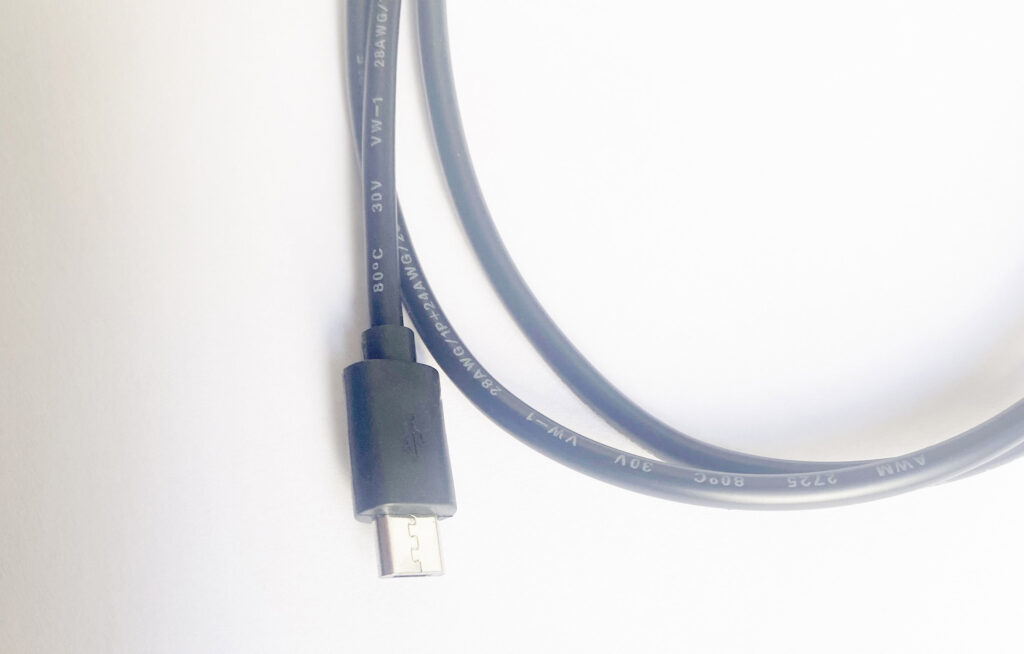
  1. Data Transfer: The cable supports data transfer speeds of up to 480 Mbps. This is the standard for USB 2.0, making it perfectly suitable for syncing documents, backing up photos from a camera, or transferring music playlists .

  2. Power Delivery: Designed to handle a current of up to 3A (subject to the power source and device limitations), this cable ensures that devices charge at their maximum capable speed . While it strictly adheres to the 5V standard for Micro-USB devices, the high amp rating guarantees efficient power delivery.

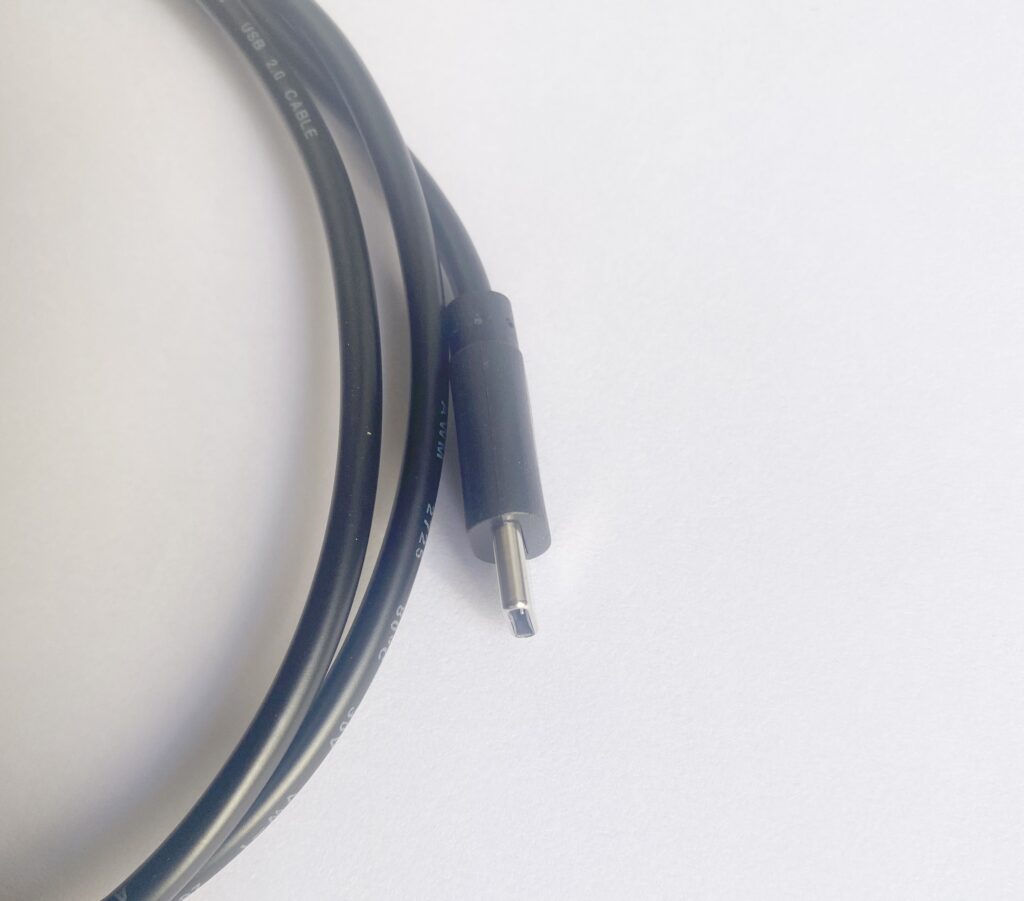
  3. Reversible Convenience: One of the key benefits of this cable is the USB-C end. Unlike the frustrating, non-reversible nature of standard Micro-USB or USB-A plugs, the USB-C connector is perfectly symmetrical. It plugs in the first time, every time, preventing damage to ports from forced insertions and offering a premium user experience .

Construction and Durability

For wholesale buyers, durability translates directly to customer satisfaction and reduced return rates. While the specific internal construction of Lider’s cable meets industry standards, quality USB-C to Micro USB cables typically feature:

  • Pure Copper Conductors: Ensuring efficient power flow and signal integrity.

  • Shielding: Protection against electromagnetic interference to maintain data integrity.

  • Molded Strain Relief: Reinforced connectors at both ends to withstand the daily stress of bending and pulling, significantly extending the cable’s lifespan .

Why Buy USB-C to Micro USB Cables Wholesale from Lider Accessories?

Sourcing from a specialized supplier like Lider Accessories offers distinct advantages over general marketplaces.

1. Expertise in the USB Ecosystem

Lider Accessories is not just a seller; they are a student of the industry. As detailed in their guides, they understand the intricate differences between USB-A, Micro-USB, Lightning, and USB-C . This expertise means they curate products that actually meet market needs. They know that while USB-C is the future, the demand for reliable bridging cables like the USB-C to Micro USB will remain robust for years due to the longevity of consumer electronics.

2. Diversified Portfolio Opportunities

When you partner with Lider Accessories for USB-C to Micro USB cables wholesale, you are tapping into a network that understands the importance of portfolio diversification . You can confidently stock this legacy-bridging cable alongside cutting-edge USB-C and high-margin MFi Certified Lightning cables, knowing you have a supplier who can advise on inventory balance.

3. USB-C to Micro USB cables Customization and Bulk Solutions

The wholesale market often demands more than just generic products. Corporate clients may seek custom lengths or specific branding. Lider Accessories, with their manufacturing connections, is well-positioned to discuss custom USB-C cables wholesale options, allowing your business to offer personalized cables for events, promotions, or corporate onboarding kits .

4. Future-Proofing Your Inventory

By sourcing from a knowledgeable partner, you mitigate the risk of being stuck with obsolete stock. Lider Accessories provides insights into market trends, helping you understand which cables (like the Micro-USB) are shifting to a budget, high-volume replacement model and which (like USB-C) require a tiered strategy offering basic, high-speed, and high-power variants .

Target Audience and Applications

Who needs this specific 1.0 M black cable?

  • General Consumers: Anyone with an old external hard drive, a digital camera, or a favorite set of headphones that charge via Micro-USB, who has recently bought a new laptop or phone without a USB-A port.

  • Educational Institutions & Makers: As noted by electronics retailers, this cable is perfect for programming Micro-USB development boards like the Raspberry Pi Pico or Arduino using modern USB-C equipped computers .

  • Hospitality Industry: Hotels and cafes offering guest charging stations need to cater to all device types. Having a few of these cables on hand ensures guests with older devices can still charge using the modern USB-C ports on the charging kiosks.

  • IT Departments: For businesses managing a fleet of devices, these cables are essential for maintaining older peripherals and testing equipment without needing to maintain old, bulky chargers.

Conclusion: The Essential Connector for a Transitional World

The USB-C to Micro USB cable is a testament to the fact that technological evolution is a gradual process, not an overnight revolution. As we move toward a fully USB-C future, the need to connect our past devices to our present hardware remains a constant.

Lider Accessories, with their commitment to quality and deep understanding of the wholesale accessory market, provides the perfect solution in their 1.0 Meter Black USB-C to Micro USB Cable. It is durable, functional, and perfectly sized for everyday use.

For businesses looking to provide true value to their customers, stocking this cable is an investment in versatility and customer satisfaction. By choosing USB-C to Micro USB cables wholesale from Lider Accessories, you are not just buying a cable; you are buying a bridge between generations of technology.
Everything You Need to Know about USB Cord Types

In our increasingly connected world, USB cables have become the invisible lifelines that power our digital lives. From charging our smartphones to transferring data between devices, these unassuming cords play a crucial role in our daily routines. However, the landscape of USB technology has evolved into a complex ecosystem of different standards, shapes, and capabilities that can confuse even the most tech-savvy users.

The journey of USB technology began in 1996 with the introduction of USB 1.0, which offered a modest speed of 1.5 Mbps. Since then, we’ve witnessed a remarkable evolution through USB 2.0, USB 3.0, and the latest USB4 standards, with data transfer rates now reaching an astonishing 40 Gbps. Simultaneously, the physical connectors have diversified from the original Standard-A to today’s versatile USB-C, creating a maze of compatibility challenges and opportunities.

This comprehensive guide will demystify the complex world of USB cables, providing you with the knowledge to navigate the different types, understand their capabilities, and choose the right cable for every situation. Whether you’re looking to charge your devices faster, transfer large files more efficiently, or simply understand what all those different ports and connectors mean, this article will serve as your definitive resource.

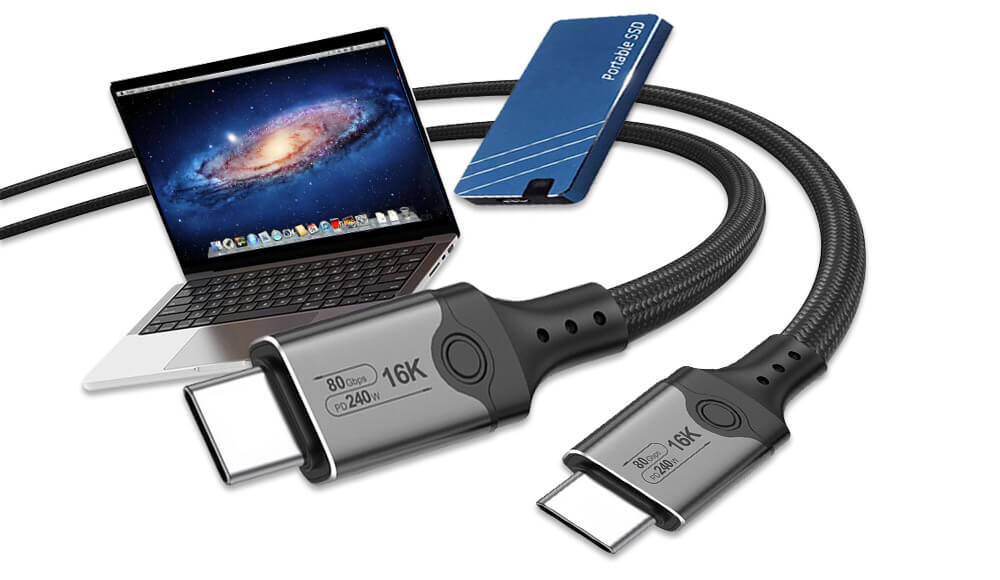
USB5 Cables Wholesale High speed charging and data transfer USB-C cables

USB5 Cables Wholesale High speed charging and data transfer USB-C cables

Understanding USB Cables Standards and Generations

The Evolution of USB Specifications

USB technology has progressed through several generations, each bringing significant improvements in speed and functionality. The USB-IF (USB Implementers Forum), the governing body behind USB standards, has developed specifications that have transformed how we interact with our devices.

USB 1.x started the revolution with two variants: USB 1.0 Low-Speed at 1.5 Mbps and USB 1.1 Full-Speed at 12 Mbps. While these speeds seem primitive by today’s standards, they represented a major step forward in peripheral connectivity at the time.

The USB 2.0 standard, introduced in 2000, marked a substantial leap with Hi-Speed capability reaching 480 Mbps. This version became the workhorse of the industry for over a decade and remains common in many devices today, particularly for basic charging and peripheral connections.

USB 3.x generations brought super-speed capabilities to the market. USB 3.0 (later renamed USB 3.1 Gen 1) offered 5 Gbps transfers, while USB 3.1 Gen 2 doubled this to 10 Gbps. The USB 3.2 standard further expanded capabilities, with Gen 2×2 reaching 20 Gbps by utilizing two lanes of data transmission.

The current pinnacle of USB technology is USB4, which builds upon Thunderbolt 3 technology to deliver speeds up to 40 Gbps. USB4 also introduces better resource allocation for video, data, and power delivery through its tunneling architecture.

Key USB CABLES Technologies and Protocols

Beyond raw speed specifications, several key technologies define modern USB CABLES capabilities:

USB Power Delivery (USB-PD) is a sophisticated charging protocol that enables higher power levels (up to 240W with USB PD 3.1) and bidirectional power flow. This means the same cable can charge your laptop and then be used to charge your phone from your laptop’s battery.

USB Battery Charging (USB-BC) was an earlier charging specification that allowed for higher current than standard USB 2.0, while USB-C Current refers to the ability of USB-C cables to handle up to 5A of current natively.

The introduction of Alternate Modes in USB-C cables enables other protocols like DisplayPort, HDMI, and Thunderbolt to operate over the USB-C connector, transforming a simple data cable into a multi-purpose connectivity solution.

Comprehensive Guide to USB Connector Types

Traditional USB CABLES Connectors

USB Type-A is the rectangular connector that most people recognize as “USB.” It has been the standard host connector for computers, chargers, and hubs for decades. While the shape has remained consistent, the internal connectors have evolved to support newer standards, with USB 3.0 Type-A ports featuring additional pins visible as blue plastic inserts.

USB Type-B connectors are typically found on peripheral devices like printers, scanners, and external hard drives. Their squarish shape with beveled corners was designed to prevent confusion with Type-A ports. The USB 3.0 Type-B variant features an additional top section to accommodate the extra data lines needed for SuperSpeed transfer.

Mini-USB was once the standard for mobile devices, digital cameras, and portable hard drives before being largely superseded by Micro-USB. The Mini-USB connector is characterized by its 5-pin design and durability issues after repeated use.

Micro-USB became the universal charging solution for Android devices for nearly a decade and is still found in many budget phones, Bluetooth devices, and other electronics. Its slim design was better suited for increasingly thin mobile devices, though it shares similar durability concerns to Mini-USB.

USB C CABLES: The Modern Standard

USB-C represents a fundamental rethinking of USB connectivity. Its slim, reversible 24-pin connector eliminates the frustration of trying to insert the cable correctly. But beyond convenience, USB-C delivers unprecedented capabilities:

  • Reversible design for hassle-free insertion

  • Higher power delivery (up to 240W with USB PD 3.1 EPR)

  • Support for Alternate Modes including DisplayPort, HDMI, and Thunderbolt

  • Native support for USB4 and backward compatibility with previous standards

  • Dual-lane operation for doubled data transfer speeds

The versatility of USB-C has made it the connector of choice for modern devices from smartphones to laptops, and it’s steadily becoming the universal standard for all electronics.

Specialized and Legacy Connectors

Beyond the common types, several specialized USB connectors serve particular markets:

USB Micro-B SuperSpeed features a two-part design that maintains compatibility with standard Micro-B while adding additional contacts for USB 3.0 data transfer. This connector is commonly found on external hard drives.

USB On-The-Go (OTG) connectors, typically Micro-USB or USB-C with special wiring, enable mobile devices to act as hosts, allowing you to connect peripherals like flash drives, keyboards, or controllers directly to your phone or tablet.

Proprietary connectors like Apple’s Lightning connector, while not official USB standards, are worth mentioning as they often work alongside USB technology for charging and data transfer in Apple’s ecosystem.

USB Cables Capabilities and Performance

Data Transfer Speeds Compared

Table: USB Data Transfer Standards and Speeds

USB Standard Theoretical Maximum Speed Real-World Typical Speed Common Applications
USB 2.0 480 Mbps 30-40 MB/s Keyboards, mice, basic charging
USB 3.2 Gen 1 5 Gbps 400-500 MB/s External HDDs, flash drives
USB 3.2 Gen 2 10 Gbps 800-1000 MB/s SSDs, high-speed backups
USB 3.2 Gen 2×2 20 Gbps 1.5-2 GB/s High-performance storage
USB4 40 Gbps 2.5-3.5 GB/s Docking stations, professional gear

Power Delivery Capabilities

Charging capabilities vary significantly across USB standards and connector types:

Standard USB 2.0 cables typically support up to 2.5W (5V/0.5A), sufficient for slow charging of phones and powering small peripherals.

USB 3.0 increased this to 4.5W (5V/0.9A), while the USB Battery Charging specification allowed for up to 7.5W (5V/1.5A).

The true revolution came with USB Power Delivery and USB-C, which initially supported up to 100W (20V/5A). The latest USB PD 3.1 Extended Power Range (EPR) specification dramatically expands this to 240W (48V/5A), enabling even power-hungry devices like gaming laptops and professional monitors to be powered through a USB-C cable.

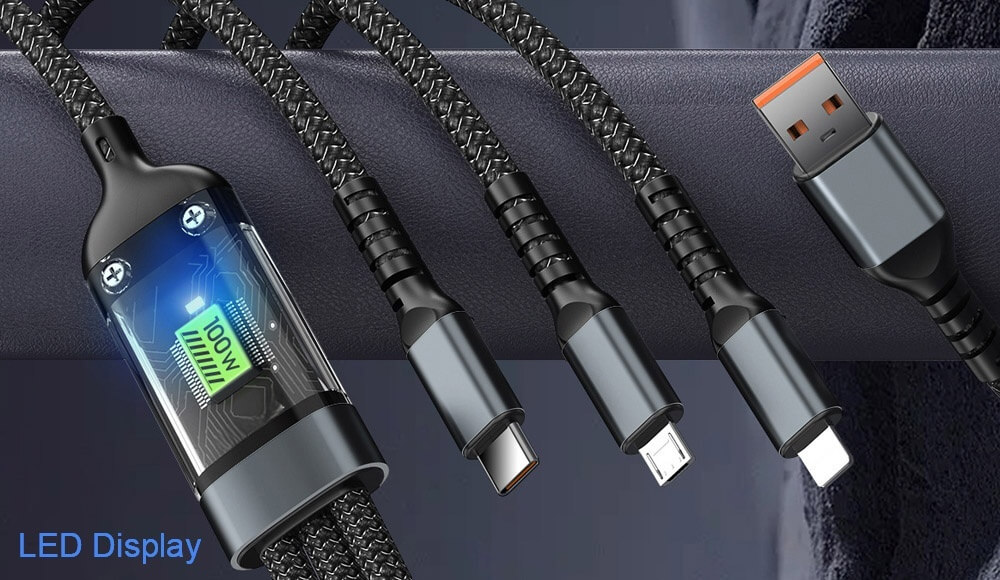
100W Multiple USB Cords Wholesale

100W Multiple USB Cords Wholesale

Video and Alternate Modes

USB-C’s Alternate Mode capability allows non-USB signals to be transmitted through the USB-C connector and cable. The most common implementations include:

DisplayPort Alternate Mode enables direct connection to monitors and displays with support for high-resolution outputs including 8K video.

HDMI Alternate Mode allows compatibility with the widespread HDMI ecosystem without requiring adapters.

Thunderbolt 3/4 represents the most capable implementation, integrating PCI Express data transfer with DisplayPort video and power delivery through a single USB-C connector.

Choosing the Right USB Cables

Matching Cables to Your Needs

Selecting the appropriate USB cable requires considering your specific use case:

For basic charging of phones and small electronics, even an older USB 2.0 cable may suffice, though charging times will be longer.

Fast charging modern smartphones requires cables that support higher currents (3A) and proper USB Power Delivery negotiation.

Data transfer needs dictate different requirements: moving occasional documents might be fine with USB 2.0, while transferring large video files or backing up data benefits dramatically from USB 3.2 Gen 2 or higher.

Video applications demand USB-C cables with DisplayPort or Thunderbolt support, with passive cables suitable for most uses but active cables necessary for longer runs or higher resolutions.

Quality and Certification Considerations

With the proliferation of USB cables, quality has become a significant concern. Look for USB-IF certification logos that guarantee compliance with standards. Certified cables undergo rigorous testing to ensure they meet specifications for performance and safety.

Beware of cheap, uncertified cables that may not properly implement specifications, potentially leading to slow charging, data corruption, or even damage to your devices. Reputable brands typically provide better construction, shielding, and durability.

When selecting USB-C cables in particular, pay attention to the supported capabilities, as not all USB-C cables are created equal. Some may support only USB 2.0 data speeds despite having a USB-C connector, while others may implement full USB4/Thunderbolt capabilities.

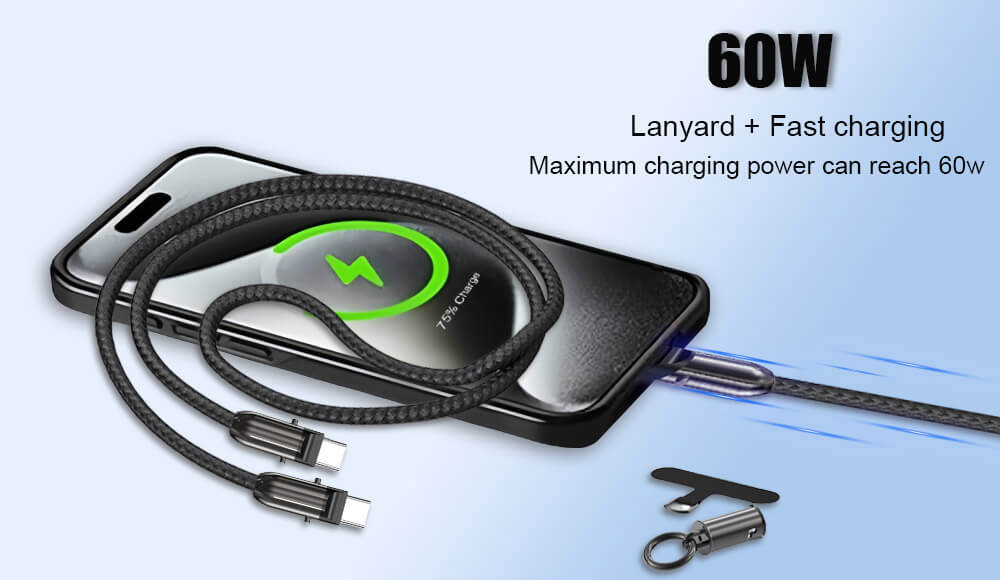
Anti-lost lanyard with USB C charging

Anti-lost lanyard with USB C charging

The Future of USB Cables Technology

USB CABLES Emerging Standards and Applications

The USB ecosystem continues to evolve, with several developments shaping its future:

USB4 Version 2.0, announced in 2022, promises up to 80 Gbps data transfer speeds, with the potential for even higher rates (up to 120 Gbps) in asymmetric configurations. This will further blur the lines between data transfer, video display, and peripheral connectivity.

The expansion of USB Power Delivery to 240W enables a truly universal power standard that can accommodate nearly all portable electronics, potentially eliminating the need for proprietary power bricks even for high-performance laptops and workstations.

Wireless USB technologies continue to develop, though they have yet to achieve the reliability and performance of wired connections for most applications.

The Path Toward True Universality

The long-term trend in USB technology points toward consolidation around USB-C as the universal physical connector, with intelligent negotiation handling the varying capabilities of different devices and cables. This vision of a truly universal cable that works for everything from earbuds to laptops is gradually becoming reality, though the transition period continues to present compatibility challenges.

As the ecosystem matures, we can expect better labeling, more consistent implementation of standards, and increased consumer education to help navigate the remaining complexities of USB connectivity.

Conclusion

Understanding USB cord types is no longer just technical knowledge—it’s essential practical information for anyone who uses electronic devices. From the legacy USB-A that started it all to the versatile USB-C that represents the future, each connector type and standard serves specific purposes in our connected ecosystem.

The key takeaways are simple: USB-C is becoming the universal standard for good reason, offering reversibility, high-speed data transfer, powerful charging capabilities, and video support all through one connector. However, older USB standards will remain in use for years to come, making an understanding of compatibility and capabilities increasingly valuable.

By choosing the right USB cable for each application—whether it’s basic charging, fast data transfer, or video display—you can ensure optimal performance, protect your devices, and simplify your digital life. As USB technology continues to evolve toward faster speeds and greater capabilities, this knowledge will only become more valuable in navigating our wirefully connected world.

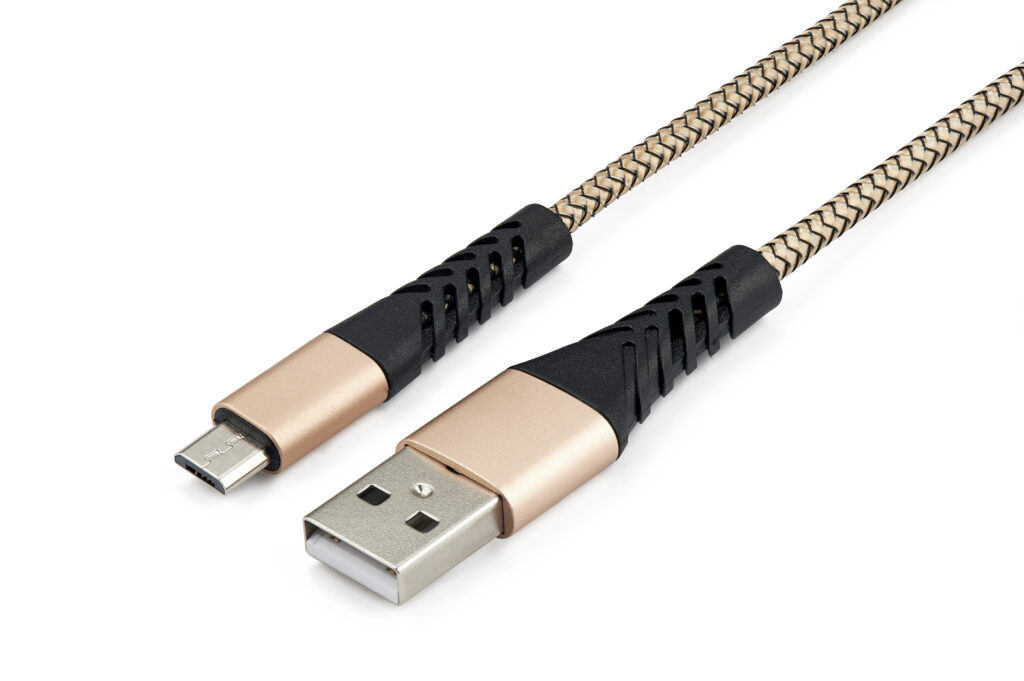
USB A data cable is still in your drawer?

USB A data cable wholesale

USB A data cable wholesale

Do you still recognize this cable? yeah, it is the USB A cable. It may be the first data cable you may get for charge and data transfer.

Most of people are using a high capacity battery smart phone now with a quick charger. So, leave these old used data cables in memories? I think not.

You can make these data cables for –

  1. Data cable for old smart phones. I kept my former smart phone in drawer for backup. When there comes my 3rd smart phone, I will denote or sell the first backup smart phone. But, most of the time, I need to charge the backup smart phone when it is in drawer. So, the data cable is a good tool.
  2. It still works with the phone you are using if the connector is good. Take iPhone for example. You can use the iphone data cable from iPhone 5 to current iPhone 14! No worry about the charging speed. You get time! Because it is a backup iPhone for emergency only!
  3. Charge for bluetooth or other low currency devices. Your bluetooth needs a good cable to work with. Sure, it is with your some of your wireless charger. Go and use your cable for that even you still keep the original USB cable.
  4. Charge your power banks. You may buy a up-to-date power bank with high capacity and/or with wireless charger. This cable may be good enough for your power bank if the connector is good to work with!
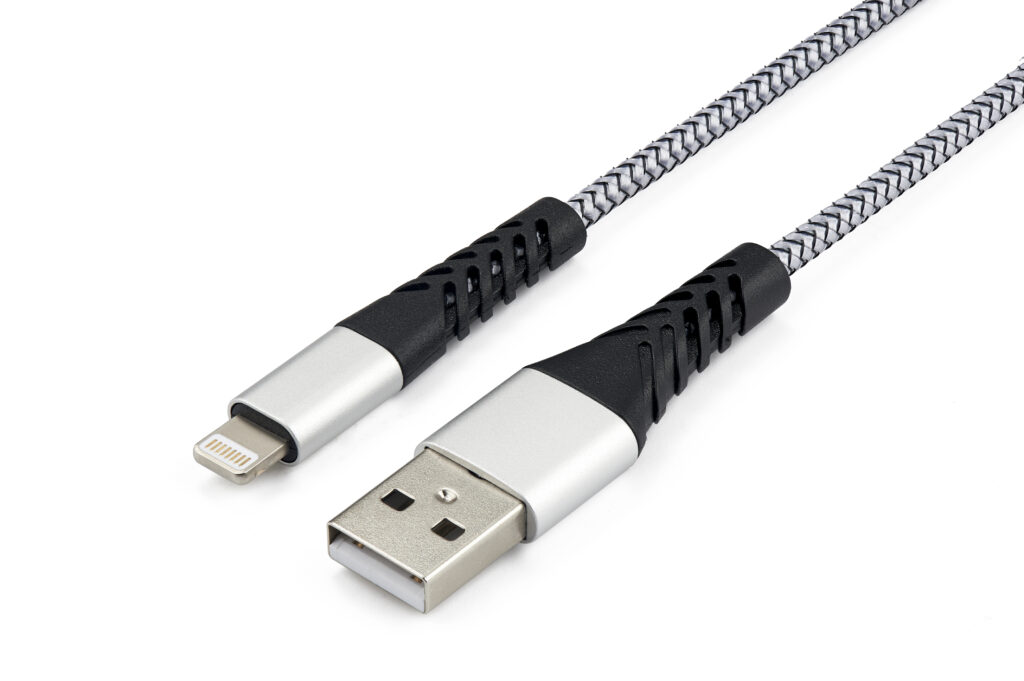
Quality Smart Phone Data Cable iPhone Android

Quality Smart Phone Data Cable iPhone Android

Check the latest smart phone accessories, parts and repair tools with us! With more than a decade of experience in phone accessories, we ship to more than 30 countries and 1 million PCS monthly! Reasonable price, rapid delivery time and high efficient production system will be our key advantages in our business.

Travel with our multi USB cable for all Phone connectors

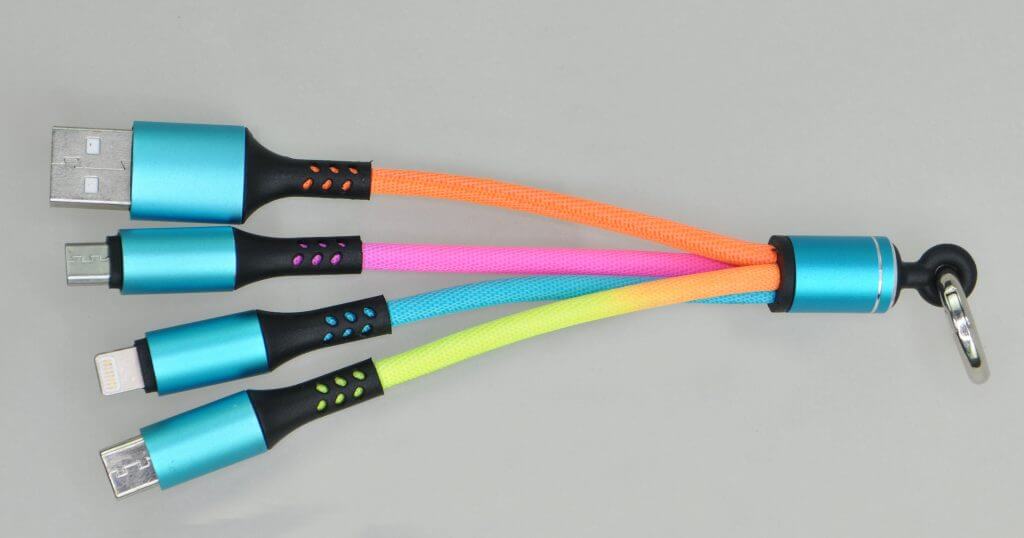
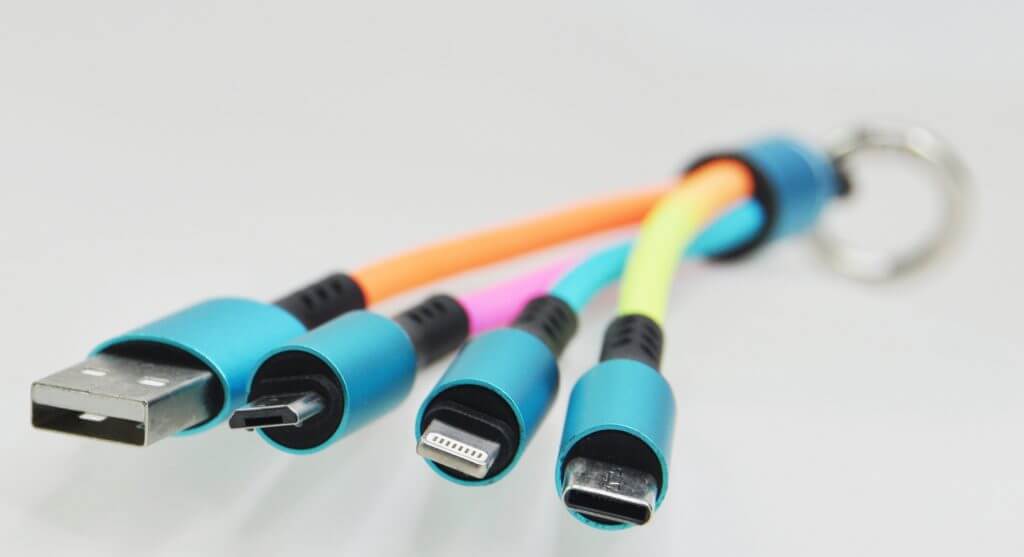
A multi USB cable with USB A input and 3 other connectors output – Micro, Lightning and Type C. This USB cable is good for almost all phones! It is a combination for all phone cables.

This USB cable is convenient to carry. It is a short one and very easy to put in your bag, accessories holder or even put it with your keys.

Up to 2A currency will give your phone a fast charge. It can meet most of the phone currency requirement for cable.

Durable, high speed and combination for Lightning, Micro and Type C USB data cables. It will give you excellent charging experience when at travel, home or even in office!

Multi USB cables

Multi USB cables

Multi USB cables
Type C, Lightning and Micro 3-in-1 USB data cables

Type C, Lightning and Micro 3-in-1 USB data cables

Type C, Lightning and Micro 3-in-1 USB data cables
Multi USB cables whoelsale

Multi USB cables whoelsale

USB cable with Micro, Type C and Lightning

Welcome USB data cable suppliers, sales or wholesales contact lider for more info.