The Ultimate Guide: How to Check If You’re Buying a Good Charger

Introduction: Why USB Phone Charger Quality Matters

In today’s device-driven world, a good charger isn’t just a convenience—it’s essential for device longevity, safety, and performance. Poor quality chargers can damage your expensive electronics, pose fire hazards, or simply fail to deliver promised charging speeds. With various standards like Power Delivery (PD), Quick Charge (QC), and Gallium Nitride (GaN) technology entering the market, knowing how to evaluate charger quality has become increasingly important.

This comprehensive guide will walk you through exactly how to check if a charger is good, covering everything from safety certifications to performance benchmarks. Whether you’re buying for personal use or considering PD Chargers wholesale, QC chargers wholesale, or GaN chargers wholesale for business purposes, these principles will help you make informed decisions that protect both your devices and your investment.

Step 1: Verify Safety Certifications and Compliance

The most critical aspect of any charger is its safety, which begins with proper certifications. These certifications indicate that the charger has undergone rigorous testing by independent organizations.

Essential Safety Certifications:

  • UL (Underwriters Laboratories): A highly respected U.S.-based safety certification

  • CE (Conformité Européenne): Indicates compliance with European health, safety, and environmental standards

  • FCC (Federal Communications Commission): Ensures electromagnetic interference is within safe limits

  • RoHS (Restriction of Hazardous Substances): Confirms the charger doesn’t contain harmful materials like lead or mercury

What to Look For:
Always check the charger body for certification marks. Genuine certifications will have specific markings, not just logos printed on the packaging. For wholesale purchases, especially when considering GaN chargers wholesale or PD Chargers wholesale, request documentation proving these certifications. Reputable manufacturers will provide test reports and certification numbers you can verify online.

Step 2: Check Power Specifications and Standards

Understanding power specifications helps ensure compatibility with your devices and optimal charging performance.

Key Specifications to Examine:

Output Standards:

  • Power Delivery (PD): A universal fast-charging standard that allows devices and chargers to negotiate optimal voltage and current. Essential for modern laptops, tablets, and smartphones.

  • Quick Charge (QC): Qualcomm’s fast-charging technology, particularly common in Android devices. Various versions exist (QC 2.0, 3.0, 4+, 5), each with different capabilities.

  • PPS (Programmable Power Supply): An advanced feature allowing fine-tuned voltage adjustments for more efficient charging and reduced heat generation.

Voltage and Current Ratings:
Check that the charger provides appropriate voltage (typically 5V, 9V, 12V, 15V, or 20V for PD chargers) and sufficient current (measured in amps) for your devices. Higher wattage chargers (like 65W or 100W) can charge more powerful devices like laptops.

Gallium Nitride (GaN) Technology:
GaN chargers use gallium nitride instead of traditional silicon, allowing for smaller, more efficient chargers that generate less heat. When evaluating GaN chargers wholesale, verify they truly use GaN technology rather than just marketing claims.

Step 3: Evaluate Build Quality and Design

Physical inspection reveals much about a charger’s quality and durability.

Exterior Construction:

  • Look for sturdy materials without sharp edges or seams

  • Check for a solid, well-finished feel without creaking or flexing

  • Inspect ports for tight, secure connections without excessive wiggle

Cable and Port Quality:

  • For USB-C chargers, ensure the port includes a 56kΩ pull-up resistor (essential for safety)

  • Check that cables (if included) are durable with reinforced stress points

  • Verify that ports are securely mounted to the circuit board

Thermal Management:
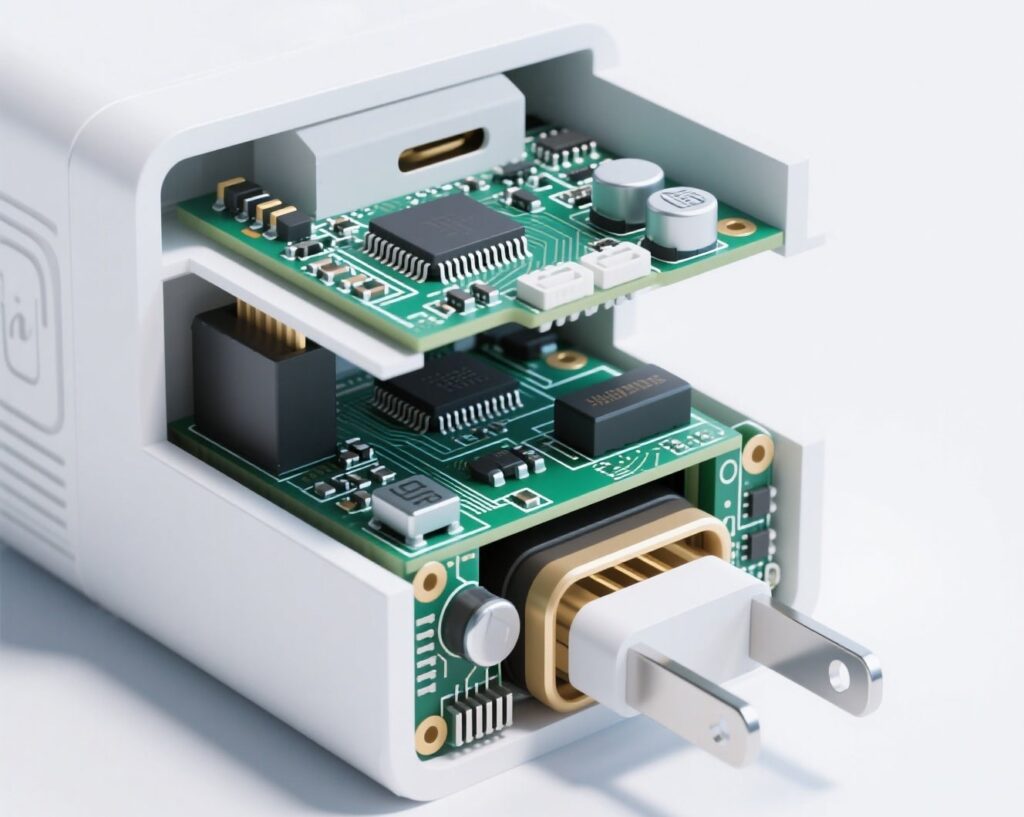
Quality chargers include proper heat dissipation mechanisms. GaN chargers should run particularly cool compared to traditional designs.

Weight and Size:
While not definitive, unusually light chargers may indicate substandard components or missing safety elements. When considering QC chargers wholesale or other bulk purchases, request samples to physically inspect before committing to large orders.

Step 4: Research Brand Reputation and Reviews

Brand reputation offers valuable insights into charger quality and manufacturer reliability.

Established vs. Unknown Brands:
Established brands have more to lose from selling unsafe products and typically invest more in quality control and customer support. However, some newer brands specializing in GaN chargers wholesale may offer innovative products at competitive prices.

Review Analysis:
Look beyond star ratings to read detailed reviews mentioning:

  • Long-term durability and performance

  • Actual charging speeds with specific devices

  • Heat generation during use

  • Customer service experiences for defective products

Professional Testing:
Technology websites and YouTube channels often conduct in-depth charger testing using specialized equipment. These reviews provide objective performance data beyond marketing claims.

Step 5: Consider Your Specific Device Needs

A “good” charger depends largely on what you need to charge.

Device Compatibility:

  • Apple devices: Prioritize PD-certified chargers

  • Samsung devices: Look for PPS support alongside PD

  • Gaming phones: May benefit from specialized standards like Qualcomm’s Quick Charge

  • Laptops: Require higher wattage PD chargers (typically 45W+)

Multi-Device Charging:
If you need to charge multiple devices simultaneously, consider total power distribution. A 100W charger with multiple ports might only deliver 65W to one port and split the remainder among others.

Portability Requirements:
For travel, smaller GaN chargers offer significant space savings. When evaluating PD Chargers wholesale for resale, consider offering different sizes and port configurations to meet various customer needs.

Special Considerations for Wholesale Purchasing

Wholesale purchasing introduces additional factors to consider for both business viability and customer safety.

Verification for Bulk Orders:

  • Request detailed specifications sheets for all models

  • Ask for certification documents specific to the production batch

  • Consider third-party testing for large orders, especially when exploring new QC chargers wholesale suppliers

Minimum Order Quantities (MOQs):
Balance quantity discounts against inventory risk. Start with smaller test orders when working with new suppliers, even if per-unit costs are slightly higher.

Warranty and Support:

  • Clarify warranty terms for wholesale purchases

  • Establish procedures for handling defective units

  • Determine who handles customer warranty claims

Customization Options:
Many wholesale suppliers offer branding opportunities. Ensure any customization doesn’t void certifications or compromise safety features.

How to Test Charger Performance

Once you have a charger, several tests can verify its performance.

Basic Functionality Test:

  1. Visually inspect for physical damage

  2. Check that all ports work with various cables

  3. Monitor heat generation during use (should be warm, not hot)

  4. Listen for unusual buzzing or crackling sounds

Performance Benchmarks:

  • Use a USB power meter to measure actual voltage and current output

  • Time how long it takes to charge specific devices from 0% to 50%, 80%, and 100%

  • Test with different cable combinations as cable quality affects performance

Compatibility Testing:

  • Verify the charger works with all your devices

  • Check that fast-charging protocols activate properly

  • Test simultaneous multi-device charging

Red Flags: What to Avoid

Certain warning signs indicate potentially dangerous or poor-quality chargers.

Safety Red Flags:

  • Missing or suspicious certification markings

  • Incorrect pin configurations for your region

  • Excessive heat during normal use

  • Buzzing, crackling, or burning smells

Performance Warning Signs:

  • Significantly slower charging than advertised

  • Inconsistent charging (frequently connecting/disconnecting)

  • Interference with nearby electronics like speakers or radios

Packaging and Marketing Red Flags:

  • Vague or exaggerated claims without specifics

  • Poor quality packaging with spelling errors

  • Lack of manufacturer contact information

  • Prices dramatically lower than comparable products

Conclusion: Making the Right Choice

Identifying a good charger requires attention to safety, performance, compatibility, and build quality. By following this systematic approach—verifying certifications, understanding specifications, evaluating construction, researching reputation, and testing performance—you can confidently select chargers that safely and efficiently power your devices.

For businesses considering PD Chargers wholesale, QC chargers wholesale, or GaN chargers wholesale, these evaluation principles become even more critical as your choices affect not only your business reputation but potentially customer safety. Always prioritize certified products from reputable manufacturers, even at slightly higher costs, as the potential consequences of selling unsafe chargers far outweigh any short-term savings.

Remember that charger technology continues to evolve. Stay informed about emerging standards and innovations while maintaining a focus on the fundamentals of safety and reliability that never go out of style. With careful evaluation and ongoing education, you can ensure that every charger you purchase or sell meets the highest standards of quality and performance.


The Ultimate Guide to Buying the Best Travel Charger for Phones and Laptops in 2026

Gan Travel Chargers

Gan Travel Chargers

Introduction: Why Your Old Travel Charger Isn’t Cut Out for Travel

Picture this: You’re in a crowded airport during a layover, your laptop battery is at 5%, and your phone isn’t far behind. You scramble for an outlet, only to find you’ve packed a tangle of slow, bulky travel chargers that take forever to power one device, let alone all of them. This modern travel nightmare is entirely avoidable.

The right travel charger is no longer a luxury; it’s a necessity. It’s the command center for your digital life on the road, capable of juicing up your smartphone, laptop, tablet, and headphones simultaneously, quickly, and safely—all from a single, compact device that fits in your pocket.

This comprehensive guide will walk you through everything you need to know to invest in a perfect travel charger for your needs, covering key specs, crucial features, and top recommendations to ensure you never face a dead device again.

Chapter 1: Understanding the Core Specifications of Travel Charger

Before you buy, you need to speak the language. These technical terms define a charger’s capability.

1. Wattage (W): The Powerhouse Metric

Wattage is the most critical factor determining charging speed. Simply put, higher wattage = faster charging, but only if your device can handle it.

  • Phones (iOS & Android): Most modern smartphones support fast charging between 20W and 45W. A 20W charger will fill an iPhone much faster than the old 5W brick.

  • Tablets: Typically require 30W to 45W for optimal charging.

  • Laptops: This is where power needs jump. Most modern ultrabooks (MacBook Air, Dell XPS 13) need at least 45W-65W. Larger notebooks and gaming laptops may require 100W or more.

Pro Tip: For a future-proof charger that can handle a laptop and other devices, aim for a minimum of 65W. If you’re a power user with a high-performance laptop, look for 100W+.

2. USB Power Delivery (PD): The Universal Fast-Charging Standard

USB Power Delivery (USB-PD) is a universal fast-charging protocol that allows for higher power transfer over USB-C connections. It’s what enables a small charger to power a large laptop.

  • Why it matters: USB-PD is the standard for modern MacBooks, Windows ultrabooks, iPads, and high-end Android phones. If your charger and device both support USB-PD, they will negotiate the fastest possible charging speed.

  • Look for it: Ensure any charger you buy prominently features “USB Power Delivery” support.

3. Ports: Quantity and Type

The number and type of ports determine how many devices you can charge at once.

  • USB-C Ports: These are essential. Look for chargers with multiple USB-C ports, as they are used for high-speed data transfer and high-wattage charging. This is where your laptop will plug in.

  • USB-A Ports: While older, these are still useful for charging older devices like Bluetooth headphones, some fitness trackers, or for using older cables. A good travel charger should have at least one.

Aim for a charger with 2-3 ports minimum (e.g., 2x USB-C + 1x USB-A) to avoid carrying multiple chargers.

Chapter 2: Must-Have Features for the Modern Traveler

Beyond the basic specs, these features separate good chargers from great ones.

1. GaN Technology: Smaller, Cooler, and More Efficient

Gallium Nitride (GaN) is a revolutionary semiconductor material that has transformed charger design.

  • Smaller Size: GaN chargers are significantly smaller and lighter than traditional silicon-based chargers with the same power output. This is a game-changer for travel.

  • Greater Efficiency: They waste less energy as heat, meaning they run cooler and are often more reliable.

  • The Verdict: In 2025, always choose a GaN charger. The price difference is minimal, and the benefits for a traveler are enormous.

2. Compact and Foldable Design

A travel charger should be, above all, travel-friendly. A foldable plug (like those from Anker or Ugreen) is a brilliant feature that protects your bag and other items from getting scratched. Compactness ensures it doesn’t block adjacent outlets in crowded airport charging stations.

3. PPS Support: The Smart Charging Protocol

PPS (Programmable Power Supply) is an advanced protocol within the USB-PD 3.0 standard. It allows for minute adjustments in voltage, which increases efficiency and reduces heat generation. This is particularly important for Samsung Galaxy smartphones (like the S-series), which use PPS for their super-fast charging (45W). If you’re an Android user, look for PPS support.

4. International Compatibility (Voltage & Plug Adapters)

A true travel charger must work anywhere.

  • Input Voltage: Ensure it supports 100-240V input voltage. This is standard for most quality chargers and means it will work seamlessly with any voltage from the U.S. to Europe to Asia without a bulky separate voltage converter.

  • Interchangeable Plugs: Some advanced travel chargers (like the Zendure Passport) come with built-in, swappable plugs for US, EU, UK, and AUS outlets. This is incredibly convenient, eliminating the need for separate plug adapters.

Compact GaN Tech charger

Compact GaN Tech charger

Chapter 3: Safety and Reliability: Don’t Cut Corners

A cheap, uncertified charger can fry your $2,000 laptop. Never compromise on safety.

  • Certifications: Look for safety certifications like UL (Underwriters Laboratories), ETL, CE or other?. These indicate the product has been tested and meets specific safety standards.

  • Protections: Quality chargers include built-in protections against:
  • Overheating
  • Overcurrent
  • Overvoltage
  • Short circuits
  • Brand Reputation: Stick with reputable brands known for quality and customer service, such as Anker, Spigen, Satechi, Trunker, and Belkin. Their products may cost slightly more but offer peace of mind.

Chapter 4: Top Travel Charger Recommendations for 2025

Here are some top-tier options categorized by use case:

Product ExampleWattageKey FeaturesBest For
Anker 735 Charger (GaNPrime 65W)65W3 ports (2xC, 1xA), GaN II tech, compact foldable plugThe all-rounder: perfect for a MacBook Air/Pro and two other devices.
Ugreen Nexode 100W Charger100W3 ports (2xC, 1xA), GaN tech, PPS support, foldable plugPower users with a high-wattage laptop who need to charge multiple devices fast.
Zendure Passport III65W2 ports (1xC, 1xA), Built-in int’l plugs (US/EU/UK/AUS), GaNThe frequent international flyer who wants an all-in-one solution.
Anker 313 Charger (PowerPort III 20W)20WSingle USB-C port, incredibly compact and affordableThe minimalist traveler who only needs to fast-charge a phone.
Lider Travel Charger

Lider Travel Charger

Chapter 5: Putting It All Together: Your Buying Checklist

Before you click “buy,” run through this checklist:

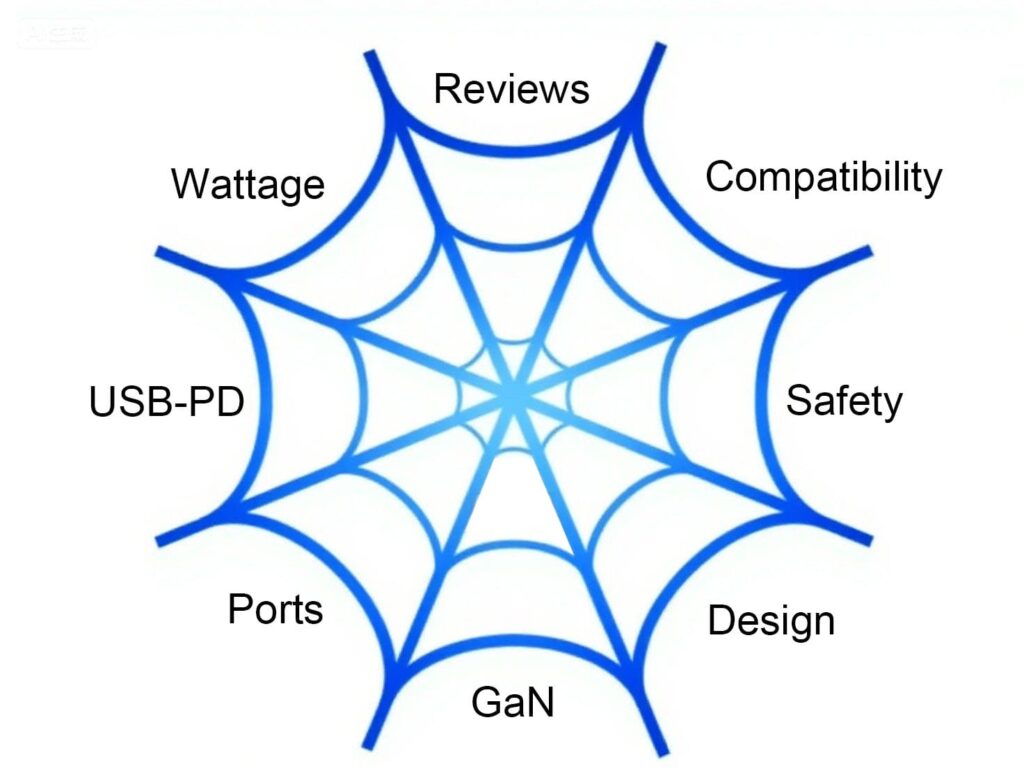
  1. ✅ Wattage: Does it have enough power for my laptop (at least 65W) and devices?

  2. ✅ USB-PD: Does it support USB Power Delivery for fast laptop charging?

  3. ✅ Ports: Does it have enough ports (USB-C and USB-A) for all my gear?

  4. ✅ GaN: Is it made with GaN technology for a smaller size?

  5. ✅ Design: Is it compact with a foldable plug?

  6. ✅ Safety: Does it have necessary certifications (UL, ETL, CE or other)?

  7. ✅ Compatibility: Does it support 100-240V for international travel?

  8. ✅ Reviews: Have I checked verified customer reviews for real-world performance?

More to check

More to check

Conclusion: Invest in Your Connectivity

Your travel charger is the unsung hero of your go-bag. Choosing the right one—a powerful, compact, safe, and versatile GaN charger with multiple ports—will transform your travel experience. It declutters your bag, reduces your stress, and, most importantly, keeps you connected to the world, your work, and your loved ones, no matter where your journey takes you.

Ditch the bundle of old chargers and make the upgrade. Your future self, calmly working on a fully charged laptop while everyone else scrambles for an outlet, will thank you.

Ready to find your perfect travel charger? Use the guide and checklist above to compare top-rated models on Amazon or your favorite electronics retailer today!

Meeting B2B Demand: The Strategic Advantages of Travel Chargers and USB-C Cables Wholesale

The global market for mobile accessories is experiencing unprecedented growth, driven by the proliferation of smartphones, tablets, and IoT devices. For B2B buyers, sourcing high-quality travel chargers wholesale and USB-C cables wholesale has become a critical component of staying competitive. This article explores the value of partnering with reliable USB chargers suppliers and USB cables wholesale suppliers, emphasizing product quality, market trends, and procurement strategies tailored to business needs.

USB C cables wholesale

USB C cables wholesale


The Rising Demand for USB-C Technology

USB-C has emerged as the universal standard for charging and data transfer, offering faster speeds, reversible connectors, and compatibility across devices. For B2B buyers, stocking USB-C cables wholesale ensures alignment with consumer preferences and future-proof inventory. Suppliers specializing in USB-C products often provide PD (Power Delivery) chargers capable of powering laptops, gaming consoles, and other high-wattage devices, making them indispensable for tech-centric retailers.

Partnering with USB cables wholesale suppliers that prioritize certification (e.g., USB-IF, MFi) guarantees compliance with safety and performance standards. This reduces return rates and builds brand trust, particularly for resellers targeting corporate clients or international markets with strict regulatory requirements.


Travel Chargers: Compact Solutions for Modern Consumers

The travel accessories sector is booming, with consumers prioritizing portability and multi-device compatibility. Travel chargers wholesale offerings now include compact GaN (gallium nitride) chargers, which deliver high power output in smaller form factors. These products appeal to frequent travelers, remote workers, and hospitality providers seeking bulk purchases.

Leading USB chargers suppliers often provide customizable options, such as branded packaging or regional plug configurations, enabling resellers to differentiate their inventory. Additionally, multi-port chargers (e.g., 65W 3-port adapters) cater to the growing demand for all-in-one solutions, reducing clutter and enhancing user convenience.


Key Considerations When Choosing USB Chargers Suppliers

Selecting the right USB chargers suppliers requires a focus on reliability, scalability, and compliance. Key factors include:

  • Certifications: Look for UL, CE, or RoHS certifications to ensure product safety.
  • MOQ Flexibility: Suppliers offering low minimum order quantities (MOQs) allow startups to test markets without overcommitting.
  • Lead Times: Opt for vendors with regional warehouses to minimize shipping delays.

Established USB cables wholesale suppliers often provide comprehensive support, including product training, marketing collateral, and warranty management. This streamlines inventory planning and fosters long-term partnerships.


Cost Efficiency in Bulk Procurement

Wholesale purchasing significantly reduces per-unit costs, particularly for high-volume orders. USB-C cables wholesale suppliers frequently offer tiered pricing, incentivizing larger orders with discounts of 10–30%. Similarly, travel chargers wholesale buyers can negotiate bundled deals for mixed SKUs (e.g., combining chargers with cables).

B2B buyers should also evaluate total cost of ownership (TCO), factoring in durability and warranty terms. Premium cables with reinforced connectors or braided nylon may have higher upfront costs but lower long-term replacement expenses.


Sustainability: A Growing Priority

Eco-conscious consumers are driving demand for sustainable accessories. Forward-thinking USB chargers suppliers now offer products made from recycled materials or featuring energy-efficient technologies. Similarly, USB cables wholesale suppliers are adopting biodegradable packaging and reduced-plastic designs.

B2B buyers can leverage these initiatives to align with corporate sustainability goals and attract environmentally aware clients. Certifications like Energy Star or EPEAT further enhance marketability.


Navigating Market Trends and Innovations

Staying ahead in the competitive accessories market requires agility. Key trends include:

  • Wireless Charging Integration: Some travel chargers now combine USB-C ports with Qi wireless pads.
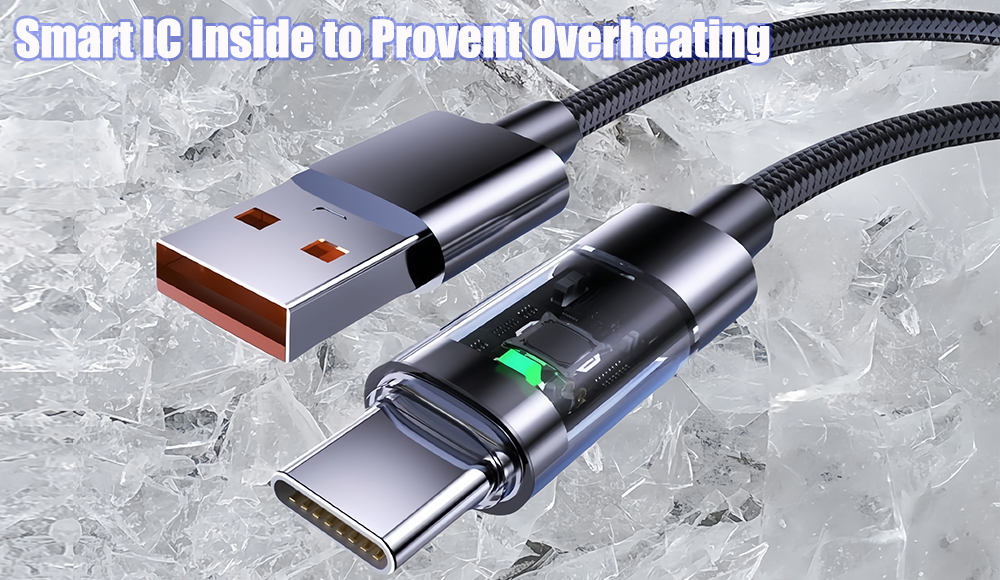
  • Smart Cables: USB-C cables with built-in power meters or auto-shutoff features.
  • Regional Compliance: Adapters meeting EU, UK, or US plug standards.

Proactive USB cables wholesale suppliers often provide trend forecasts and product roadmaps, helping buyers anticipate shifts in demand.


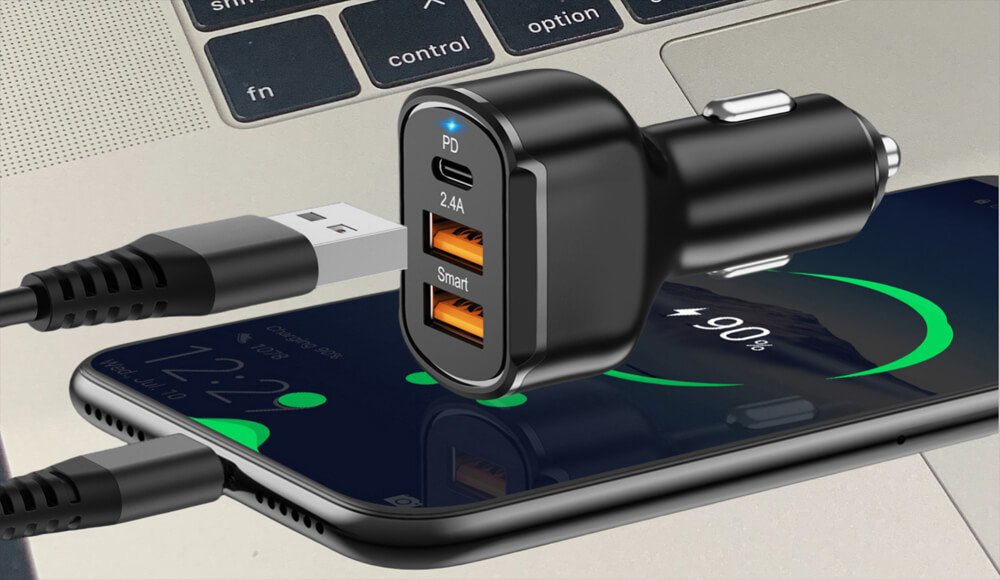
3 Ports USB Car Chargers Wholesale

3 Ports USB Car Chargers Wholesale

Building Trust Through Quality Assurance

Product reliability is non-negotiable for B2B partnerships. Reputable USB chargers suppliers conduct rigorous testing for overcharge protection, temperature control, and voltage stability. Similarly, USB cables wholesale suppliers should verify data transfer speeds (e.g., USB 3.1 Gen 2 for 10Gbps performance) and tensile strength.

Third-party lab reports and sample testing programs enable buyers to validate quality before bulk orders, minimizing risk.


Customization Opportunities for Brand Differentiation

White-label and OEM services are critical for resellers aiming to build brand loyalty. Many USB chargers suppliers offer logo engraving, custom color options, or exclusive packaging designs. For USB-C cables wholesale, options like custom cable lengths or connector coatings (e.g., gold-plated) add premium appeal.

Customization not only enhances margins but also creates barriers to entry for competitors.


The Role of Digital Platforms in Wholesale Procurement

Online B2B marketplaces like Alibaba, Thomasnet, and Faire have simplified sourcing from global USB cables wholesale suppliers. These platforms provide transparent pricing, supplier reviews, and secure payment gateways. Additionally, suppliers with robust e-commerce portals enable real-time inventory tracking and automated reordering.


Conclusion: Strategic Partnerships Drive Success

For B2B buyers, selecting the right USB chargers suppliers and USB cables wholesale suppliers is a strategic decision that impacts profitability and customer satisfaction. By prioritizing certified products, cost efficiency, and innovation-driven partnerships, businesses can capitalize on the growing demand for USB-C and travel charging solutions. As the market evolves, suppliers offering agility, sustainability, and customization will remain indispensable allies in a competitive landscape.

What is the Best Travel Charger? Words from a manufacturer

Travel Chargers are essential when we use Mobile Phones and Electronic devices in our dailly life. As the files are bigger and bigger, films and videos are longer and longer, even our talk by free software are not so tight to finish…These will cause a serious problem for the batteries. We need a good travel charger to refill the batteries. 

Most of us will use a power bank to extend the mobile phone battery life. What is the result if we are on travel and the power bank is going to be out? 

Yes! We need a mobile phone charger for smart phones or electronics. Let us see what is a good travel charger from eye of both as a travel charger user and home charger manufacturer for cell phones. 

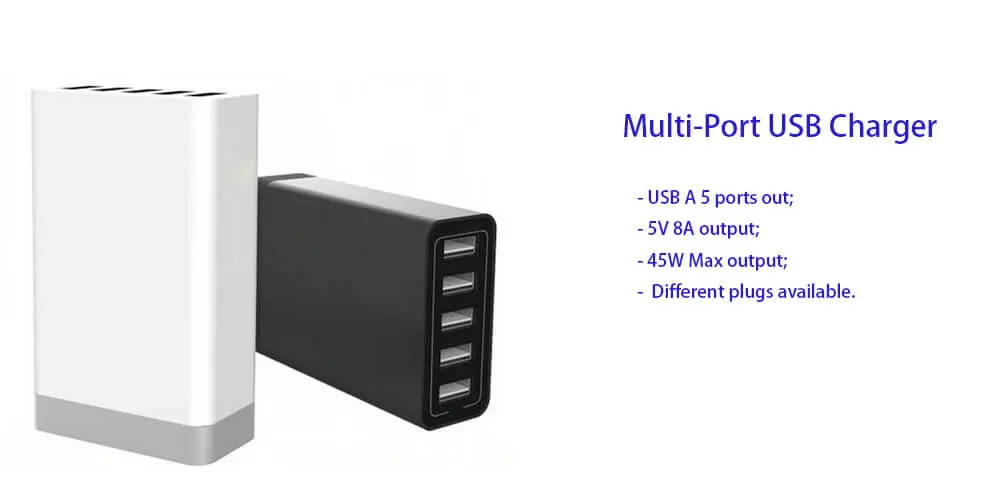
Multi Ports USB Charger

1. Travel Charger Provides Quick Charge to Smart Phones

Nobody wants to wait 6 hours or more to get a full charge to 100% for your cell phone. This only happened years ago. As the time goes, quick charger make phone charge simple. 30 mins to charge your phone to 50% or more and an hour to finish. It is exciting, isn’t it? 

These are the right phone chargers we want – Charge rapidly and last long. Importantly, the phone charger will not harm your cell phone batteries while offer efficience. 

Now almost all smart phone brand carriers as Samsung, Huawei, Mi, Apple will take quick charge technology in the phone charging system.

2. Travel charger with Multi Ports Outlet for Different Smart Phones or Devices

We would carry a lot of chargers to travel from one place to another 2-3 years ago, like Chargers for smart phones, cameras, power banks, e-readers, notebooks, drones and more with different charge cables. 

Now thinngs are going simple. You just carry 1-2 chargers with 3 ports outlet and they can take care of your full charge system for all devices. 

Travel chargers with dual port, 3 ports or even. more will make things easier. This reduces the travel weight for luggages. And many of the devices share the same cable for charge and data, like the type c may fit for notebooks, cameras, gopros or cell phones. Forget a bunch of cables but with serveral good one. 

3. Protection for Safety

The safety is greatly improved as the PCB and IC technology go. The PCB, IC and other components improved to reduce the weight and cube of a charger. And it will provide more firewalls for safety. 

A good phone charger with well-designed PCB is perfect.  How can a normal user know it is well-designed? Here goes your question. 

My answer is simple. You can buy original or famous brand moible phone chargers. 

There would go your anothe question again. There are many styles with high and low prices, how can I select the best one?

Select the style and ports you need. DO CHECK the safety approval if it meet your counrtry standards as CE, UL and so on. If all with safety approval, take the cheepest one with your desired looking, 

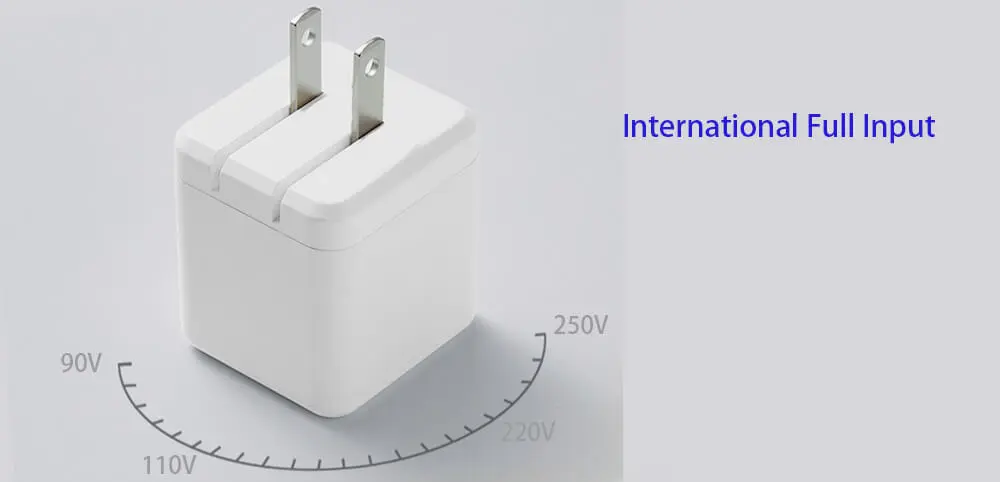
90-250V international Input

4. Travel Charger Suitable for 90-250V Ineternational Input

There are several options for voltage inputs. 

US is with 110V input. And China is with 220V input. So 90-120V would mostly designed for 110V input phone chargers. So 200-250V for 220V mobile chargers. 

Not all phone chargers are suitable for US AND China input. This means, US input mobile phone chargers may not use in China because it is 110V input. It will explode if we put that charger in China hotels for charge. That is really a problem. 

So we select a charger with 90-250V input. With this one, we can travel globally without any input converter. 

5. Full Protocols to meet Apple, Huawei, Samsung or more Phones

The days have passed when a mobile phone must have its own original travel charger. Neither do with cameras or notebooks.

As the phone connectors are in standard port, it is much easier for phone carriers. A type C cable may suit for most of the new android phones, notebooks or tablets. We carry less and less charge cables when we travel because the connectors are becaming the same. 

How about the chargers? 5V, 9V, 12V or 20V input? They can do as the cables? The answer is yes! Now PD chargers or QC chargers are with adjustable output voltage. The travel charger (actually car chargers can do the same) will communicate with chip inside phones or notebook. then make the max output of power to ensure a rapid charge. 

The phone accepts 5V 2A or 9V 2A. And the travel charger can offer 5V 2.4A, 9V 2A, 12V 2A or 20V 2.5A. The travel charger will communicate with phone brain to see the max voltage and currency. The phone gets back with 9V 2A. Thus they shake hands and make no problem. 

We have QC, PD or each of the protocols for each mobile manufacturer or phone band carriers. No worry. That could be conbined in one single charger! A charger can fit for iPhone 13, Samsung S21, Huawei Mate 40 or even the Macbook air!

This will reduce a large amount travel chargers when at home, in office or travel. 

6. Travel Chargers with Compact size

Size for travel charger is really a big problem when out of office or home. large size always means heavy weight. 

We cannot imagine carrying a luggage with half of heavy chargers for Cameras, Phones, notebooks, tablets, watches and more. 

Why not solve this with 2-3 good travel chargers with 3 ports out each? And carry one with a compact size and light weight. 

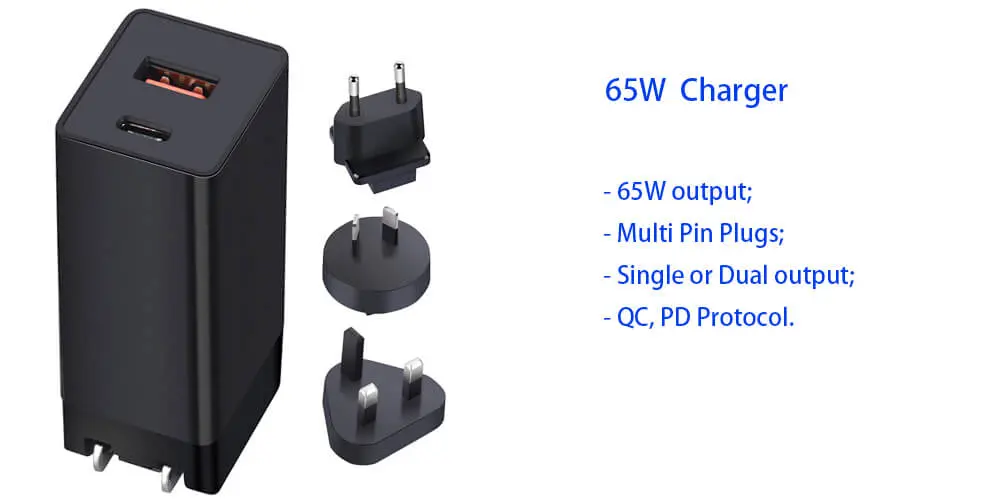
7. Travel Chargers with Changeable / Replaceable Pin Plugs

The pin plugs are different when travel to Europe, UK, China. If we travel to different countries, the pin plug is also a problem. I am sure we will take 1-2 travel converter to make the right pin plugs compatible with the destination country. But if the charger is equipped with  simple multi pins. This will reduce the weight a lot. 

8. Different Ports output for the travel charger- Type C, USB A

Most of the phone chargers are with USB C out. Some are with USB A output for the travel chargers. 

65W Multi Protocol Charger with Changeable Plugs

9. Max Power Watts to Charge Notebooks

It is true now a simple Gna charger can charge Macbook Pro with 120W output with 3 ports. 2 Type C output and 1 normal USB A output.