The End of Charging Anxiety? Breakthroughs in Smartphone Battery Technology

Charging anxiety – For over a decade, the smartphone has evolved at a blistering pace. We’ve seen cameras transform into professional studio equipment, screens become dazzling windows to virtual worlds, and processors powerful enough to run complex games. Yet, one component has stubbornly lagged behind, a digital ball and chain holding back our mobile lives: the battery.

We all know the feeling. That sinking sensation when the red battery icon appears, the frantic search for an outlet, the heavy power bank weighing down a bag. This is “charging anxiety,” and it has been the unsolvable problem of the mobile era. But for the first time, a wave of genuine technological breakthroughs promises to consign this anxiety to the history books.

The revolution is happening on three fronts: speed, longevity, and fundamental chemistry.

1. The Speed Revolution: From 0 to 100 in Minutes

Fast charging is no longer a novelty; it’s a battlefield. While companies have raced to higher wattages (with some now boasting 100W, 150W, and even 200W speeds), the real innovation is in the intelligence behind the charge.

  • GaN (Gallium Nitride) Technology: The unsung hero of fast charging. GaN chargers are smaller, more efficient, and generate less heat than traditional silicon chargers. This allows them to deliver high power consistently without the risk of damaging your phone—or melting your outlet.

  • Intelligent Power Management: Your phone is no longer a passive recipient of power. Advanced chipsets now manage the charging process in real-time, regulating voltage and current based on the phone’s temperature and your usage patterns. This means you can safely get a 50% charge in the time it takes to drink your morning coffee.

The promise is no longer just “all-day battery,” but “a day’s power in minutes.”

2. The Longevity Revolution: Batteries That Refuse to Die

What good is a fast-charging battery if it dies in two years? Battery degradation—the slow loss of maximum capacity over hundreds of charge cycles—is the next frontier. Manufacturers are finally tackling this head-on.

  • Advanced Battery Health Algorithms: Companies like Apple and Samsung now use sophisticated software that learns your charging habits. Features like “Optimized Battery Charging” hold the phone at 80% until you need it, reducing the wear and tear caused by staying at 100% for prolonged periods.

  • Hardware Innovations: New designs with multiple battery cells and improved heat dissipation systems prevent the high temperatures that are a primary killer of battery health. The goal is a battery that retains over 80% of its capacity after 1,000 full cycles—effectively doubling its usable lifespan.

This shift means your next phone won’t just last a day on a charge; it will last years before feeling the need for a replacement.

3. The Chemistry Revolution: Beyond Lithium-Ion

This is where the science fiction becomes reality. The lithium-ion battery has had a great run, but its limits are clear. The next generation is taking shape in labs around the world.

  • Solid-State Batteries: The holy grail. By replacing the flammable liquid electrolyte with a solid material, these batteries promise immense energy density (more power in the same size), dramatically faster charging, and zero fire risk. While still expensive to mass-produce, companies like Toyota and Samsung SDI are pouring billions into making them a commercial reality for smartphones.

  • Graphene Batteries: Graphene, a “wonder material” just one atom thick, could be a game-changer. It boasts incredible conductivity and heat dissipation. Batteries using graphene could charge from 0 to 100% in as little as 15 minutes and handle many more charge cycles than current tech. While still emerging, it represents a tangible path forward.

The Future is Unplugged

So, is this the end of charging anxiety? The answer is a cautious “yes.” We may not be throwing away our chargers entirely, but their role is changing. We’re moving from a world of daily, anxious plug-ins to a world of occasional, rapid top-ups.

The combination of blistering speed, enduring health, and revolutionary new materials means that soon, the battery percentage in the corner of your screen will cease to be a source of stress. It will become a mere footnote, freeing us to finally use our powerful pocket computers to their full, untethered potential. The future of mobile power isn’t just about lasting longer—it’s about forgetting about power altogether.

The Ultimate Guide to USB: USB-A, Micro-USB, Lightning, and USB-C for Wholesale Buyers

Executive Summary

In the interconnected world of modern technology, the humble USB cable is the unsung hero, a critical conduit for power and data. For businesses involved in USB Cables wholesale, understanding the intricate differences between USB-A, Micro-USB, Lightning, and USB-C is not just academic—it’s a commercial necessity. The market is a diverse ecosystem where legacy standards like Micro-USB coexist with the universal promise of USB-C and the proprietary walled garden of Apple’s Lightning. This comprehensive guide provides USB cables suppliers and wholesalers with a deep dive into the specifications, market applications, and strategic considerations for each connector type. We will explore why a diversified portfolio that includes everything from bulk USB C cables to custom USB-C cables wholesale options is key to capitalizing on current demand while future-proofing your business. Navigating this complex landscape effectively allows savvy wholesalers to meet the needs of every customer segment, from the budget-conscious to the tech-obsessed.

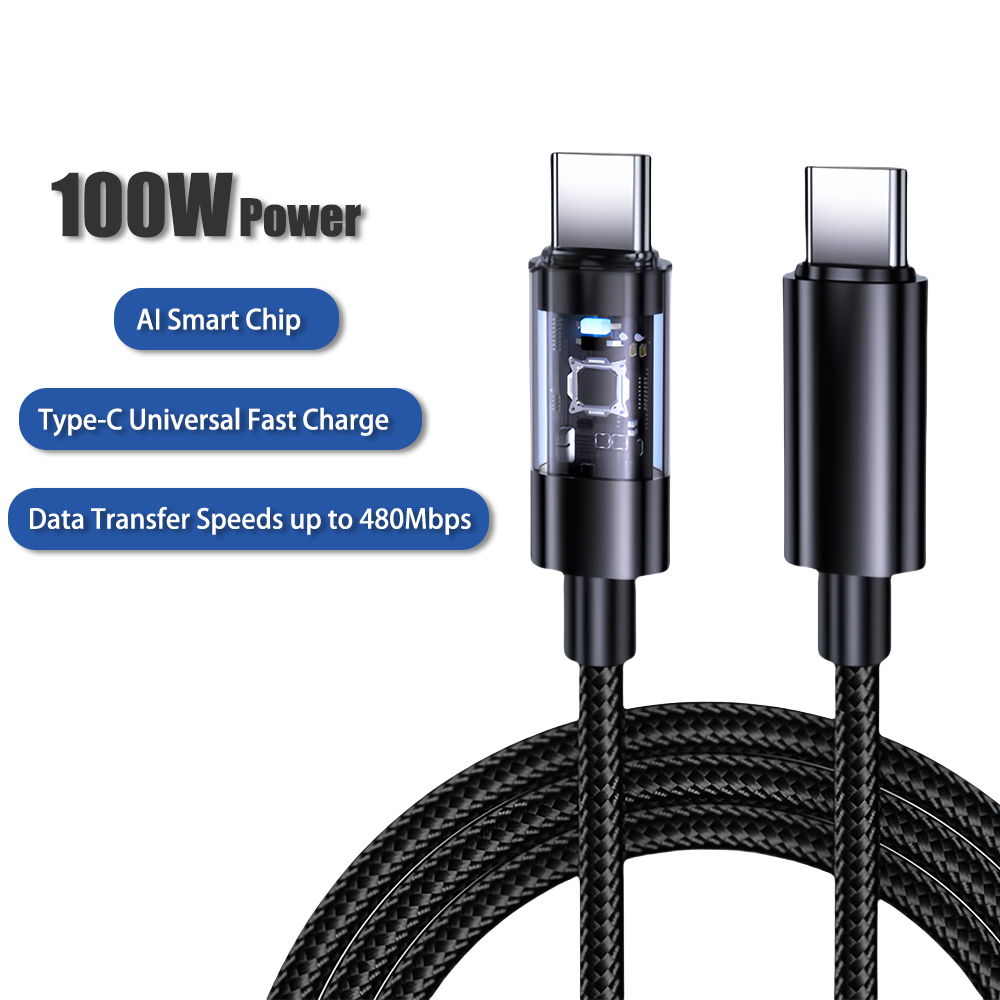
100W USB-C cables wholesale

100W USB-C cables wholesale

Introduction: The Backbone of Digital Connectivity

The Universal Serial Bus (USB) standard has been the cornerstone of device interfacing for decades. From charging smartphones to connecting peripherals and transferring data, USB cables are ubiquitous. For wholesalers and suppliers, this represents a consistent and high-volume market opportunity. However, the landscape is fragmented. The evolution from the familiar USB-A to the once-dominant Micro-USB, and the current transition towards the powerful USB-C, alongside the unique position of Lightning, creates a complex matrix of consumer needs.

Success in the USB Cables wholesale market hinges on a strategic understanding of these connectors. It’s about knowing which cables are becoming obsolete, which are in sustained demand, and which represent the future of the industry. This knowledge informs inventory planning, marketing strategies, and partnerships with manufacturers for custom USB C cables wholesale programs, ensuring your business remains relevant and competitive in a fast-paced industry.

USB-A: The Universal Legacy Port

USB-A is the original “standard” USB connector that most people instantly recognize. Its wide, flat, and rectangular design with a single, non-reversible orientation has been the primary host port on computers, wall chargers, car adapters, and power banks for generations.

Technical Specifications and Common Uses

  • Form Factor: Non-reversible Type-A connector.

  • Typical Uses: Connecting peripherals (keyboards, mice, printers, external hard drives) to computers, and as the “source” end of virtually all charger blocks and power adapters.

  • Versions: It’s crucial to distinguish the connector (USB-A) from the protocol (USB 2.0, USB 3.0, etc.). A USB-A port can support various speeds:

    • USB 2.0 (Black/White Tab): Data transfer speeds up to 480 Mbps.

    • USB 3.0/+ (Blue Tab): Data transfer speeds up to 5 Gbps (USB 3.2 Gen 1).

    • USB 3.1/+ (Teal/Red Tab): Supports faster protocols, often with higher power delivery.

Market Position and Wholesale Strategy for USB-A Cables

Despite not being the modern port on new devices, USB-A is far from dead. Its role as the universal “source” connector in charging infrastructure guarantees its relevance for years to come. Most USB C cables wholesale offerings still feature a USB-A to USB-C model to serve this massive installed base.

Wholesale Recommendation: USB cables suppliers should maintain a robust inventory of high-quality USB-A to USB-C and USB-A to Micro-USB cables. These are high-turnover, essential items for a wide range of customers. They are the bread-and-butter of any wholesale operation and are often sought in bulk USB C cables purchases for corporate giveaways or as standard-issue accessories.

Micro-USB: The Former King of Android and Accessories

For nearly a decade, Micro-USB was the mandated charging port for most Android phones and a vast array of other devices, from Bluetooth speakers and power banks to smart home gadgets. Its compact, trapezoidal shape is unmistakable, notorious for its fragile design and frustrating non-reversibility.

Technical Specifications and Common Uses

  • Form Factor: Small, non-reversible, trapezoidal connector with two hooks on the sides.

  • Typical Uses: Budget and mid-range Android phones (decreasingly), Bluetooth accessories, power banks, e-readers (like older Kindles), and countless other low-power electronic devices.

  • Limitations: Physically fragile, slow charging capabilities (typically limited to 15W or less), and slow data transfer (usually USB 2.0).

Market Position and Wholesale Strategy for Micro-USB Cables

While Micro-USB is a legacy standard, its wholesale demand remains significant due to the enormous installed base of devices. The market for Micro-USB cables has shifted from premium to budget and replacement-driven. Customers are not looking for cutting-edge features but for affordable, durable cables to keep their older devices powered.

Wholesale Recommendation: USB cables suppliers should continue to stock Micro-USB cables, but consider them a cost-driven, volume-based product line. The focus should be on value and durability rather than high margins. These cables are essential for fulfilling the needs of budget retailers, hospitality industries (for guest charging), and as low-cost inclusions in accessory bundles. However, long-term inventory investments should be cautious, as this market will steadily decline.

USB C cables wholesale

USB C cables wholesale

Lightning: Apple’s Proprietary Ecosystem

Introduced by Apple in 2012, the Lightning connector was a revolutionary step forward with its compact, fully reversible design. It replaced the larger, 30-pin dock connector and became the exclusive port for iPhones, iPads, iPods, and other Apple accessories for over a decade.

Technical Specifications and Common Uses

  • Form Factor: Compact, symmetrical, and fully reversible 8-pin connector.

  • Typical Uses: iPhones (iPhone 5 to iPhone 14), iPads (most models until 2018+), AirPods cases, and other Apple peripherals.

  • Limitations: As a proprietary standard, it requires Apple’s certification (MFi – Made for iPhone/iPad/iPod). Non-certified cables often trigger warning messages and may fail. Its technical capabilities are now outclassed by USB-C, with slower data transfer speeds (USB 2.0 on most cables) and lower power limits.

Market Position and Wholesale Strategy for Lightning Cables

The Lightning cable market is massive but strictly governed. For USB cables suppliers, dealing in Apple MFi Certified cables is non-negotiable. Selling non-certified cables leads to customer dissatisfaction, high return rates, and potential legal issues.

Wholesale Recommendation: Partner exclusively with manufacturers who provide verifiable MFi certification. The Apple user base is loyal and has consistent spending power, making this a high-value, high-margin segment. Offering a variety of durable, well-designed MFi Lightning cables—in various lengths, colors, and with reinforced connectors—is a proven strategy. This is also a prime category for custom USB C cables wholesale suppliers to offer dual-ended cables (e.g., USB-C to Lightning) that cater to users with newer MacBooks and iPad chargers.

USB-C: The True Universal Standard

USB-C is the modern, industry-standard connector designed to replace all previous USB types, including USB-A, USB-B, and Micro-USB. Its small, robust, and elegantly simple reversible design is only part of the story. Its true power lies in its incredible versatility.

Technical Specifications and Common Uses

  • Form Factor: Small, oval-shaped, and perfectly symmetrical (reversible).

  • Typical Uses: Modern Android phones, premium laptops (MacBooks, Dell XPS, etc.), tablets (including iPads Pro/Air), peripherals, monitors, and even some gaming consoles (Nintendo Switch).

  • Capabilities: This is where USB-C shines. It’s a single port that can handle:

    • Power Delivery (USB-PD): Supports charging from 5W up to 240W, capable of powering everything from earbuds to high-performance laptops.

    • High-Speed Data: Supports USB 3.2 (up to 20 Gbps), USB4 (up to 40 Gbps), and Thunderbolt 3/4 (40 Gbps).

    • Video Output: Can output video to monitors via DisplayPort or HDMI Alt Modes, supporting resolutions up to 8K.

Market Position and Wholesale Strategy for USB-C Cables

USB-C is the present and future of connectivity. For USB cables suppliers, this is the most critical and dynamic product category. Demand for bulk USB C cables is exploding as the standard is adopted across all device categories.

Wholesale Recommendation: Your strategy should be multi-faceted:

  1. Diversify by Capability: Stock different tiers of USB-C cables to meet different needs and price points.

    • Basic Charging Cables: For customers who just need to charge phones and tablets.

    • High-Speed Data Cables: Certified for USB 3.2 Gen 2 or higher speeds for users transferring large files.

    • High-Power Charging Cables: Supporting 100W PD for laptop users.

    • Premium/Thunderbolt 4 Cables: For professionals requiring maximum performance for data and video.

  2. Embrace Customization: The custom USB C cables wholesale market is a major growth area. Businesses, schools, and promotional companies seek cables with custom lengths, colors, and printed logos. Offering this service positions you as a value-added supplier.

  3. Future-Proof Your Inventory: As the EU mandates USB-C as a universal charging standard and Apple continues its transition, prioritizing USB-C cable inventory is the safest long-term bet for any wholesaler.

Head-to-Head Comparison Table for Wholesale Buyers

FeatureUSB-AMicro-USBLightningUSB-C
Reversible?NoNoYesYes
DurabilityHighLow (fragile port)MediumHigh
Peak Data Speed10-20 Gbps*480 Mbps480 Mbps (5 Gbps on Pro)40-80 Gbps
Peak Power~7.5W-100W~15W~15W-30WUp to 240W
Video OutputNoNoNo (Adapter needed)Yes (Native)
EcosystemUniversal, LegacyLegacy Android/AccessoriesApple Proprietary (MFi)Universal Standard
Wholesale FocusHigh-volume, essentialBudget, replacementHigh-margin, MFi CertifiedFuture-proof, diversified tiers
Customization PotentialLowLowMedium (with MFi)Very High

*Depending on USB version (2.0, 3.0, 3.2)

Building a Winning Wholesale USB Cable Strategy

1. Portfolio Diversification is Key

A successful USB cables wholesale business cannot rely on a single connector type. Your portfolio must be a balanced mix:

  • Legacy & Volume: Maintain stock of reliable USB-A and Micro-USB cables.

  • High-Margin Niche: Capitalize on the Apple ecosystem with certified Lightning cables.

  • Future Growth Driver: Aggressively expand your USB-C offerings across all performance tiers.

2. The Critical Importance of Quality and Compliance

Cutting corners on quality is a race to the bottom. Poorly constructed cables with substandard wires and shielding lead to slow charging, data corruption, and safety hazards. For USB cables suppliers, building a reputation for reliability is paramount. This means:

  • Sourcing from reputable manufacturers.

  • Insisting on proper certifications (USB-IF, MFi).

  • Using high-quality copper wiring and robust connector housings.

3. Capitalizing on the Customization Trend

The market for generic cables is crowded. Offering custom USB C cables wholesale services provides a significant competitive advantage. This allows you to serve B2B clients directly, creating branded cables for corporate events, retail branding, and specialized applications. This segment commands higher margins and fosters long-term business relationships.

4. Understanding the “Cable Tangle” – Versatility Matters

Stocking and promoting versatile cable solutions can be highly profitable. Consider:

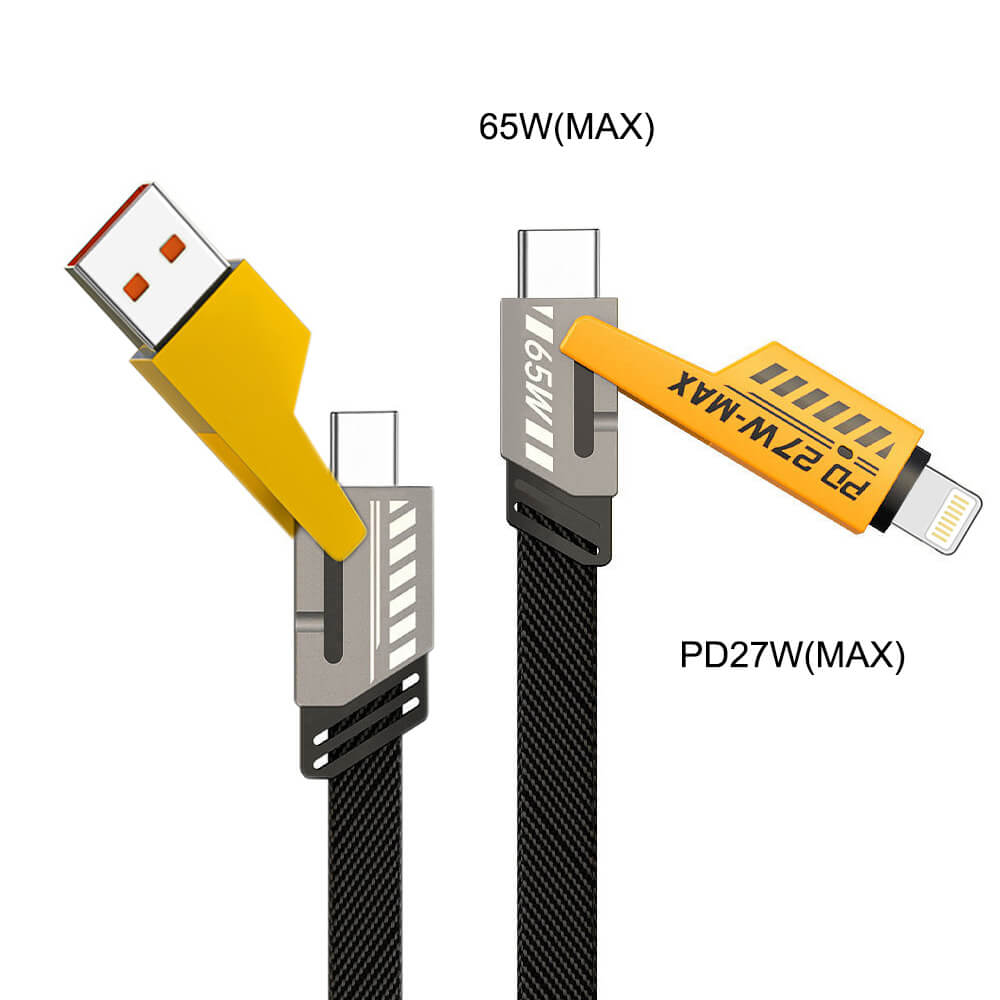
  • Multi-Port Cables: A single cable with interchangeable USB-C, Lightning, and Micro-USB heads.

  • Dual-Ended Cables: Such as USB-C to Lightning, which are increasingly popular.

  • Cables with Multiple Connectors: Bundled sets that cover all a user’s needs.

Conclusion: Navigating the Connector Landscape for Long-Term Success

The evolution from USB-A and Micro-USB to USB-C and the unique case of Lightning tells a story of technological progress towards a simpler, more powerful universal standard. For wholesalers and suppliers, this transition is not without its challenges, but it is filled with immense opportunity.

The key takeaway is that while legacy cables will remain a part of your inventory for the foreseeable future, your strategic focus must be on USB-C. Investing in a diverse range of bulk USB C cables, from basic to high-performance, and developing a strong custom USB C cables wholesale operation, is the definitive path to growth and resilience. By understanding the technical nuances, market dynamics, and quality imperatives of each connector type, your business can effectively serve the entire market—from those clinging to older devices to the early adopters driving the future—ensuring your position as a leading USB cables supplier in a connected world.

Enhance Your Mobile Experience with Must-Have Phone Accessories

Mobile phones have become an essential part of our daily lives, serving not only as a communication tool but also as a multi-functional device. To elevate your mobile experience and make the most out of your device, there is an array of accessories available in the market. These mobile phone accessories can add convenience, functionality, and style to your smartphone usage. In this article, we will explore some must-have mobile phone accessories that can take your smartphone experience to the next level.
Retotable Cases for iPad

Retotable Cases for iPad

1. Protective Cases and Screen Protectors:
Protecting your valuable investment should be a top priority. A high-quality phone case can safeguard your device from accidental drops, bumps, and scratches. With various designs, materials, and levels of protection available, you can choose one that matches your style and needs. Additionally, a screen protector is an absolute must-have accessory to shield your phone’s display from scratches and fingerprints, ensuring it stays in immaculate condition.
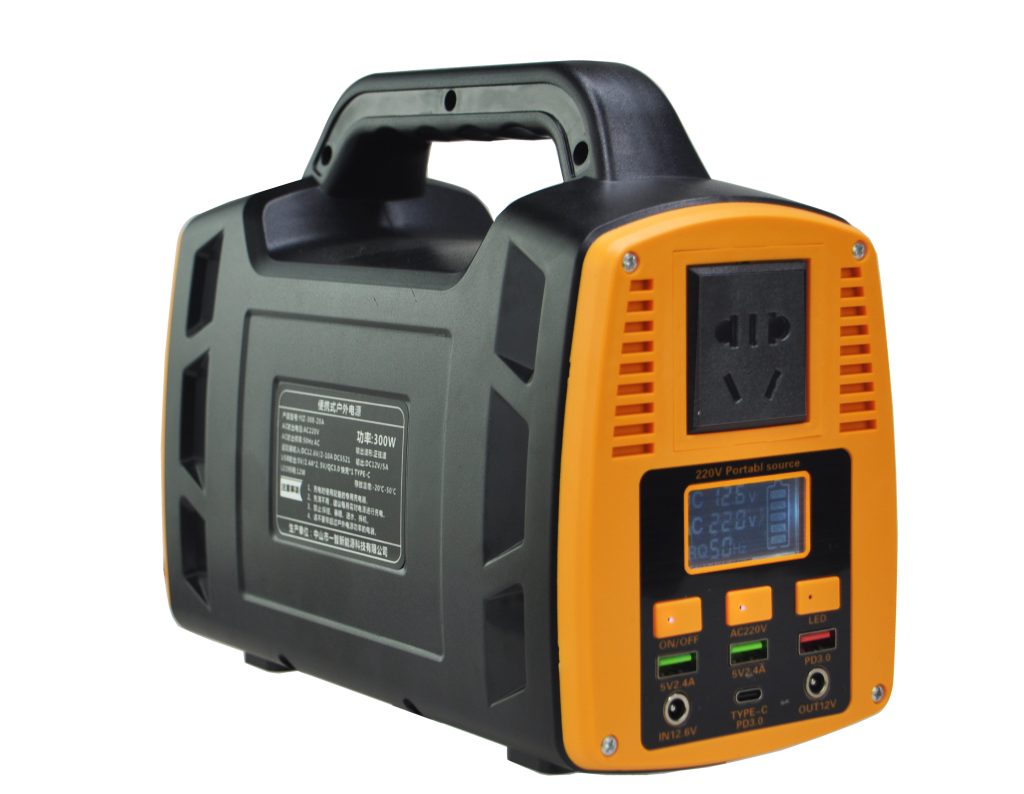
Power Station from Lider Industrial

Power Station from Lider Industrial

2. Power Banks:
In today’s fast-paced world, running out of battery is never an option. Power banks provide a portable charging solution, allowing you to charge your phone on the go. With different capacities available, you can find power banks that offer multiple charges for your smartphone, ensuring you never miss an important call or lose access to your favorite apps.
3. Wireless Chargers:
Say goodbye to cable clutter with wireless chargers. Qi-compatible wireless chargers use electromagnetic induction to power up your phone simply by placing it on the charging pad. These chargers offer convenience and ease, eliminating the hassle of dealing with tangled cables while charging your device. Just ensure your phone supports wireless charging, and you’re good to go.
4. Bluetooth Earphones/Headphones:
Cutting the cord has become the latest trend with the rise of Bluetooth technology. Bluetooth earphones or headphones offer freedom of movement, making it easier to enjoy music, take calls, or watch videos without tangled wires. With improved audio quality, longer battery life, and various fits and styles available, you can find a pair that suits your preferences while enhancing your audio experience.
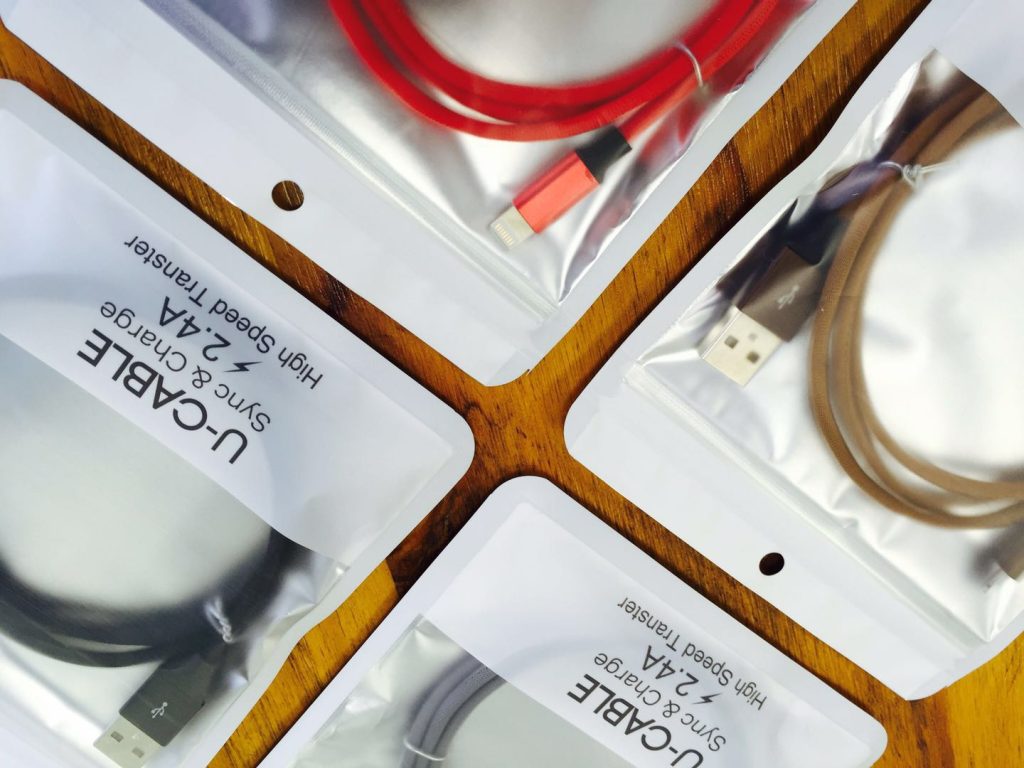
Mobile Phone Accessories - Data Cable iPhone Android

Mobile Phone Accessories – Data Cable iPhone Android

5. Camera Lens Attachments:
If you love photography, a camera lens attachment can elevate your smartphone’s camera capabilities. These lenses can enhance the zoom, widen the field of view, or create unique effects such as fish-eye or macro shots. With these attachments, you can capture professional-looking photos and unleash your creativity.
Mobile phone accessories not only enhance the functionality of our devices but also add convenience and style to our smartphone experience. From protective cases to camera lens attachments, power banks to wireless chargers, and Bluetooth earphones to screen protectors, these accessories allow us to make the most out of our smartphones while protecting and personalizing them. Choose wisely, and let these accessories take your mobile experience to new heights.

What is the Best Travel Charger? Words from a manufacturer

Travel Chargers are essential when we use Mobile Phones and Electronic devices in our dailly life. As the files are bigger and bigger, films and videos are longer and longer, even our talk by free software are not so tight to finish…These will cause a serious problem for the batteries. We need a good travel charger to refill the batteries. 

Most of us will use a power bank to extend the mobile phone battery life. What is the result if we are on travel and the power bank is going to be out? 

Yes! We need a mobile phone charger for smart phones or electronics. Let us see what is a good travel charger from eye of both as a travel charger user and home charger manufacturer for cell phones. 

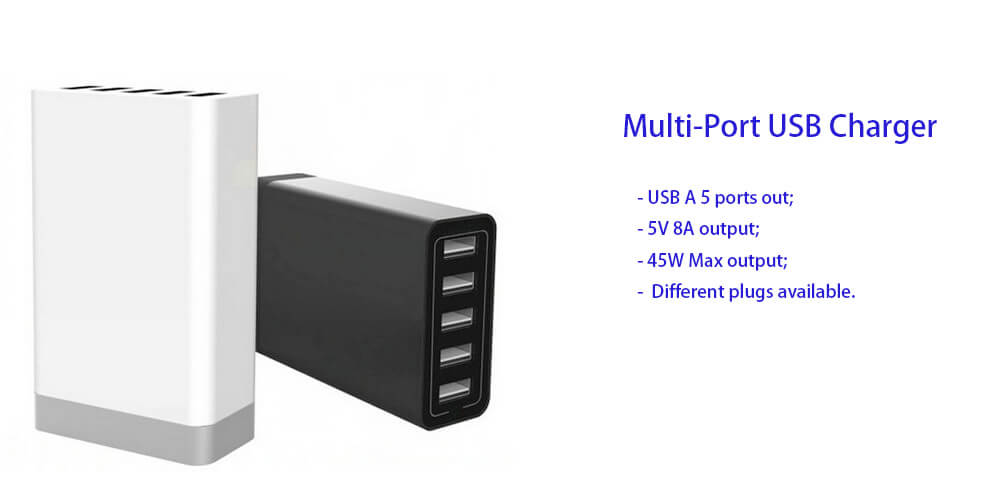
Multi Ports USB Charger

1. Travel Charger Provides Quick Charge to Smart Phones

Nobody wants to wait 6 hours or more to get a full charge to 100% for your cell phone. This only happened years ago. As the time goes, quick charger make phone charge simple. 30 mins to charge your phone to 50% or more and an hour to finish. It is exciting, isn’t it? 

These are the right phone chargers we want – Charge rapidly and last long. Importantly, the phone charger will not harm your cell phone batteries while offer efficience. 

Now almost all smart phone brand carriers as Samsung, Huawei, Mi, Apple will take quick charge technology in the phone charging system.

2. Travel charger with Multi Ports Outlet for Different Smart Phones or Devices

We would carry a lot of chargers to travel from one place to another 2-3 years ago, like Chargers for smart phones, cameras, power banks, e-readers, notebooks, drones and more with different charge cables. 

Now thinngs are going simple. You just carry 1-2 chargers with 3 ports outlet and they can take care of your full charge system for all devices. 

Travel chargers with dual port, 3 ports or even. more will make things easier. This reduces the travel weight for luggages. And many of the devices share the same cable for charge and data, like the type c may fit for notebooks, cameras, gopros or cell phones. Forget a bunch of cables but with serveral good one. 

3. Protection for Safety

The safety is greatly improved as the PCB and IC technology go. The PCB, IC and other components improved to reduce the weight and cube of a charger. And it will provide more firewalls for safety. 

A good phone charger with well-designed PCB is perfect.  How can a normal user know it is well-designed? Here goes your question. 

My answer is simple. You can buy original or famous brand moible phone chargers. 

There would go your anothe question again. There are many styles with high and low prices, how can I select the best one?

Select the style and ports you need. DO CHECK the safety approval if it meet your counrtry standards as CE, UL and so on. If all with safety approval, take the cheepest one with your desired looking, 

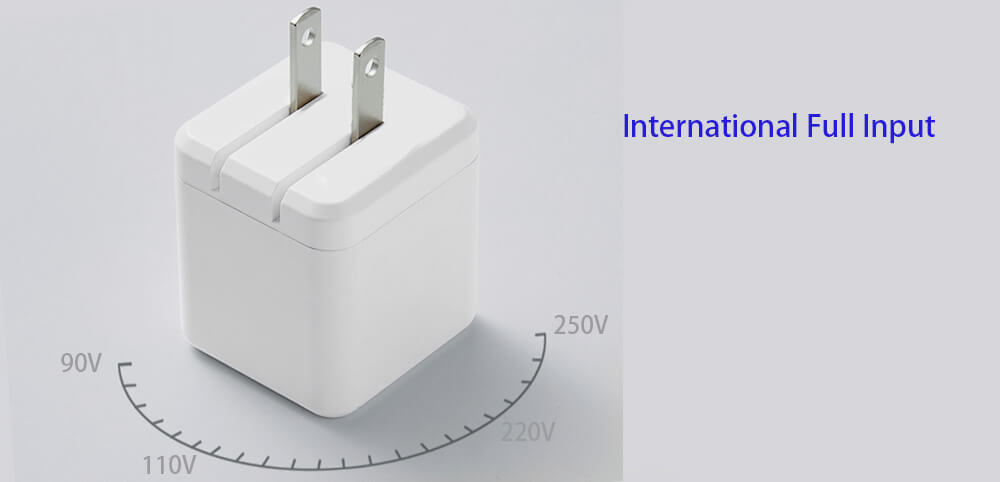
90-250V international Input

4. Travel Charger Suitable for 90-250V Ineternational Input

There are several options for voltage inputs. 

US is with 110V input. And China is with 220V input. So 90-120V would mostly designed for 110V input phone chargers. So 200-250V for 220V mobile chargers. 

Not all phone chargers are suitable for US AND China input. This means, US input mobile phone chargers may not use in China because it is 110V input. It will explode if we put that charger in China hotels for charge. That is really a problem. 

So we select a charger with 90-250V input. With this one, we can travel globally without any input converter. 

5. Full Protocols to meet Apple, Huawei, Samsung or more Phones

The days have passed when a mobile phone must have its own original travel charger. Neither do with cameras or notebooks.

As the phone connectors are in standard port, it is much easier for phone carriers. A type C cable may suit for most of the new android phones, notebooks or tablets. We carry less and less charge cables when we travel because the connectors are becaming the same. 

How about the chargers? 5V, 9V, 12V or 20V input? They can do as the cables? The answer is yes! Now PD chargers or QC chargers are with adjustable output voltage. The travel charger (actually car chargers can do the same) will communicate with chip inside phones or notebook. then make the max output of power to ensure a rapid charge. 

The phone accepts 5V 2A or 9V 2A. And the travel charger can offer 5V 2.4A, 9V 2A, 12V 2A or 20V 2.5A. The travel charger will communicate with phone brain to see the max voltage and currency. The phone gets back with 9V 2A. Thus they shake hands and make no problem. 

We have QC, PD or each of the protocols for each mobile manufacturer or phone band carriers. No worry. That could be conbined in one single charger! A charger can fit for iPhone 13, Samsung S21, Huawei Mate 40 or even the Macbook air!

This will reduce a large amount travel chargers when at home, in office or travel. 

6. Travel Chargers with Compact size

Size for travel charger is really a big problem when out of office or home. large size always means heavy weight. 

We cannot imagine carrying a luggage with half of heavy chargers for Cameras, Phones, notebooks, tablets, watches and more. 

Why not solve this with 2-3 good travel chargers with 3 ports out each? And carry one with a compact size and light weight. 

7. Travel Chargers with Changeable / Replaceable Pin Plugs

The pin plugs are different when travel to Europe, UK, China. If we travel to different countries, the pin plug is also a problem. I am sure we will take 1-2 travel converter to make the right pin plugs compatible with the destination country. But if the charger is equipped with  simple multi pins. This will reduce the weight a lot. 

8. Different Ports output for the travel charger- Type C, USB A

Most of the phone chargers are with USB C out. Some are with USB A output for the travel chargers. 

65W Multi Protocol Charger with Changeable Plugs

9. Max Power Watts to Charge Notebooks

It is true now a simple Gna charger can charge Macbook Pro with 120W output with 3 ports. 2 Type C output and 1 normal USB A output.