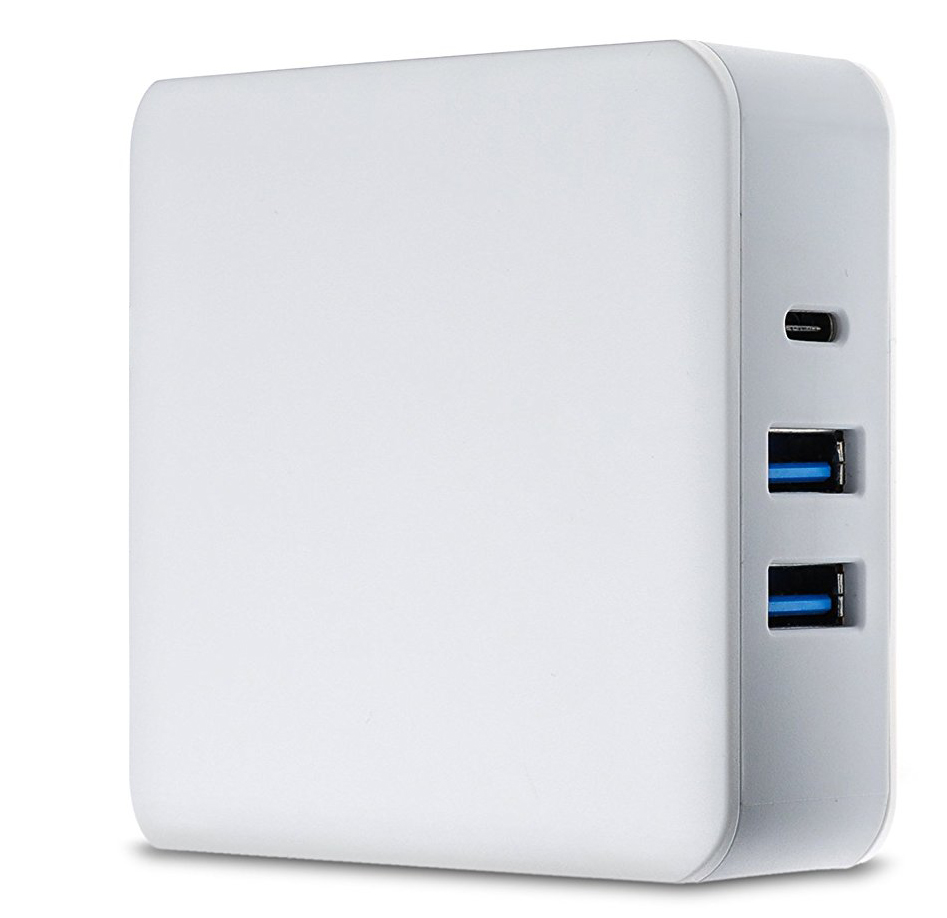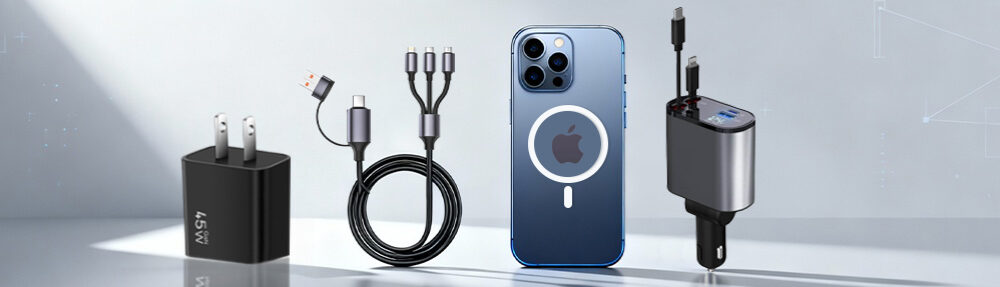
Understanding USB-C Power Delivery: A Comprehensive Guide

In today’s tech-savvy world, understanding the ins and outs of charging technology can greatly enhance your device experience. One of the leading technologies in this category is USB-C Power Delivery (PD). Whether you’re a tech enthusiast, a casual user, or somewhere in between, grasping the essentials of USB-C PD can help you make informed decisions about your devices, charging accessories, and overall efficiency. In this article, we’ll delve into what USB-C Power Delivery is, how to choose a good PD cable and charger, and much more.

### What is USB-C Power Delivery?

USB-C Power Delivery is a universal charging standard designed to provide faster and more efficient power transfer. Unlike traditional USB charging methods, USB-C PD allows for higher wattage delivery, making it possible to charge a wide variety of devices, from smartphones to laptops, with one cable. The technology enables power levels of up to 100 watts, which means you can charge larger devices, such as MacBooks or gaming laptops, at unprecedented speeds.

One of the standout features of USB-C PD is its versatility. A single USB-C PD cable can negotiate power requirements and adjust accordingly based on the connected device. This negotiation happens automatically thanks to a feature known as “role swapping,” which allows devices to either send or receive power efficiently. Moreover, USB-C PD supports data transfer and video output, making it an essential multifunctional tool for modern tech users.

### How to Choose a Good USB-C PD Cable

When it comes to selecting a USB-C PD cable, not all cables are created equal. Here are some critical factors to consider to ensure you choose a good USB-C PD cable that meets your needs:

1. **Wattage Rating**: The first thing to check is the wattage rating of the cable. If you intend to charge power-hungry devices like laptops, look for cables that support at least 60 watts or higher. For smartphones and tablets, a lower wattage (18-30 watts) may suffice.

2. **Certification**: Always opt for cables that are certified by organizations like USB-IF (USB Implementers Forum). Certification ensures that the cable meets industry standards for safety and performance, reducing the risk of overheating or malfunctioning.

3. **Length**: Consider the cable length based on your usage. Longer cables (6 feet or more) offer flexibility but may impact charging speed due to voltage drop. Shorter cables are usually better for quick charging and minimal loss in power delivery.

4. **Material Quality**: Look for cables that use high-quality materials like nylon braided exteriors for durability. A well-constructed cable can withstand daily wear and tear, which is especially important if you’re frequently on the go.

5. **Data Transfer Rate**: If you plan to use the cable for data transfer in addition to charging, check the specifications for data rate capability. A cable with USB 3.1 or above will offer faster data transfer speeds.

### Selecting the Right USB-C Power Charger

Just as important as having a quality USB-C PD cable is choosing the right USB-C power charger. Here’s how to find a charger that suits your needs:

1. **Power Output**: Check the charger’s power output, which is commonly expressed in watts. Ensure it matches or exceeds the requirements of the device you’re charging. For example, a laptop may require a charger that outputs 45W or more, while a smartphone generally needs 18W.

2. **Port Count**: If you have multiple devices, look for a charger with multiple USB-C PD ports. This lets you charge several gadgets simultaneously without compromising on speed or efficiency.

3. **Smart Charge Technology**: Look for chargers that feature smart charging technology. These chargers can detect the optimal charging current needed for your device, ensuring a safe and fast charging process.

4. **Safety Features**: Choose chargers equipped with built-in safety features such as overcurrent protection, short-circuit prevention, and temperature control. Safety should always be a priority to protect both your devices and yourself.

5. **Brand Reputation**: Opt for brands known for reliable products. Reading reviews and checking warranty information can provide insights into a brand’s reliability and customer service.

### Frequently Asked Questions about USB-C Power Delivery

#### Q1: Can I use a regular USB-C cable for Power Delivery?

A1: While some regular USB-C cables might support low-power charging, using a certified USB-C PD cable is recommended for optimal performance, especially if you want to utilize the full capabilities of USB-C Power Delivery.

#### Q2: Is it safe to use third-party chargers and cables?

A2: Yes, provided they are certified and from reputable brands. Always check for certifications like USB-IF to ensure safety and performance.

#### Q3: Does using a higher wattage charger harm my device?

A3: No, most devices will only draw the amount of power they require. Using a higher wattage charger will simply enable faster charging speeds within the limits of your device’s capabilities.

### Conclusion

Navigating the world of USB-C Power Delivery doesn’t have to be intimidating. By understanding the basics of what USB-C PD entails, how to select quality cables and chargers, and keeping an eye on safety and efficiency, you can enhance your charging experience and optimize your device usage. Investing in the right USB-C PD cable and USB-C power charger can lead to faster charging times, reduced clutter with fewer cables, and a more organized tech ecosystem overall. Embrace the future of charging—USB-C Power Delivery is here to stay!
What is the Best Travel Charger? Words from a manufacturer

Travel Chargers are essential when we use Mobile Phones and Electronic devices in our dailly life. As the files are bigger and bigger, films and videos are longer and longer, even our talk by free software are not so tight to finish…These will cause a serious problem for the batteries. We need a good travel charger to refill the batteries. 

Most of us will use a power bank to extend the mobile phone battery life. What is the result if we are on travel and the power bank is going to be out? 

Yes! We need a mobile phone charger for smart phones or electronics. Let us see what is a good travel charger from eye of both as a travel charger user and home charger manufacturer for cell phones. 

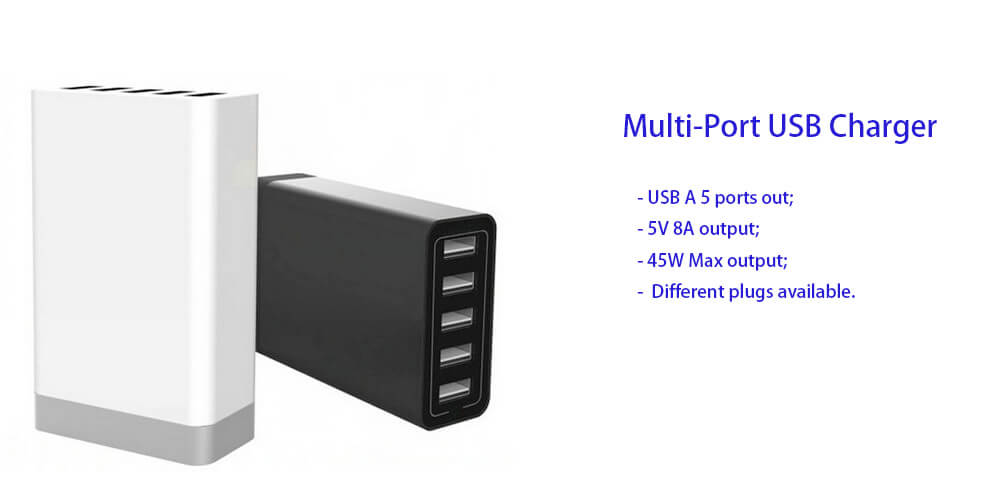
Multi Ports USB Charger

1. Travel Charger Provides Quick Charge to Smart Phones

Nobody wants to wait 6 hours or more to get a full charge to 100% for your cell phone. This only happened years ago. As the time goes, quick charger make phone charge simple. 30 mins to charge your phone to 50% or more and an hour to finish. It is exciting, isn’t it? 

These are the right phone chargers we want – Charge rapidly and last long. Importantly, the phone charger will not harm your cell phone batteries while offer efficience. 

Now almost all smart phone brand carriers as Samsung, Huawei, Mi, Apple will take quick charge technology in the phone charging system.

2. Travel charger with Multi Ports Outlet for Different Smart Phones or Devices

We would carry a lot of chargers to travel from one place to another 2-3 years ago, like Chargers for smart phones, cameras, power banks, e-readers, notebooks, drones and more with different charge cables. 

Now thinngs are going simple. You just carry 1-2 chargers with 3 ports outlet and they can take care of your full charge system for all devices. 

Travel chargers with dual port, 3 ports or even. more will make things easier. This reduces the travel weight for luggages. And many of the devices share the same cable for charge and data, like the type c may fit for notebooks, cameras, gopros or cell phones. Forget a bunch of cables but with serveral good one. 

3. Protection for Safety

The safety is greatly improved as the PCB and IC technology go. The PCB, IC and other components improved to reduce the weight and cube of a charger. And it will provide more firewalls for safety. 

A good phone charger with well-designed PCB is perfect.  How can a normal user know it is well-designed? Here goes your question. 

My answer is simple. You can buy original or famous brand moible phone chargers. 

There would go your anothe question again. There are many styles with high and low prices, how can I select the best one?

Select the style and ports you need. DO CHECK the safety approval if it meet your counrtry standards as CE, UL and so on. If all with safety approval, take the cheepest one with your desired looking, 

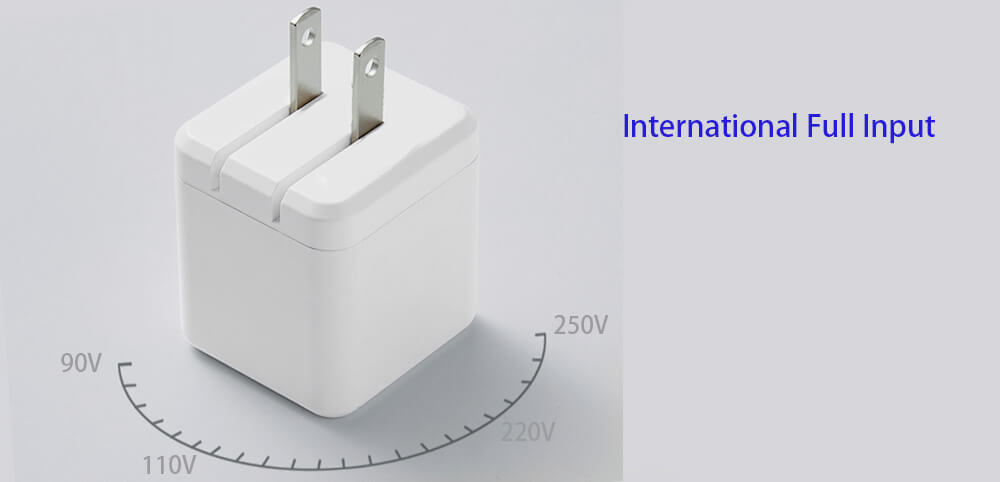
90-250V international Input

4. Travel Charger Suitable for 90-250V Ineternational Input

There are several options for voltage inputs. 

US is with 110V input. And China is with 220V input. So 90-120V would mostly designed for 110V input phone chargers. So 200-250V for 220V mobile chargers. 

Not all phone chargers are suitable for US AND China input. This means, US input mobile phone chargers may not use in China because it is 110V input. It will explode if we put that charger in China hotels for charge. That is really a problem. 

So we select a charger with 90-250V input. With this one, we can travel globally without any input converter. 

5. Full Protocols to meet Apple, Huawei, Samsung or more Phones

The days have passed when a mobile phone must have its own original travel charger. Neither do with cameras or notebooks.

As the phone connectors are in standard port, it is much easier for phone carriers. A type C cable may suit for most of the new android phones, notebooks or tablets. We carry less and less charge cables when we travel because the connectors are becaming the same. 

How about the chargers? 5V, 9V, 12V or 20V input? They can do as the cables? The answer is yes! Now PD chargers or QC chargers are with adjustable output voltage. The travel charger (actually car chargers can do the same) will communicate with chip inside phones or notebook. then make the max output of power to ensure a rapid charge. 

The phone accepts 5V 2A or 9V 2A. And the travel charger can offer 5V 2.4A, 9V 2A, 12V 2A or 20V 2.5A. The travel charger will communicate with phone brain to see the max voltage and currency. The phone gets back with 9V 2A. Thus they shake hands and make no problem. 

We have QC, PD or each of the protocols for each mobile manufacturer or phone band carriers. No worry. That could be conbined in one single charger! A charger can fit for iPhone 13, Samsung S21, Huawei Mate 40 or even the Macbook air!

This will reduce a large amount travel chargers when at home, in office or travel. 

6. Travel Chargers with Compact size

Size for travel charger is really a big problem when out of office or home. large size always means heavy weight. 

We cannot imagine carrying a luggage with half of heavy chargers for Cameras, Phones, notebooks, tablets, watches and more. 

Why not solve this with 2-3 good travel chargers with 3 ports out each? And carry one with a compact size and light weight. 

7. Travel Chargers with Changeable / Replaceable Pin Plugs

The pin plugs are different when travel to Europe, UK, China. If we travel to different countries, the pin plug is also a problem. I am sure we will take 1-2 travel converter to make the right pin plugs compatible with the destination country. But if the charger is equipped with  simple multi pins. This will reduce the weight a lot. 

8. Different Ports output for the travel charger- Type C, USB A

Most of the phone chargers are with USB C out. Some are with USB A output for the travel chargers. 

65W Multi Protocol Charger with Changeable Plugs

9. Max Power Watts to Charge Notebooks

It is true now a simple Gna charger can charge Macbook Pro with 120W output with 3 ports. 2 Type C output and 1 normal USB A output. 

USB-C PD Charger

USB-C PD charger, it is USB-C Power Delivery charger. What is that?

USB Power Delivery (USB PD) is a protocol specification which supports power delivery up to 100W of power while transmitting data in a single cable. This means that USB protocol can charge and make data transmission at the same. It is designed to be a future charging standard for a wide range of devices, including but not limited to mobile phones, to charge quickly over a USB connection.

PD charger wholesale supplier and manufacturer

PD charger wholesale supplier and manufacturer

Another bonus for USB Power Delivery protocol is, it can optimize power flow across multi peripherals. A battery-packed mobile phone or notebook can draw more power than the phones connected to external power charging source. Headsets will draw less than external HDDs.

USB-C is also called Type-C. It is a new reversible USB connector supporting a number of new standard including USB3.1 Display port and USB power delivery.

USB Type-C ports support up to 5V 3A. If a USB PD is implemented in a USB Type-C port, it can supply up to 100W to the devices depending on the PD specification.

Power Delivery Charger with USB-C would be the most popular charger after QC3.0. What do you think of that?