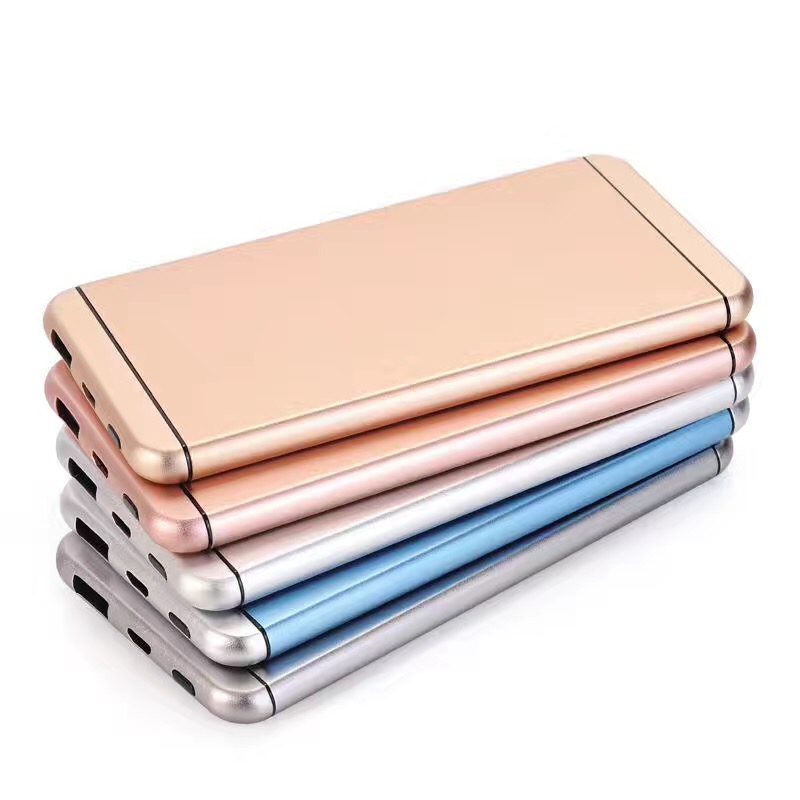
Charging anxiety – For over a decade, the smartphone has evolved at a blistering pace. We’ve seen cameras transform into professional studio equipment, screens become dazzling windows to virtual worlds, and processors powerful enough to run complex games. Yet, one component has stubbornly lagged behind, a digital ball and chain holding back our mobile lives: the battery.
We all know the feeling. That sinking sensation when the red battery icon appears, the frantic search for an outlet, the heavy power bank weighing down a bag. This is “charging anxiety,” and it has been the unsolvable problem of the mobile era. But for the first time, a wave of genuine technological breakthroughs promises to consign this anxiety to the history books.
The revolution is happening on three fronts: speed, longevity, and fundamental chemistry.
1. The Speed Revolution: From 0 to 100 in Minutes
Fast charging is no longer a novelty; it’s a battlefield. While companies have raced to higher wattages (with some now boasting 100W, 150W, and even 200W speeds), the real innovation is in the intelligence behind the charge.
GaN (Gallium Nitride) Technology: The unsung hero of fast charging. GaN chargers are smaller, more efficient, and generate less heat than traditional silicon chargers. This allows them to deliver high power consistently without the risk of damaging your phone—or melting your outlet.
Intelligent Power Management: Your phone is no longer a passive recipient of power. Advanced chipsets now manage the charging process in real-time, regulating voltage and current based on the phone’s temperature and your usage patterns. This means you can safely get a 50% charge in the time it takes to drink your morning coffee.
The promise is no longer just “all-day battery,” but “a day’s power in minutes.”
2. The Longevity Revolution: Batteries That Refuse to Die
What good is a fast-charging battery if it dies in two years? Battery degradation—the slow loss of maximum capacity over hundreds of charge cycles—is the next frontier. Manufacturers are finally tackling this head-on.
Advanced Battery Health Algorithms: Companies like Apple and Samsung now use sophisticated software that learns your charging habits. Features like “Optimized Battery Charging” hold the phone at 80% until you need it, reducing the wear and tear caused by staying at 100% for prolonged periods.
Hardware Innovations: New designs with multiple battery cells and improved heat dissipation systems prevent the high temperatures that are a primary killer of battery health. The goal is a battery that retains over 80% of its capacity after 1,000 full cycles—effectively doubling its usable lifespan.
This shift means your next phone won’t just last a day on a charge; it will last years before feeling the need for a replacement.
3. The Chemistry Revolution: Beyond Lithium-Ion
This is where the science fiction becomes reality. The lithium-ion battery has had a great run, but its limits are clear. The next generation is taking shape in labs around the world.
Solid-State Batteries: The holy grail. By replacing the flammable liquid electrolyte with a solid material, these batteries promise immense energy density (more power in the same size), dramatically faster charging, and zero fire risk. While still expensive to mass-produce, companies like Toyota and Samsung SDI are pouring billions into making them a commercial reality for smartphones.
Graphene Batteries: Graphene, a “wonder material” just one atom thick, could be a game-changer. It boasts incredible conductivity and heat dissipation. Batteries using graphene could charge from 0 to 100% in as little as 15 minutes and handle many more charge cycles than current tech. While still emerging, it represents a tangible path forward.
The Future is Unplugged
So, is this the end of charging anxiety? The answer is a cautious “yes.” We may not be throwing away our chargers entirely, but their role is changing. We’re moving from a world of daily, anxious plug-ins to a world of occasional, rapid top-ups.
The combination of blistering speed, enduring health, and revolutionary new materials means that soon, the battery percentage in the corner of your screen will cease to be a source of stress. It will become a mere footnote, freeing us to finally use our powerful pocket computers to their full, untethered potential. The future of mobile power isn’t just about lasting longer—it’s about forgetting about power altogether.