The Comprehensive Guide to Passport Holders Wholesale: Key Players, Manufacturers, and China’s Dominance

In an era where global travel is rebounding post-pandemic, the demand for functional and stylish travel accessories has surged. Among these, passport holders have emerged as essential items for travelers seeking to protect their documents in style. For retailers and businesses, sourcing high-quality passport holders wholesale presents a lucrative opportunity. This article explores the wholesale market for passport holders, highlighting key players like Lider, the role of passport holders wholesale suppliers and manufacturers, and the pivotal position of passport holder wholesale China in global production.

Passport Holders Wholesale

The Growing Demand for Passport Holders

Passport holders are no longer mere protective sleeves; they are fashion statements and organizational tools. With the global travel accessories market projected to exceed $48 billion by 2026, businesses are capitalizing on this trend by offering diverse designs—from RFID-blocking tech to luxury leather finishes. Retailers, airlines, and corporate gift suppliers are increasingly turning to wholesale channels to meet this demand cost-effectively.

Understanding the Wholesale Market for Passport Holders

Wholesale purchasing allows businesses to buy in bulk, significantly reducing per-unit costs. Passport holders wholesale suppliers act as intermediaries, connecting retailers with manufacturers. These suppliers offer advantages like lower pricing, volume discounts, and curated product ranges. Meanwhile, passport holders wholesale manufacturers focus on production, often providing customization options such as logo embossing or tailored materials. Balancing quality, cost, and lead times is critical in this competitive market.

Key Players: Lider and Leading Suppliers

Among the notable names in the industry, Lider stands out as a trusted passport holders wholesale supplier. With decades of experience, Lider offers an extensive catalog of passport covers in materials ranging from synthetic PU leather to eco-friendly vegan options. Their commitment to affordability and customization—such as adding brand logos—makes them a preferred partner for retailers worldwide. 

Other suppliers compete by specializing in niche markets. For instance, some focus on luxury designs, while others emphasize budget-friendly bulk orders. However, Lider’s blend of quality, variety, and responsive customer service positions them as a leader in the wholesale space.

The Role of Passport Holders Wholesale Manufacturers

Passport holders wholesale manufacturers are the backbone of the supply chain. They handle material sourcing, production, and quality control. Partnering directly with manufacturers allows businesses to customize products extensively, though it often requires larger minimum order quantities (MOQs). 

Manufacturing processes vary: some prioritize handcrafted detailing, while others leverage automated production for scalability. For businesses, vetting manufacturers is crucial. Certifications like ISO 9001 and BSCI ensure adherence to quality and ethical standards. Companies like Lider often collaborate closely with manufacturers to maintain consistency across their product lines.

China as a Global Hub for Passport Holder Production

When discussing passport holder wholesale China, it’s impossible to overlook the country’s dominance. China produces over 60% of the world’s travel accessories, thanks to its robust manufacturing infrastructure, skilled labor force, and cost efficiencies. Cities like Guangzhou and Yiwu host countless factories specializing in leather goods and accessories. 

Chinese manufacturers excel in scalability, enabling them to fulfill large orders swiftly. Moreover, their expertise in materials like genuine leather, silicone, and RFID-blocking fabrics ensures product diversity. For wholesalers like Lider, sourcing from China means balancing quality with affordability, though challenges like language barriers and shipping logistics require careful navigation.

Benefits of Sourcing from Wholesale Suppliers and Manufacturers

  1. Cost Savings: Bulk orders reduce per-unit costs, improving profit margins.
  2. Customization: Options to personalize designs, colors, and logos enhance brand visibility.
  3. Scalability: Reliable suppliers and manufacturers can adjust to fluctuating demand.
  4. Quality Assurance: Established partners like Lider enforce strict quality checks.

For businesses, partnering with reputable suppliers or manufacturers ensures a steady supply of trendy, durable passport holders that align with consumer preferences.

Challenges in the Wholesale Passport Holder Market

Despite the opportunities, challenges persist: 

– Quality Control: Vetting overseas manufacturers requires due diligence. 
– MOQs: High minimum orders may strain small businesses. 
– Lead Times: Shipping delays can affect inventory planning. 
– Cultural Barriers: Communication gaps may arise with non-English-speaking suppliers. 

To mitigate these, businesses should request samples, verify certifications, and build long-term relationships with partners like Lider or trusted Chinese manufacturers.

How to Choose the Right Wholesale Partner

  1. Research: Compare suppliers’ portfolios and client reviews.
  2. Sample Testing: Assess product quality firsthand.
  3. Negotiate Terms: Discuss MOQs, pricing, and payment flexibility.
  4. Evaluate Logistics: Consider shipping costs and delivery timelines.

Companies like Lider simplify this process by offering transparent terms and reliable support, making them ideal for newcomers to wholesale.

Passport Cases Wallets Wholesale

The passport holders wholesale market offers immense potential for businesses ready to tap into the travel essentials & accessories boom. Key players like Lider, coupled with the expertise of passport holders wholesale manufacturers and the unparalleled production capacity of passport holder wholesale China, create a dynamic ecosystem. By understanding market nuances and partnering with reputable suppliers, retailers can secure high-quality products that cater to the evolving needs of global travelers. In a world where journeying is synonymous with living, passport holders remain a small but vital accessory—and a smart investment for forward-thinking businesses.
How to Make Custom Mobile Phone Accessories from China

How to Make Custom Mobile Phone Accessories from China

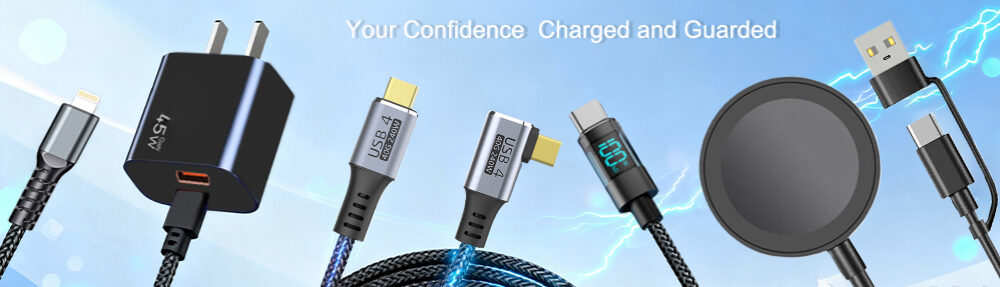
Mobile phone accessories are more than just add-ons; they are essential tools that enhance our smartphone experiences. From stylish cases to innovative chargers, custom mobile phone accessories can set your product line apart. If you’re considering venturing into the world of custom accessories, particularly by sourcing them from China, you’ll want to explore effective strategies for finding reliable suppliers. This article dives into the process of creating custom mobile accessories and provides workable plans for connecting with trustworthy suppliers in China.

## Understanding the Demand for Custom Mobile Accessories

Before venturing into production, it’s vital to understand why there’s a growing demand for custom mobile phone accessories. Consumers today are looking for products that not only serve a functional purpose but also reflect their personal style and preferences. This creates an excellent opportunity for entrepreneurs and businesses to cater to niche markets.

Moreover, with the rise of increasingly sophisticated smartphones, the accessories market is expanding rapidly. Items such as mobile travel chargers and USB car chargers wholesale are becoming must-have items for tech-savvy consumers who are always on the go. By tapping into this demand, businesses can capitalize on a lucrative market filled with possibilities.

## Finding Reliable Suppliers in China

When it comes to sourcing mobile accessories wholesale from China, establishing connections with reliable suppliers is paramount. Here are some strategies to help you navigate this critical step effectively:

### 1. Utilize Online Marketplaces

Online platforms like Alibaba, Made-in-China, and Global Sources provide a vast database of manufacturers and suppliers specializing in mobile accessories. Start by browsing these marketplaces to find potential suppliers. Look for those with positive ratings, verified status, and customer reviews. This initial research will give you a good sense of the suppliers’ credibility and capability to handle your custom requests.

### 2. Attend Trade Shows

If possible, attend trade shows or expos focused on electronics and mobile accessories in China, such as the Canton Fair or the Shenzhen International Consumer Electronics Show. These events are fantastic opportunities to meet suppliers face-to-face, see their products firsthand, and negotiate terms directly. Building personal relationships can lead to better business deals and trusted partnerships.

### 3. Use Social Media and Industry Networks

Engaging with communities on platforms like LinkedIn, Facebook, and industry-specific forums can also yield valuable leads. Join groups dedicated to mobile accessories or entrepreneurship, where members often share insights and recommendations for reputable suppliers. Don’t hesitate to ask for advice; many experienced entrepreneurs are willing to share their knowledge and contacts.

### 4. Conduct Thorough Background Checks

Always perform background checks on potential suppliers before committing to any orders. Request samples of their products (such as mobile travel chargers) to assess quality. You can also reach out to previous clients if possible to gauge their satisfaction with the supplier. A little due diligence can save you from potential pitfalls down the road, ensuring you partner with a provider that meets your expectations and standards.

## Designing Your Custom Mobile Phone Accessories

Once you’ve established contact with reliable suppliers, the next step is designing your custom mobile accessories. This process involves several key considerations:

### 1. Identifying Your Target Market

Decide who your target audience is. Knowing whether you’re aiming at tech enthusiasts, everyday consumers, or specific demographics can significantly impact your design choices. Research trends within your target market to ensure your products resonate with consumer preferences.

### 2. Collaborating with Designers

If you’re not a designer yourself, collaboration is key. Work with professionals who can bring your ideas to life while maintaining functionality. Think about aesthetics, usability, and ergonomics. Engaging a designer with experience in creating accessories can also ensure compliance with market needs and current trends.

### 3. Prototyping and Testing

Once designs are set, it’s crucial to move into prototyping. Create samples of your products and gather feedback from a test group. This phase allows you to identify potential issues and make necessary adjustments before full-scale production begins. It’s an essential part of the process that can save time and resources later on.

## Navigating Logistics and Quality Control

Getting your mobile accessories from China to your market requires careful attention to logistics and quality control. Here’s how to streamline this process:

### 1. Choose the Right Shipping Method

Depending on your volume, you may opt for air freight or sea freight. Air freight is faster but more costly, making it suitable for smaller batches or time-sensitive products. Sea freight is more economical but requires longer shipping times. Evaluate your needs carefully to determine the best option.

### 2. Ensure Quality Control

Quality control is critical when importing products. Establish clear quality standards with your supplier before starting production. This could include specifications for materials, color accuracy, and functionality tests. Consider hiring a third-party inspection service in China to verify product quality before shipment. Their expertise can provide an additional layer of assurance that your products will meet your expectations.

### 3. Familiarize Yourself with Import Regulations

Understanding import regulations and duties for your country will help prevent any unexpected costs or delays at customs. Be aware of the regulations that pertain specifically to electronic devices, as these can vary greatly depending on your location. Consulting with a customs broker can simplify this process and ensure compliance with all legal requirements.

## Conclusion: Seizing Opportunities in the Mobile Accessories Market

Creating custom mobile phone accessories from China offers exciting opportunities for entrepreneurs looking to make their mark in the market. By understanding consumer demand, finding trustworthy suppliers, designing unique products, and navigating logistics effectively, you can position your business for success.

As you embark on this journey, focus on building relationships, maintaining high-quality standards, and staying attuned to market trends. With dedication and a strategic approach, you can create a thriving business that caters to the ever-growing need for innovative mobile accessories. Whether you’re interested in mobile travel chargers, USB car chargers wholesale, or other customized products, the possibilities are endless in this dynamic industry. So roll up your sleeves and get ready to tap into this vibrant market!

Understanding USB-C Power Delivery: A Comprehensive Guide

In today’s tech-savvy world, understanding the ins and outs of charging technology can greatly enhance your device experience. One of the leading technologies in this category is USB-C Power Delivery (PD). Whether you’re a tech enthusiast, a casual user, or somewhere in between, grasping the essentials of USB-C PD can help you make informed decisions about your devices, charging accessories, and overall efficiency. In this article, we’ll delve into what USB-C Power Delivery is, how to choose a good PD cable and charger, and much more.

### What is USB-C Power Delivery?

USB-C Power Delivery is a universal charging standard designed to provide faster and more efficient power transfer. Unlike traditional USB charging methods, USB-C PD allows for higher wattage delivery, making it possible to charge a wide variety of devices, from smartphones to laptops, with one cable. The technology enables power levels of up to 100 watts, which means you can charge larger devices, such as MacBooks or gaming laptops, at unprecedented speeds.

One of the standout features of USB-C PD is its versatility. A single USB-C PD cable can negotiate power requirements and adjust accordingly based on the connected device. This negotiation happens automatically thanks to a feature known as “role swapping,” which allows devices to either send or receive power efficiently. Moreover, USB-C PD supports data transfer and video output, making it an essential multifunctional tool for modern tech users.

### How to Choose a Good USB-C PD Cable

When it comes to selecting a USB-C PD cable, not all cables are created equal. Here are some critical factors to consider to ensure you choose a good USB-C PD cable that meets your needs:

1. **Wattage Rating**: The first thing to check is the wattage rating of the cable. If you intend to charge power-hungry devices like laptops, look for cables that support at least 60 watts or higher. For smartphones and tablets, a lower wattage (18-30 watts) may suffice.

2. **Certification**: Always opt for cables that are certified by organizations like USB-IF (USB Implementers Forum). Certification ensures that the cable meets industry standards for safety and performance, reducing the risk of overheating or malfunctioning.

3. **Length**: Consider the cable length based on your usage. Longer cables (6 feet or more) offer flexibility but may impact charging speed due to voltage drop. Shorter cables are usually better for quick charging and minimal loss in power delivery.

4. **Material Quality**: Look for cables that use high-quality materials like nylon braided exteriors for durability. A well-constructed cable can withstand daily wear and tear, which is especially important if you’re frequently on the go.

5. **Data Transfer Rate**: If you plan to use the cable for data transfer in addition to charging, check the specifications for data rate capability. A cable with USB 3.1 or above will offer faster data transfer speeds.

### Selecting the Right USB-C Power Charger

Just as important as having a quality USB-C PD cable is choosing the right USB-C power charger. Here’s how to find a charger that suits your needs:

1. **Power Output**: Check the charger’s power output, which is commonly expressed in watts. Ensure it matches or exceeds the requirements of the device you’re charging. For example, a laptop may require a charger that outputs 45W or more, while a smartphone generally needs 18W.

2. **Port Count**: If you have multiple devices, look for a charger with multiple USB-C PD ports. This lets you charge several gadgets simultaneously without compromising on speed or efficiency.

3. **Smart Charge Technology**: Look for chargers that feature smart charging technology. These chargers can detect the optimal charging current needed for your device, ensuring a safe and fast charging process.

4. **Safety Features**: Choose chargers equipped with built-in safety features such as overcurrent protection, short-circuit prevention, and temperature control. Safety should always be a priority to protect both your devices and yourself.

5. **Brand Reputation**: Opt for brands known for reliable products. Reading reviews and checking warranty information can provide insights into a brand’s reliability and customer service.

### Frequently Asked Questions about USB-C Power Delivery

#### Q1: Can I use a regular USB-C cable for Power Delivery?

A1: While some regular USB-C cables might support low-power charging, using a certified USB-C PD cable is recommended for optimal performance, especially if you want to utilize the full capabilities of USB-C Power Delivery.

#### Q2: Is it safe to use third-party chargers and cables?

A2: Yes, provided they are certified and from reputable brands. Always check for certifications like USB-IF to ensure safety and performance.

#### Q3: Does using a higher wattage charger harm my device?

A3: No, most devices will only draw the amount of power they require. Using a higher wattage charger will simply enable faster charging speeds within the limits of your device’s capabilities.

### Conclusion

Navigating the world of USB-C Power Delivery doesn’t have to be intimidating. By understanding the basics of what USB-C PD entails, how to select quality cables and chargers, and keeping an eye on safety and efficiency, you can enhance your charging experience and optimize your device usage. Investing in the right USB-C PD cable and USB-C power charger can lead to faster charging times, reduced clutter with fewer cables, and a more organized tech ecosystem overall. Embrace the future of charging—USB-C Power Delivery is here to stay!

The Difference Between Charging Cables and Data Cables: What You Need to Know

In a world where our lives are increasingly intertwined with technology, understanding the tools we use every day is essential. Among these tools, charging cables and data cables play crucial roles in keeping our devices powered and connected. However, many people often confuse the two. In this article, we’ll explore the key differences between charging cables and data cables, helping you make informed decisions for your tech needs.

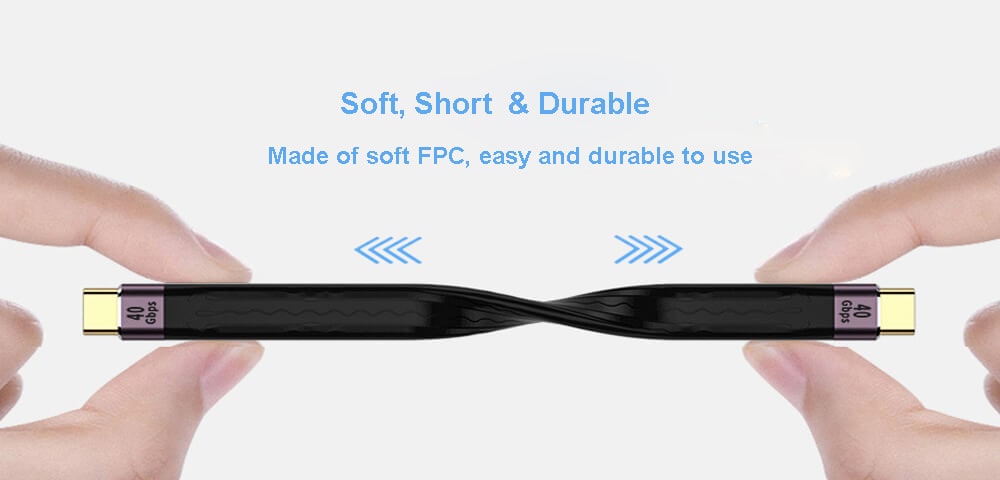
Durable USB C to USB C cables Wholesale

Durable USB C to USB C cables Wholesale

### Understanding Charging Cables

Charging cables are designed primarily to supply power to your devices. These cables vary in design, length, and connector type, but their main function remains the same: transferring electrical energy from a power source to your gadgets. Whether it’s your smartphone, tablet, or laptop, a charging cable ensures that your device stays powered throughout the day.

Most charging cables consist of two main components: the conductor and the insulation. The conductor, often made of copper or aluminum, carries electricity, while the insulation safeguards the conductor from environmental elements and physical damage. Depending on the cable’s specifications, it can support various charging speeds, which might be affected by factors such as cable length, gauge, and connector type.

While most charging cables focus solely on power transfer, some modern cables have been designed to handle both charging and data transfer simultaneously. These dual-purpose cables can provide convenience, allowing you to charge your device and sync data at the same time. However, not all charging cables offer this capability, so it’s essential to check the specifications before making a purchase.

### Delving into Data Cables

On the other hand, data cables are specifically designed for transferring data between devices. They facilitate communication between two electronic devices, enabling activities like file transfer, syncing, and even connecting to the internet. Data cables come in various formats, such as USB, HDMI, and Ethernet, each serving different purposes based on the type of data being transmitted.

The construction of data cables is also pivotal to their performance. High-quality data cables often feature multiple twisted pairs of wires, ensuring that data signals can travel with minimal interference. This is particularly important for high-speed data transfer, where even slight interruptions can result in errors or slow connectivity.

When considering data cables, it’s essential to understand that not all data cables are built equal. For instance, USB data cables can vary significantly in their capabilities—from USB 2.0, which supports lower transfer speeds, to USB 3.1, which can reach astonishing rates suitable for large file transfers and high-definition video streaming. Make sure to choose a data cable that aligns with your specific data transfer needs.

### Key Differences Between Charging Cables and Data Cables

Understanding the fundamental differences between charging and data cables is crucial, especially if you want to optimize the performance of your devices. Here are some of the key distinctions:

1. **Purpose**: As mentioned earlier, charging cables are designed to deliver power, while data cables facilitate communication and data transfer.

2. **Construction**: Charging cables typically have fewer wires, designed mainly for power transmission. In contrast, data cables have more intricate designs with multiple wire pairs to handle data transfer efficiently.

3. **Compatibility**: Not all charging cables can be used for data transfer, and vice versa. While some cables can perform both functions, many are tailored for one primary purpose. It’s important to check the specifications to ensure compatibility with your needs.

4. **Speed**: Charging cables may support various charging speeds (fast charging vs. standard charging) but typically do not influence data transfer speeds. Meanwhile, data cables can vary widely in their data transfer speeds depending on technological standards (USB 2.0 vs. USB 3.1, for example).

### Choosing the Right Cable for Your Needs

With an array of options available in the market, choosing the right cable for your device can be overwhelming. Here are some tips to help you make the best decision:

– **Identify Your Needs**: Consider what you will primarily be using the cable for—charging, data transfer, or both. If you often transfer files between devices, investing in a high-quality data cable is essential. On the other hand, if you’re mainly charging devices, focus on finding a cable that supports fast charging.

– **Check Compatibility**: Ensure that the cable you select is compatible with your devices. Different devices may require specific connectors (like USB-C, Lightning, or Micro-USB), so double-check the specifications before you buy.

– **Look for Quality**: Opt for reputable brands and cables that boast good reviews. Higher-quality cables often last longer and provide better performance, reducing the chances of overheating or malfunction.

– **Consider Length**: Think about how far away your devices will be from the power source. Longer cables offer flexibility but may reduce efficiency, especially for charging. Choose a length that strikes a balance between convenience and effectiveness.

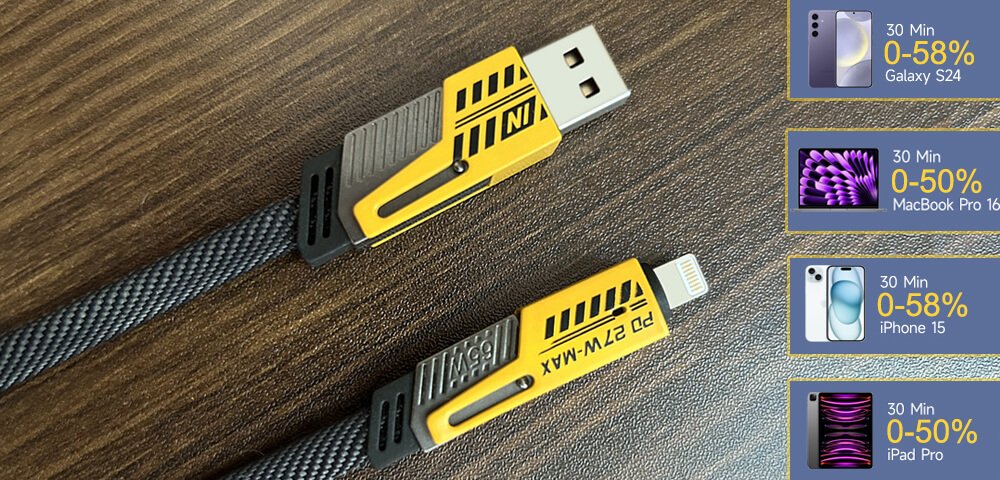
Multi USB data cables wholesale

Multi USB data cables wholesale

### Conclusion

In conclusion, understanding the difference between charging cables and data cables is vital for effectively managing your electronic devices. Charging cables ensure your gadgets remain powered, while data cables facilitate seamless communication and data transfer. By recognizing their distinct purposes, construction, and specifications, you’ll be better equipped to choose the right cable for your needs.

Whether you’re a tech novice or a seasoned enthusiast, having the right cable can significantly enhance your user experience. So next time you’re shopping for cables, remember the key differences and choose wisely! Your devices will thank you for it.