USB-C vs. Thunderbolt Cables: Key Differences Explained

In today’s fast-paced tech world, choosing the right cable can make a huge difference in charging speed, data transfer, and device compatibility. Two of the most popular options are USB-C and Thunderbolt cables, but many people confuse them or assume they’re the same.

USB5 Thunderbolt cables wholesale

USB5 Thunderbolt cables wholesale

If you’re a wholesale buyer looking for USB cables wholesale or Thunderbolt cables wholesale, understanding their differences is crucial for making informed purchasing decisions. This guide breaks down everything you need to know—design, speed, power delivery, compatibility, and pricing—so you can stock the right cables for your customers.


1. What Are USB-C and Thunderbolt Cables?

USB-C Cables

  • Universal standard developed by the USB Implementers Forum (USB-IF).

  • Reversible connector (no wrong way to plug in).

  • Used for charging, data transfer, and video output.

  • Common in smartphones, laptops, tablets, and accessories.

Thunderbolt Cables

  • Developed by Intel (in collaboration with Apple).

  • Uses the USB-C connector but offers higher performance.

  • Supports ultra-fast data transfer, high-resolution displays, and power delivery.

  • Found in premium laptops (MacBooks, high-end PCs), external GPUs, and 4K/8K monitors.


2. Key Differences Between USB-C and Thunderbolt Cables

A) Data Transfer Speed

FeatureUSB-C (USB 3.2 Gen 2)Thunderbolt 3Thunderbolt 4
Max Speed10 Gbps – 20 Gbps40 Gbps40 Gbps
Best ForEveryday file transfers4K video, external SSDs, gamingProfessional workflows, daisy-chaining
  • USB-C (USB 3.2/4.0): Good for general use (phones, basic laptops).

  • Thunderbolt 3/4: Ideal for high-speed storage, video editing, and gaming.

B) Power Delivery (Charging)

FeatureUSB-CThunderbolt 3/4
Max Power100W (USB PD)100W (USB PD)
Fast ChargingYes (varies by cable)Yes (consistent high power)
  • Both support 100W fast charging, but Thunderbolt cables often have better power stability.

C) Video Output

FeatureUSB-CThunderbolt 3/4
Max Resolution4K @ 60Hz8K @ 60Hz or dual 4K @ 60Hz
Display SupportSingle monitorMultiple monitors (daisy-chaining)
  • Thunderbolt is better for multi-monitor setups and high-end displays.

D) Compatibility

FeatureUSB-CThunderbolt
Works with USB-C devices?YesYes (but may need Thunderbolt port)
Works with Thunderbolt devices?No (unless Thunderbolt-certified)Yes
  • USB-C cables work with most modern devices.

  • Thunderbolt cables require Thunderbolt-enabled ports (common in MacBooks, high-end PCs).

E) Price (Wholesale Considerations)

Cable TypeApprox. Wholesale Price (Bulk)
USB-C Cable (10Gbps)$1 – $3 per unit
Thunderbolt 3 Cable (40Gbps)$8 – $15 per unit
Thunderbolt 4 Cable (40Gbps)$12 – $20 per unit
  • USB-C is more affordable, making it great for budget-friendly wholesale orders.

  • Thunderbolt cables cost more but cater to premium markets.


3. Which One Should You Buy Wholesale?

Choose USB-C Cables Wholesale If:

✔ You sell to general consumers (phones, tablets, budget laptops).
✔ Your customers need affordable charging & data cables.
✔ You want high-volume, low-cost inventory.

Choose Thunderbolt Cables Wholesale If:

✔ Your clients use high-end laptops (MacBook Pro, Dell XPS, etc.).
✔ They need ultra-fast data transfer (video editors, gamers, professionals).
✔ You’re targeting premium or B2B markets.


4. Best-Selling Wholesale Options

A) USB-C Cables Wholesale (Top Picks)

  • USB-C to USB-C (20Gbps, 100W PD) – Best for fast charging & data.

  • USB-C to Lightning (MFi-Certified) – Popular for iPhones & iPads.

  • USB-A to USB-C (10Gbps) – Backward compatibility.

240W USB-C cables

240W USB-C cables

B) Thunderbolt Cables Wholesale (Top Picks)

  • Thunderbolt 3 (40Gbps, 100W PD) – Great for MacBooks & gaming.

  • Thunderbolt 4 (40Gbps, 8K support) – Future-proof for professionals.

  • Active Thunderbolt Cables (Longer reach, 2m+) – Ideal for workstations.


5. Conclusion: Stock the Right Cables for Your Market

Understanding the differences between USB-C and Thunderbolt cables helps you make smarter wholesale choices.

  • USB-C cables wholesale = Best for budget-friendly, high-volume sales.

  • Thunderbolt cables wholesale = Ideal for premium, high-performance markets.

Looking for a reliable data cables wholesale supplier? Lider offers top-quality USB-C and Thunderbolt cables in bulk at competitive prices. Contact us today for wholesale inquiries!

USB Cables wholesale and USB-C chargers: How to Select the Best One for Your Business

In today’s tech-driven world, reliable cell phone chargers and cables are essential for both personal and professional use. For businesses, selecting the right charging solutions can enhance customer satisfaction, streamline operations, and boost profitability. Whether you’re a retailer, distributor, or corporate buyer, understanding how to choose high-quality products from trusted USB cables wholesale suppliers or USB C chargers wholesale suppliers is critical. This guide will walk you through key considerations, from assessing technical specifications to partnering with a reputable home chargers manufacturer in China, ensuring your business stays ahead in a competitive market.


1. Understand Your Business Needs

Before diving into product selection, define your business goals. Ask:

  • Who is your target audience? Retail customers, corporate clients, or hospitality sectors have different needs.
  • What devices are most common? Prioritize compatibility with popular smartphones, tablets, or laptops.
  • What volume do you need? Purchasing USB cables wholesale or USB C chargers wholesale requires balancing bulk discounts with inventory management.

For example, hotels may need durable home chargers for guest rooms, while electronics retailers might focus on fast-charging USB-C models. Align your product choices with customer demand.


2. Evaluate Charger and Cable Types

Not all chargers and cables are created equal. Focus on these factors:

a. Connector Types

  • USB-C: The universal standard for modern devices, offering fast charging and reversibility. Source from USB C chargers wholesale suppliers to future-proof your inventory.
  • USB-A: Still relevant for older devices but being phased out.
  • Lightning: Essential for Apple products (pre-2023 models).

b. Power Delivery Standards

  • PD (Power Delivery): Supports high-speed charging for laptops and premium smartphones.
  • QC (Quick Charge): Ideal for Android devices. Ensure chargers meet these certifications for reliability.

c. Durability and Design

Look for features like braided nylon casing, reinforced connectors, and tangle-free designs—key selling points for custom USB cables wholesale orders.


3. Partner with Reputable Suppliers

Sourcing from reliable mobile phone accessories suppliers ensures quality and consistency. Here’s how to vet partners:

a. Prioritize Certified Manufacturers

Choose a home chargers manufacturer in China with certifications like CE, FCC, RoHS, and UL. These indicate compliance with safety and environmental standards.

b. Request Samples from USB cables wholesale and USB-C chargers wholesale suppliers

Test samples for performance, durability, and compatibility before committing to bulk USB cables wholesale purchases.

c. Evaluate Customization Options

If branding matters, work with suppliers offering custom USB cables wholesale services. Options include:

  • Logo printing.
  • Unique packaging.
  • Tailored cable lengths/colors.

4. Consider Cost vs. Quality

While budget is important, cutting corners on quality can damage your reputation. Strategies to balance both:

  • Bulk DiscountsUSB C chargers wholesale suppliers often offer lower per-unit prices for large orders.
  • MOQs (Minimum Order Quantities): Negotiate flexible MOQs to avoid overstocking.
  • Warranty: Opt for suppliers providing warranties, reducing long-term costs.

5. Focus on Compliance and Logistics

a. Safety Certifications

Ensure products meet regional regulations. For example, chargers sold in the EU require CE marks, while the US mandates FCC compliance.

b. Efficient Shipping

Partner with a home chargers manufacturer in China experienced in global logistics. Discuss:

  • Shipping methods (air vs. sea).
  • Delivery timelines.
  • Import/export documentation.

6. Embrace Customization and Innovation USB cables wholesale and USB chargers wholosale

Stand out in the market with tailored solutions:

  • Custom USB Cables: Offer branded cables for corporate clients or events.
  • Eco-Friendly Options: Sustainable materials appeal to environmentally conscious buyers.
  • Tech Upgrades: Stay updated on trends like GaN (Gallium Nitride) chargers, which are compact and energy-efficient.

7. Build Long-Term Supplier Relationships

A trustworthy USB C chargers wholesale supplier or home chargers manufacturer in China can become a strategic partner. Look for:

  • Transparent communication.
  • Consistent quality.
  • Flexibility in order adjustments.

8. Future-Proof Your Inventory

Anticipate industry shifts:

  • USB-C Dominance: With Apple and Android adopting USB-C, prioritize these products.
  • Wireless Charging: Explore Qi-certified pads for complementary offerings.

Conclusion

Selecting the best cell phone chargers and cables for your business involves a mix of technical knowledge, supplier vetting, and market insight. By partnering with certified USB cables wholesale suppliers or a reliable home chargers manufacturer in China, you can ensure quality, compliance, and customer satisfaction. Stay agile, embrace innovation, and prioritize relationships with suppliers who align with your business goals. Ready to elevate your inventory? Connect with trusted USB C chargers wholesale suppliers today to secure competitive pricing and cutting-edge products!

How to Purchase Mobile Phone Accessories from Asia: Tips & Guides

Looking to purchase mobile phone accessories wholesale for your retail or corporate business? Here goes the tips and guides for bulk purchasing orders of high-quality cases, chargers, screen protectors, and more. Asia, particularly China, South Korea, and Taiwan, has emerged as the epicenter of manufacturing and wholesale distribution for these items.
 
For businesses looking to source high-quality, affordable mobile wholesale phone accessories catalog supports all major brands and models. Asia offers unparalleled opportunities. This guide will walk you through the process of purchasing phone accessories from Asia, covering everything from identifying reliable suppliers to navigating logistics. We’ll also explore key product categories like travel chargers wholesale, car chargers wholesale, and data cables wholesale with flexible OEM services and custom logo printing to build your brand identity, while highlighting industry leaders such as Lider Mobile Accessories.  
Mobile Phone Accessories Wholesale Supplier

Why Source Mobile Phone Accessories from Asia?

1. Cost Efficiency

Asian manufacturers benefit from economies of scale, lower labor costs, and advanced production technologies. This allows them to offer competitive pricing, especially for bulk orders. For example, data cables wholesale from Shenzhen, China, can cost up to 60% less than those produced in Western countries.  

2. Diverse Product Range

Asia’s electronics hubs, such as Shenzhen (China) and Seoul (South Korea), are innovation powerhouses. Suppliers here produce everything from basic car chargers wholesale to cutting-edge wireless charging pads and multi-port travel chargers wholesale.  

3. Established Supply Chains

Decades of specialization in electronics manufacturing have refined Asia’s supply chains. Platforms like Alibaba, Global Sources, and Made-in-China connect buyers with vetted suppliers, streamlining the procurement process.  

4. Customization Opportunities

Many Asian suppliers offer OEM (Original Equipment Manufacturing) and ODM (Original Design Manufacturing) services, enabling businesses to customize products with branding or unique features.  

Step 1: Identify Reliable Suppliers

Finding trustworthy suppliers is critical to ensuring product quality and timely delivery. Here’s how to start:  

A. Research Online Marketplaces

– Alibaba: The largest B2B platform connecting global buyers with Asian manufacturers. Look for suppliers with “Gold Supplier” status and verified transaction histories.  
– Global Sources: Specializes in electronics and offers curated supplier lists for mobile phone accessories.  
– Made-in-China: Ideal for niche products like travel chargers wholesale or car chargers wholesale.  
 
Pro Tip: Filter suppliers by response rate, certifications (e.g., ISO, RoHS), and minimum order quantities (MOQs).  

B. Attend Trade Shows

Events like the Canton Fair (China), Hong Kong Electronics Fair, and CES Asia provide opportunities to meet suppliers like Lider Mobile Accessories in person. These events allow you to inspect product samples and negotiate terms face-to-face. 

C. Verify Supplier Credentials

– Request business licenses and factory audit reports.  
– Check online reviews and ask for references from past clients.  
– Use third-party inspection services (e.g., SGS, Bureau Veritas) to verify product quality before shipping.

Step 2: Focus on Key Product Categories

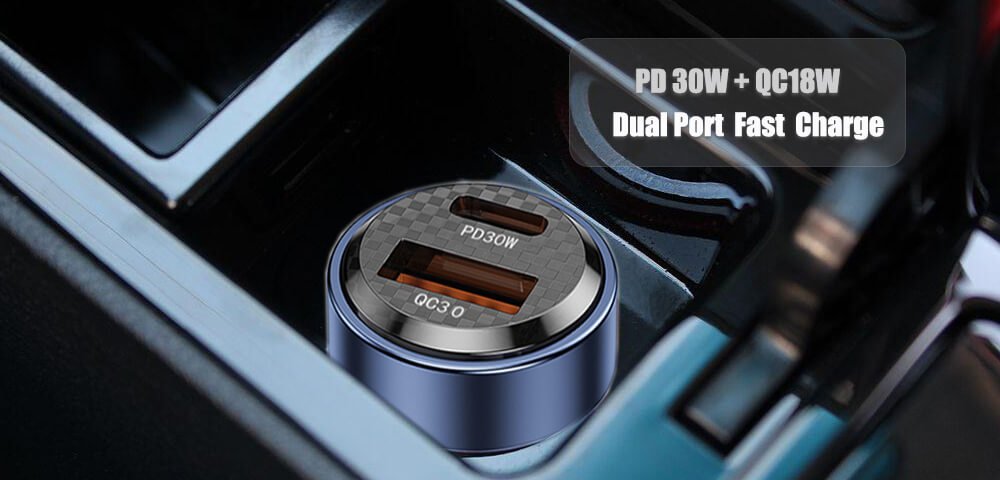
PD 30W car charger wholesale

1. Travel Charggers Wholesale

Travel chargers are in high demand due to their portability and compatibility with international voltage standards. When sourcing:  
– Ensure certifications like CE, FCC, and UL for safety.  
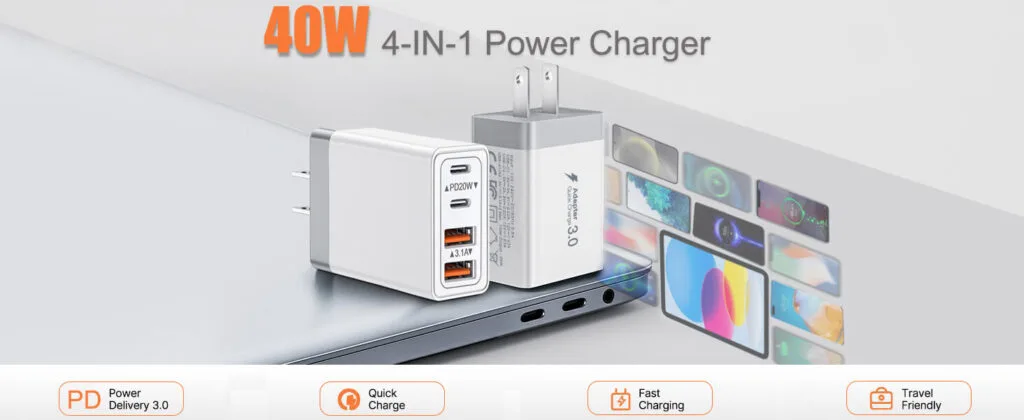
– Prioritize compact designs with USB-C and fast-charging capabilities.  
– Suppliers like Lider Mobile Accessories often offer multi-device chargers with interchangeable plugs for global markets.

2. Car Charggers Wholesale

Car chargers must balance durability and performance. Key considerations:  
– Look for products with built-in surge protection and heat resistance.  
– Opt for dual-port designs (USB-A and USB-C) to cater to diverse devices.  
– Verify compatibility with vehicle power outlets (12V/24V).  

3. Data Cables Wholesale

Data cables are a staple accessory. Focus on:  
– Durability: Nylon-braided cables last longer than rubber-coated ones.  
– Speed: USB 3.0 and USB-C cables support faster data transfer and charging.  
– Certification: MFi (Made for iPhone) certification is essential for Apple-compatible cables.  

Step 3: Negotiate Terms and Pricing

Asian suppliers often expect negotiation, especially for large orders. Strategies include:  
– Bulk Discounts: Lower per-unit costs by increasing order volumes. For example, ordering 10,000 data cables wholesale instead of 1,000.
– Payment Terms: Offer a 30% deposit with the balance paid after inspection. Avoid 100% upfront payments.  
– MOQ Flexibility: Start with smaller trial orders to test quality before committing to large volumes.
Case Study: A U.S.-based retailer partnered with Lider Mobile Accessories to source 5,000 travel chargers wholesale. By negotiating a 15% discount for a 12-month contract, they secured a competitive edge in their local market.  

Step 4: Navigate Logistics and Customs

Shipping and import regulations can complicate international purchases. Follow these steps:

1. Choose Shipping Methods

– Sea Freight: Cost-effective for large shipments (e.g., 10,000+ units of car chargers wholesale).  
– Air Freight: Faster but pricier; ideal for urgent orders.  
– DDP (Delivered Duty Paid): Let suppliers handle customs clearance for hassle-free delivery.

2. Understand Import Duties

Research your country’s tariff codes for mobile phone accessories. For instance, the U.S. imposes a 3.9% duty on USB cables under HTS code 8544.42.2000.

3. Prepare Documentation

Ensure invoices, packing lists, and certificates of origin are accurate to avoid customs delays.

Step 5: Build Long-Term Partnerships

Consistency is key to successful wholesale relationships. Maintain trust by:  
– Communicating clearly and respecting cultural differences.  
– Providing feedback on product quality.  
– Exploring collaborative opportunities for new product development.  

Pitfalls to Avoid

1. Ignoring Quality Control  

 Always request samples and conduct third-party inspections. A batch of faulty data cables wholesale can damage your brand reputation.

2.Overlooking Compliance

Non-compliant products (e.g., lacking safety certifications) risk being seized at customs.

3. Rushing Negotiations

Take time to vet suppliers. Rushed deals with unverified partners often lead to scams.

Why Choose Lider Mobile Accessories?

Lider Mobile Accessories exemplifies the advantages of sourcing from Asia. As a leading Guangzhou-based supplier, they offer:  
– A vast catalog of phone accessories wholesale, including travel chargers, car chargers, and data cables.  
– Competitive MOQs (e.g., 500 units for customized orders).  
– Compliance with international standards and 24/7 customer support.  

Conclusion

4IN1 QC PD Power adapter  - Mobile Phone Accessories Wholesale

Sourcing mobile phone accessories from Asia requires meticulous planning, but the rewards—cost savings, product diversity, and scalability—are immense. By leveraging platforms like Alibaba, attending trade shows, and partnering with reputable suppliers like Lider Mobile Accessories, businesses can secure high-quality travel chargers wholesale, car chargers wholesale, and data cables wholesale to meet growing consumer demand. Prioritize due diligence, foster strong supplier relationships, and stay informed about market trends to thrive in this competitive industry.  

With this guide, you’re now equipped to navigate the complexities of Asian procurement and build a profitable mobile accessories business. Happy sourcing!

Difference between a 2-pin and 3-pin Plug

Introduction
Electricity is an essential part of our daily lives, and the plugs we use to power our devices play a crucial role in this process. Understanding the difference between a 2-pin and 3-pin plug is essential for anyone who wants to ensure safe and efficient electrical usage. In this article, we will explore the fundamental difference between a 2-pin and 3-pin plug, analyzing their structure, usage, and safety considerations. We will also provide photographs to aid in the understanding process.

Travel Adapter Converter Wholesale

Travel Adapter Converter Wholesale


Structure and Function of a 2-Pin Plug
A 2-pin plug is a simple electrical connector that typically consists of two prongs or pins. These pins are designed to fit into corresponding slots in a power socket or outlet. The structure of a 2-pin plug varies depending on the region and type of electrical system, but generally, they consist of a grounding pin and a live pin.
The grounding pin is usually the larger of the two pins and is designed to make contact with the grounding slot in the power socket. This helps to ensure that any electrical current is safely directed to the ground, preventing shocks or damage to the device. The live pin carries the electrical current from the device to the power source.
In many countries, such as the United States and some parts of Europe, 2-pin plugs are commonly used for small appliances and electronics that do not require a third grounding pin.

Structure and Function of a 3-Pin Plug
A 3-pin plug is a more complex electrical connector that typically consists of three prongs or pins. These pins are designed to fit into corresponding slots in a power socket or outlet, providing additional safety features and functionality.
The three pins in a 3-pin plug usually include a grounding pin, a live pin, and a neutral pin. The grounding pin is similar to the one found in a 2-pin plug, providing a safe path for any electrical current to flow in case of a problem. The live pin carries the electrical current from the device to the power source, while the neutral pin completes the circuit by carrying the return current from the device back to the power source.

The additional neutral pin provides better stability and support for larger appliances or devices that require more power. It also helps to prevent electrical shocks by ensuring that all current flows through the intended path. 3-pin plugs are commonly used in countries where there is a need for additional safety measures, such as Australia, Europe, and many other parts of the world.

Usage and Safety Considerations
The usage and safety considerations for 2-pin and 3-pin plugs vary depending on their application and location. In general, it is important to ensure that the correct type of plug is used in accordance with local electrical standards and regulations.
For 2-pin plugs, it is essential to ensure that they are properly inserted into a matching socket or outlet. It is also important to avoid using damaged or worn plugs as they may pose a safety risk. Properly using 2-pin plugs can help prevent electrical shocks and damage to devices.

On the other hand, 3-pin plugs provide additional safety features that can be beneficial in certain situations. The neutral pin helps to distribute the load more evenly, reducing the risk of overheating or damage to the device. Additionally, the additional grounding provided by the third pin can help prevent electrical shocks in case of a problem with the device or its wiring.

However, even with 3-pin plugs, it is essential to follow safety guidelines such as using matching sockets or outlets, avoiding overloading circuits, and regularly checking for damage or wear on plugs and sockets.

Photographs Analysis
Difference between a 2-pin and 3-pin Plug

Difference between a 2-pin and 3-pin Plug

To aid in understanding the difference between a 2-pin and 3-pin plug, we have included photographs of both types of plugs. Figure 1 shows a typical 2-pin plug with its two pins (grounding and live) visible. As mentioned earlier, this type of plug is commonly used in regions where there is no need for a neutral pin or additional safety measures.

Figure 2 depicts a typical 3-pin plug with all three pins (grounding, live, and neutral) visible. This type of plug provides additional safety features and functionality compared to a 2-pin plug. It is commonly used in regions where there is a need for additional safety measures or where larger appliances require more power and stability.

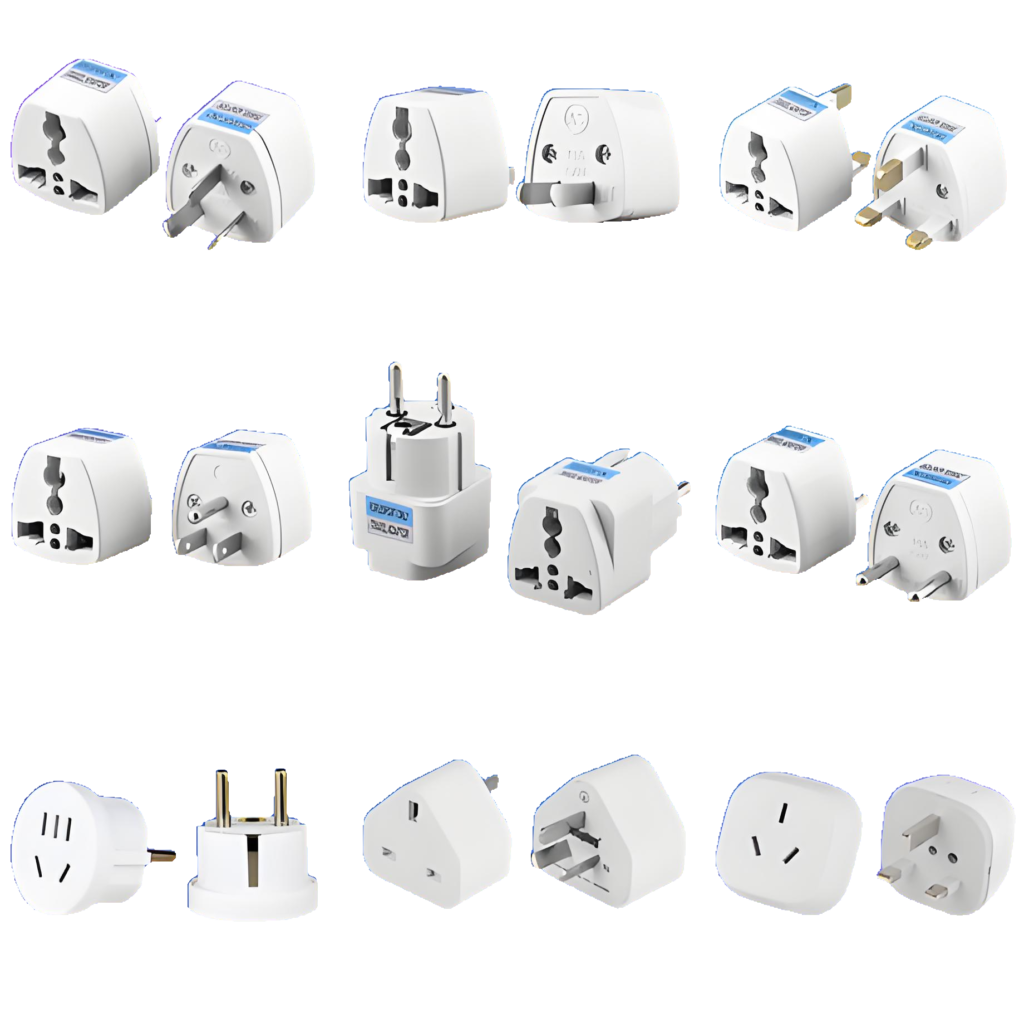
Worldwide Power Plug

Worldwide Power Plug


Conclusion
Understanding the difference between a 2-pin and 3-pin plug is essential for ensuring safe and efficient electrical usage. A 2-pin plug typically consists of two pins (grounding and live), while a 3-pin plug includes an additional neutral pin for improved stability and functionality. Proper usage and safety considerations should be followed to prevent potential issues such as electrical shocks or damage to devices. Through photographs, we hope you have gained a better understanding of both types of plugs and their respective applications based on local electrical standards and regulations.

Travel out of your country? Take this Universal Travel Adapter with you. Lider focus on mobile phone accessories and travel essentials wholesale.