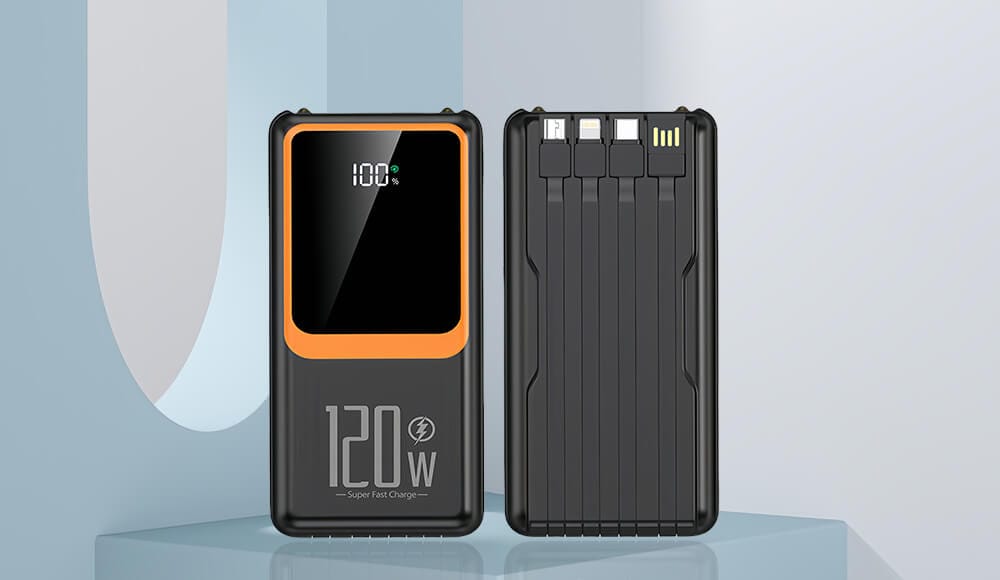
Multi GaN Chargers for Travellers: The Ultimate Guide to Lightweight Packing

For today’s travellers, the constant juggle of electronic devices—laptops, phones, tablets, cameras, and more—presents a familiar challenge: how to keep everything powered without carrying a separate charger for each device. Thanks to Gallium Nitride (GaN) technology, a new generation of power GaN chargers is revolutionising travel, allowing you to replace a heavy bundle of chargers with a single, compact device that fits in the palm of your hand.

This article explores why a GaN charger is an essential upgrade for your travel kit, offering a blend of power, portability, and convenience that traditional silicon-based chargers simply cannot match.

Why GaN Technology is a Game-Changer for Travel

The core advantage of GaN chargers lies in their material science. GaN is a semiconductor material that is more efficient and can operate at higher voltages and temperatures than traditional silicon. This efficiency translates into a dramatically smaller and lighter physical design without sacrificing power output.

For travellers, this means:

  • Reduced Size and Weight: A typical 65W GaN charger can be up to 40% smaller than a standard laptop charger, with some models weighing around 112 grams. This significant space saving is a major benefit for carry-on luggage.

  • High Power in a Small Package: Despite their small size, these chargers pack a serious punch. They can deliver enough power to quickly charge a MacBook Air, with some models capable of refuelling the battery to 35% in just 15 minutes.

  • Less Heat Generation: GaN technology is more energy-efficient, which means less power is wasted as heat, making the charger safer and more reliable.

Key Features to Look For in Travel GaN Chargers

When selecting the perfect GaN charger for your journeys, consider these essential features:

1. Sufficient Power (Wattage) and Multiple Ports

Your charger needs to match your most power-hungry device, usually a laptop. Look for at least 65W for modern ultrabooks, though 100W or 120W models are available for more demanding tasks or multiple devices. Multiple USB-C and USB-A ports are crucial for simultaneously charging your phone, tablet, and other gadgets.

2. Global Compatibility

A true travel charger should be your companion across the globe. The best models come with interchangeable or built-in plugs (like US, EU, UK, and AU standards) and support a wide input voltage range of 100-240V, making them safe to use in over 195 countries.

3. Intelligent Power Distribution

This smart feature automatically allocates the optimal power to each connected device. For example, when a laptop and phone are plugged in, the charger might intelligently switch to a 45W + 18W combination to ensure both charge efficiently.

4. Comprehensive Safety Protections

Safety is paramount. Ensure the charger has built-in protections against over-voltage, over-current, short-circuiting, and overheating. Look for certifications like CE, FCC, and RoHS as a mark of quality and safety.

5. Fast Charging Protocol Support

To get the fastest charge for a wide array of devices, your charger should support multiple fast-charging protocols, including Power Delivery (PD) 3.0 and Quick Charge (QC). This ensures compatibility with brands like Apple, Samsung, Huawei, and more.

Top GaN Chargers Model for Travellers

Here’s a comparison of some excellent options available:

Model Total Power Ports Key Travel Features Best For
ThinkPlus 65W GaN 65W Multiple USB-C/USB-A Ultra-light (112g), foldable plug, intelligent power The minimalist business traveller
Ahoku 65W GaN 65W 2xUSB-C, 2xUSB-A, AC socket 4 built-in international plugs, can charge up to 6 devices The traveller with diverse gear and non-USB devices
MOMAX GaN Travel Charger 65W 1xUSB-C PD, 4xUSB-A Integrated travel adapter, adjustable pins for tight sockets The frequent flyer who values all-in-one convenience
Verbatim 100W GaN 100W 3xUSB-C, 1xUSB-A Includes 4 interchangeable international plugs, high 100W output The power user with a high-performance laptop
Anker Prime 200W GaN 200W 4xUSB-C, 2xUSB-A Extremely high power for 6 devices, advanced safety features The digital nomad or family travelling with all their tech

Smart Travel Tips for Using Your GaN Chargers

  • Prioritise Your Ports: For the fastest charge, connect your most power-hungry device (like a laptop) to the primary USB-C port that supports the highest wattage.

  • Pack a Quality Cable: The charger is only as good as its cable. A durable, high-quality USB-C cable capable of handling high wattage is essential for achieving maximum charging speeds.

  • Check Voltage Compatibility: While GaN chargers typically support global voltage, it’s always wise to double-check the input specifications (100-240V) before use abroad.

Conclusion: Embrace Lighter, Smarter Travel

GaN charger technology has effectively solved the modern traveller’s power dilemma. By investing in a versatile GaN travel charger, you can drastically reduce the weight and clutter in your bag, ensure all your devices are reliably powered anywhere in the world, and never again have to choose which device gets charged first. It’s a small upgrade that makes a significant difference, turning charging from a hassle into a seamless part of your journey.

The Booming Market of Anti-Lost Phone Strap Cables Wholesale

The Ultimate Guide to Anti-Lost Phone Strap Cables Wholesale: Profiting from the $4.8B Mobile Security Market

Executive Summary

The anti-lost phone strap cables wholesale market is projected to reach $4.8B by 2027 (CAGR 12.3%), fueled by smartphone dependency and active lifestyles. This guide reveals how phone accessories or 3C wholesalers can capitalize on innovations like charging-integrated neck anti-lost straps, retractable security cables, and corporate safety lanyards – with profit margins up to 70%. Discover supplier selection, customization strategies, and emerging trends transforming this niche.


Section 1: Why Anti-Lost Straps Are Revolutionizing Mobile Security

1.1 The Drop Damage Epidemic

  • 68% of smartphone users damage devices from drops (Forrester)

  • Average repair cost: $250 for flagship models

  • Anti-lost charger cables solve two problems:
    ✅ Physical security (straps/clips)
    ✅ Power access (built-in charging)

1.2 Key Product Innovations

Feature Technical Advancement User Benefit
GaN-Integrated Straps 20W PD charging chips in lanyard clasps Charge while securing phone
Smart Breakaway Tech Magnetic release at 10-15lb force Prevents choking during accidents
Retractable Systems 1.5m tangle-free cables with auto-rewind No cable snagging
Multi-Device Hooks Rotating carabiners for phones/keys/ID All-in-one organization

Infographic: Market growth drivers for anti-lost accessories


Section 2: Wholesale Product Deep Dive

2.1 Top-Selling Categories

A) Neck Anti-Lost Straps (45% Market Share)

  • Premium Materials: Neoprene/SBR latex blends (sweat-resistant)

  • Security Features: RFID-blocking pouches + steel cable cores

  • Best Sellers:

    • MagLanyard Pro: MagSafe-compatible with 15W charging ($2.15/unit wholesale)

    • StealthVault: Hidden pocket for credit cards + detachable cable

B) Anti-Lost Charger Cables (30% Share)

  • Technical Specs:

    • Nylon-braided cables (10,000+ bend cycles)

    • USB-C/Lightning/Type-C variants

    • 3A fast charging + 480Mbps data transfer

  • MOQ Advantage: 500+ units at $0.95-$1.75

C) Specialty Straps

  • Wrist Security Straps: For runners/gym users

  • Badge Integrations: Corporate ID lanyards with charging ports

  • Child Safety Tethers: 3ft retractable cables for family travel

2.2 Customization Engine

Anti-lost customization cables lanyards

Anti-lost customization cables lanyards

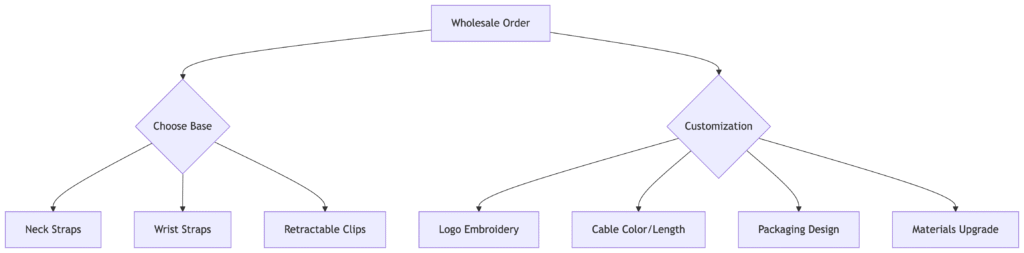
Customization workflow for bulk orders


Section 3: Target Markets & Sales Strategies

3.1 High-Yield Customer Segments

Segment Product Match Bundling Strategy
Corporate Gifting Branded badge lanyards + charging Add power banks + screen protectors
Travel Retail Passport neck straps + global adapters Bundle with TSA luggage scales
Fitness Industry Sweatproof arm straps Pair with wireless earbuds
Education Sector Campus ID lanyards with QR codes Include phone sanitizers

3.2 Proven Marketing Tactics

  1. Amazon FBA Optimization:

    • Keywords: “anti-lost phone strap cables wholesale” + “neck anti-lost straps”

    • A+ Content: Videos showing 10ft drop tests

  2. B2B Outreach:

    • Target: Hotel chains, gym franchises, event planners

    • Pitch: “Reduce staff phone damage costs by 80%”

  3. Social Proof:

    • Case Study: SprintMart reduced employee device losses by 92% using our straps


Section 4: Supplier Selection Guide

4.1 Must-Have Certifications

  • Safety: CE/FCC/RoHS compliance

  • Durability:

  • Materials: REACH/SGS certifications

4.2 Audit Checklist for Anti-Lost Cable Suppliers

  1. Manufacturing Capabilities:

    • In-house mold making for custom hooks/clasps

    • SMT assembly lines for charging circuits

  2. Quality Control:

    • 12-stage inspection protocol

    • Sample failure rate <0.2%

  3. Logistics Advantages:

    • FBA prep services

    • Sea/air freight options with DDP terms

4.3 Cost Breakdown (10,000 Unit Order)

Component Cost Per Unit Premium Upgrade
Base Neck Strap $0.70 Eco-leather ($1.10)
Charging Cable $0.45 100W GaN ($0.85)
Custom Embroidery $0.15 Metallic thread ($0.30)
Total Production $1.30 $2.25
Retail Price $12.99 $24.99

Section 5: Future Trends & Opportunities

5.1 Emerging Technologies

  • Smart Straps:

    • Bluetooth proximity alerts

    • UV phone sanitizers in clasps

  • Eco-Innovations:

    • Straps from recycled ocean plastics

    • Biodegradable cable jackets

5.2 Untapped Markets

  • Senior Care: Fall-detection lanyards with emergency buttons

  • Adventure Tourism: Waterproof straps with dive-case compatibility

  • Retail Theft Prevention: Electronic article surveillance (EAS) tags


Section 6: How to Start Wholesaling

6.1 Step-by-Step Process

  1. Niche Selection: Focus on high-margin segments (e.g., corporate or travel)

  2. Supplier Vetting:

    • Request samples with custom logos

    • Verify factory audits via Alibaba Trade Assurance

  3. Order Optimization:

    • Start with 500-unit test order

    • Use 30/40/30 inventory split: Basic/Custom/Premium

  4. Sales Channels:

    • Amazon FBA (35% margin)

    • Shopify B2B store (direct to businesses)

    • Local gyms/hotels (consignment deals)

6.2 Profit Calculator

text
Revenue = Units Sold × Average Retail Price ($19.99)  
Cost = (Unit Cost + Shipping + Marketing)  
Profit Margin = (Revenue - Cost) ÷ Revenue × 100

Example: 5,000 units @ $2.15 cost → $58,425 profit (63% margin)


Conclusion: Seize the $4.8B Opportunity

The anti-lost phone strap cables wholesale market offers unprecedented growth for savvy distributors. By combining technical innovation (charging integration), strategic customization, and targeted marketing, wholesalers can achieve:

  • 40-70% profit margins

  • Recurring corporate contracts

  • 5X inventory turnover rates

Ready to dominate this niche?
Download our Wholesale Starter Kit:

  • Supplier negotiation script

  • 2024 trend forecast report

  • Customs clearance checklist

USB Cables wholesale and USB-C chargers: How to Select the Best One for Your Business

In today’s tech-driven world, reliable cell phone chargers and cables are essential for both personal and professional use. For businesses, selecting the right charging solutions can enhance customer satisfaction, streamline operations, and boost profitability. Whether you’re a retailer, distributor, or corporate buyer, understanding how to choose high-quality products from trusted USB cables wholesale suppliers or USB C chargers wholesale suppliers is critical. This guide will walk you through key considerations, from assessing technical specifications to partnering with a reputable home chargers manufacturer in China, ensuring your business stays ahead in a competitive market.


1. Understand Your Business Needs

Before diving into product selection, define your business goals. Ask:

  • Who is your target audience? Retail customers, corporate clients, or hospitality sectors have different needs.
  • What devices are most common? Prioritize compatibility with popular smartphones, tablets, or laptops.
  • What volume do you need? Purchasing USB cables wholesale or USB C chargers wholesale requires balancing bulk discounts with inventory management.

For example, hotels may need durable home chargers for guest rooms, while electronics retailers might focus on fast-charging USB-C models. Align your product choices with customer demand.


2. Evaluate Charger and Cable Types

Not all chargers and cables are created equal. Focus on these factors:

a. Connector Types

  • USB-C: The universal standard for modern devices, offering fast charging and reversibility. Source from USB C chargers wholesale suppliers to future-proof your inventory.
  • USB-A: Still relevant for older devices but being phased out.
  • Lightning: Essential for Apple products (pre-2023 models).

b. Power Delivery Standards

  • PD (Power Delivery): Supports high-speed charging for laptops and premium smartphones.
  • QC (Quick Charge): Ideal for Android devices. Ensure chargers meet these certifications for reliability.

c. Durability and Design

Look for features like braided nylon casing, reinforced connectors, and tangle-free designs—key selling points for custom USB cables wholesale orders.


3. Partner with Reputable Suppliers

Sourcing from reliable mobile phone accessories suppliers ensures quality and consistency. Here’s how to vet partners:

a. Prioritize Certified Manufacturers

Choose a home chargers manufacturer in China with certifications like CE, FCC, RoHS, and UL. These indicate compliance with safety and environmental standards.

b. Request Samples from USB cables wholesale and USB-C chargers wholesale suppliers

Test samples for performance, durability, and compatibility before committing to bulk USB cables wholesale purchases.

c. Evaluate Customization Options

If branding matters, work with suppliers offering custom USB cables wholesale services. Options include:

  • Logo printing.
  • Unique packaging.
  • Tailored cable lengths/colors.

4. Consider Cost vs. Quality

While budget is important, cutting corners on quality can damage your reputation. Strategies to balance both:

  • Bulk DiscountsUSB C chargers wholesale suppliers often offer lower per-unit prices for large orders.
  • MOQs (Minimum Order Quantities): Negotiate flexible MOQs to avoid overstocking.
  • Warranty: Opt for suppliers providing warranties, reducing long-term costs.

5. Focus on Compliance and Logistics

a. Safety Certifications

Ensure products meet regional regulations. For example, chargers sold in the EU require CE marks, while the US mandates FCC compliance.

b. Efficient Shipping

Partner with a home chargers manufacturer in China experienced in global logistics. Discuss:

  • Shipping methods (air vs. sea).
  • Delivery timelines.
  • Import/export documentation.

6. Embrace Customization and Innovation USB cables wholesale and USB chargers wholosale

Stand out in the market with tailored solutions:

  • Custom USB Cables: Offer branded cables for corporate clients or events.
  • Eco-Friendly Options: Sustainable materials appeal to environmentally conscious buyers.
  • Tech Upgrades: Stay updated on trends like GaN (Gallium Nitride) chargers, which are compact and energy-efficient.

7. Build Long-Term Supplier Relationships

A trustworthy USB C chargers wholesale supplier or home chargers manufacturer in China can become a strategic partner. Look for:

  • Transparent communication.
  • Consistent quality.
  • Flexibility in order adjustments.

8. Future-Proof Your Inventory

Anticipate industry shifts:

  • USB-C Dominance: With Apple and Android adopting USB-C, prioritize these products.
  • Wireless Charging: Explore Qi-certified pads for complementary offerings.

Conclusion

Selecting the best cell phone chargers and cables for your business involves a mix of technical knowledge, supplier vetting, and market insight. By partnering with certified USB cables wholesale suppliers or a reliable home chargers manufacturer in China, you can ensure quality, compliance, and customer satisfaction. Stay agile, embrace innovation, and prioritize relationships with suppliers who align with your business goals. Ready to elevate your inventory? Connect with trusted USB C chargers wholesale suppliers today to secure competitive pricing and cutting-edge products!

Phone Charger Safety: 7 Warning Signs You Must Replace Your Charger Immediately

In our connected world, the humble phone charger is a lifeline. We use it daily, often without a second thought. Yet, this unassuming accessory sits at a dangerous crossroads: it manages high-voltage AC electricity from your wall outlet and converts it to lower-voltage DC power for your expensive smartphone. A faulty charger isn’t just an inconvenience; it’s a potential hazard to both your device and your personal safety.

Many people hold onto chargers for years, treating them as immortal companions to their ever-upgrading phones. However, chargers have a lifespan and can degrade or become dangerously incompatible. Using a compromised charger can lead to slow charging, permanent battery damage, electrical shocks, or even fires.

How do you know when to replace it? Don’t wait for a spark or a dead phone. Here are the seven critical warning signs that your phone charger needs to be replaced immediately.

1. The Loose or Wobbly Connector

This is one of the most common and hazardous issues.

  • The Problem: The plug that connects to your phone’s port becomes loose, doesn’t “click” in securely, or requires constant adjusting to maintain a charge.

  • The Risk: A loose connection creates intermittent contact. This causes tiny electrical arcs each time the connection flickers, generating excess heat at the metal contacts. Over time, this can:

    • Melt the port: Damage your phone’s internal charging port, leading to costly repairs.

    • Cause electrical shocks: Exposed, frayed, or broken metal parts inside the connector can touch the user.

    • Start a fire: The high resistance at the point of poor contact generates significant heat, which can melt plastics and ignite nearby materials.

  • The Verdict: A loose connector is a definitive failure point. Replace the cable (if the issue is with the USB end) or the entire charger immediately.

2. Physical Damage: Cracks, Frays, and Crushes

Inspect both the charger body (the “brick”) and the cable regularly.

  • The Problem: Visible damage to the housing, a bent AC plug, a frayed or split cable exposing wires, or kinks that feel unusually stiff.

  • The Risk: Compromised insulation exposes internal wires to air, moisture, and touch. This dramatically increases the risk of:

    • Short circuits: Leading to sparks inside the charger brick.

    • Electric shock: Direct exposure of live wires.

    • Component failure: A damaged housing can let dust and moisture in, corroding internal components.

  • The Verdict: Electrical insulation is your primary safety barrier. If it’s broken, the charger is unsafe. Do not use tape as a permanent fix.

3. Signs of Overheating or Burn Marks

Your charger should never be too hot to touch comfortably.

  • The Problem: The charger brick or the plug head becomes uncomfortably or alarmingly hot during use. Look for discoloration, melting, or brown/black burn marks on the charger or the wall socket.

  • The Risk: Excessive heat is a symptom of failing components, overload, or poor internal connections. It is the direct precursor to:

    • Component failure: Capacitors and transformers can burst.

    • Fire: The heat can ignite the charger’s plastic housing or nearby curtains, papers, or bedding.

  • The Verdict: Unplug a hot charger immediately and let it cool in a safe, non-flammable area. Do not reuse it. This is a severe red flag.

4. Corrosion and Moisture Damage

Chargers used in bathrooms, kitchens, or during travel are susceptible.

  • The Problem: Rust or greenish corrosion on the metal AC pins, or moisture/debris inside the USB port of the charger.

  • The Risk: Corrosion increases electrical resistance, leading to the same overheating risks as a loose connection. Moisture inside the unit can cause a short circuit across high-voltage components, potentially leading to:

    • Explosive failure: Vaporized moisture can rupture the charger casing.

    • Electrocution risk: Water provides a path for electricity to the outer shell.

  • The Verdict: Corrosion is degenerative and will only worsen. A charger with rusty pins or suspected internal moisture damage should be discarded.

5. Incompatible or Grossly Underpowered Specifications

Using an ancient charger with a modern phone is a recipe for problems.

  • The Problem: Using an old 5V/1A (5-watt) charger with a phone designed for 18W, 30W, or 65W fast charging. The phone charges painfully slowly.

  • The Risk: While your phone will typically draw only what it needs, the strain is on the charger. An old, low-power charger running continuously at its maximum output for 4-6 hours to charge a large modern battery is pushed to its thermal limits. This sustained stress can:

    • Degrade the charger: Cause its components to fail prematurely from constant operation.

    • Create heat buildup: Leading to the overheating risks mentioned above.

  • The Analogy: It’s like asking a compact car engine to continuously tow a heavy trailer at its maximum RPM. It will work for a while, but the engine will overheat and fail much sooner.

  • The Verdict: For battery health and safety, use a charger that meets or reasonably exceeds your phone’s standard charging requirements. It doesn’t have to be the fastest, but it shouldn’t be a relic.

6. The Mystery of the Knock-Off or Ultra-Cheap Charger

If the price seems too good to be true, the safety probably is.

  • The Problem: A charger purchased from an unofficial vendor, a street market, or an obscure online retailer at a fraction of the brand-name price. It may feel unusually light.

  • The Risk: These chargers often cut every possible corner. They lack critical safety components like proper fuses, surge protection, and isolation between high and low-voltage sections. Investigations have shown they may use substandard materials, inadequate insulation, and faulty soldering.

    • No Protection Circuits: They can deliver erratic voltage, “dirty” power with electrical noise, or even send a voltage surge directly to your phone’s battery management system.

    • Slow Battery Murder: They can degrade your phone’s battery health over time through inconsistent charging.

  • The Verdict: Invest in chargers from reputable brands (phone manufacturer, Anker, UGREEN, Belkin, etc.). The cost is an investment in the safety of your $1,000 phone and your home.

Replace Your Phone Charger

Replace Your Phone Charger


7. Intermittent Functionality and “Ghost” Charging

The charger only works at a specific angle or randomly starts/stops charging.

  • The Problem: The charger is unreliable, requiring you to jiggle the cable or plug to initiate charging.

  • The Risk: This is a clear sign of an internal break or a failing connection. It shares the same risks as a loose connector—arcing, heat, and potential for short circuits. It also indicates the charger is at the end of its functional life.

  • The Verdict: Reliability is key. An unreliable charger is a failing charger. Replace it before it fails completely or fails dangerously.

Proactive Charger Care and Replacement Strategy

  • Buy Smart: Stick to well-known brands. Look for safety certifications (like UL, CE, or FCC marks) on the charger itself.

  • Handle with Care: Don’t yank the cable from the plug; pull from the sturdy connector head. Avoid tight bends, especially near the ends.

  • Inspect Regularly: Make a quick visual and tactile inspection part of your routine when you plug in your phone.

  • When in Doubt, Throw it Out: Chargers are relatively inexpensive. The potential cost of a fire, a severe shock, or a destroyed smartphone dwarfs the price of a new, safe charger.

Your phone charger is a vital piece of safety equipment. By recognizing these seven warning signs—loose connectors, physical damage, overheating, corrosion, incompatibility, poor origins, and intermittent operation—you can take proactive steps to protect your devices, your home, and most importantly, yourself. Don’t let a $20 accessory risk everything. Replace it wisely and charge with confidence.