USB Cables wholesale and USB-C chargers: How to Select the Best One for Your Business

In today’s tech-driven world, reliable cell phone chargers and cables are essential for both personal and professional use. For businesses, selecting the right charging solutions can enhance customer satisfaction, streamline operations, and boost profitability. Whether you’re a retailer, distributor, or corporate buyer, understanding how to choose high-quality products from trusted USB cables wholesale suppliers or USB C chargers wholesale suppliers is critical. This guide will walk you through key considerations, from assessing technical specifications to partnering with a reputable home chargers manufacturer in China, ensuring your business stays ahead in a competitive market.


1. Understand Your Business Needs

Before diving into product selection, define your business goals. Ask:

  • Who is your target audience? Retail customers, corporate clients, or hospitality sectors have different needs.
  • What devices are most common? Prioritize compatibility with popular smartphones, tablets, or laptops.
  • What volume do you need? Purchasing USB cables wholesale or USB C chargers wholesale requires balancing bulk discounts with inventory management.

For example, hotels may need durable home chargers for guest rooms, while electronics retailers might focus on fast-charging USB-C models. Align your product choices with customer demand.


2. Evaluate Charger and Cable Types

Not all chargers and cables are created equal. Focus on these factors:

a. Connector Types

  • USB-C: The universal standard for modern devices, offering fast charging and reversibility. Source from USB C chargers wholesale suppliers to future-proof your inventory.
  • USB-A: Still relevant for older devices but being phased out.
  • Lightning: Essential for Apple products (pre-2023 models).

b. Power Delivery Standards

  • PD (Power Delivery): Supports high-speed charging for laptops and premium smartphones.
  • QC (Quick Charge): Ideal for Android devices. Ensure chargers meet these certifications for reliability.

c. Durability and Design

Look for features like braided nylon casing, reinforced connectors, and tangle-free designs—key selling points for custom USB cables wholesale orders.


3. Partner with Reputable Suppliers

Sourcing from reliable mobile phone accessories suppliers ensures quality and consistency. Here’s how to vet partners:

a. Prioritize Certified Manufacturers

Choose a home chargers manufacturer in China with certifications like CE, FCC, RoHS, and UL. These indicate compliance with safety and environmental standards.

b. Request Samples from USB cables wholesale and USB-C chargers wholesale suppliers

Test samples for performance, durability, and compatibility before committing to bulk USB cables wholesale purchases.

c. Evaluate Customization Options

If branding matters, work with suppliers offering custom USB cables wholesale services. Options include:

  • Logo printing.
  • Unique packaging.
  • Tailored cable lengths/colors.

4. Consider Cost vs. Quality

While budget is important, cutting corners on quality can damage your reputation. Strategies to balance both:

  • Bulk DiscountsUSB C chargers wholesale suppliers often offer lower per-unit prices for large orders.
  • MOQs (Minimum Order Quantities): Negotiate flexible MOQs to avoid overstocking.
  • Warranty: Opt for suppliers providing warranties, reducing long-term costs.

5. Focus on Compliance and Logistics

a. Safety Certifications

Ensure products meet regional regulations. For example, chargers sold in the EU require CE marks, while the US mandates FCC compliance.

b. Efficient Shipping

Partner with a home chargers manufacturer in China experienced in global logistics. Discuss:

  • Shipping methods (air vs. sea).
  • Delivery timelines.
  • Import/export documentation.

6. Embrace Customization and Innovation USB cables wholesale and USB chargers wholosale

Stand out in the market with tailored solutions:

  • Custom USB Cables: Offer branded cables for corporate clients or events.
  • Eco-Friendly Options: Sustainable materials appeal to environmentally conscious buyers.
  • Tech Upgrades: Stay updated on trends like GaN (Gallium Nitride) chargers, which are compact and energy-efficient.

7. Build Long-Term Supplier Relationships

A trustworthy USB C chargers wholesale supplier or home chargers manufacturer in China can become a strategic partner. Look for:

  • Transparent communication.
  • Consistent quality.
  • Flexibility in order adjustments.

8. Future-Proof Your Inventory

Anticipate industry shifts:

  • USB-C Dominance: With Apple and Android adopting USB-C, prioritize these products.
  • Wireless Charging: Explore Qi-certified pads for complementary offerings.

Conclusion

Selecting the best cell phone chargers and cables for your business involves a mix of technical knowledge, supplier vetting, and market insight. By partnering with certified USB cables wholesale suppliers or a reliable home chargers manufacturer in China, you can ensure quality, compliance, and customer satisfaction. Stay agile, embrace innovation, and prioritize relationships with suppliers who align with your business goals. Ready to elevate your inventory? Connect with trusted USB C chargers wholesale suppliers today to secure competitive pricing and cutting-edge products!
Phone Charger Safety: 7 Warning Signs You Must Replace Your Charger Immediately

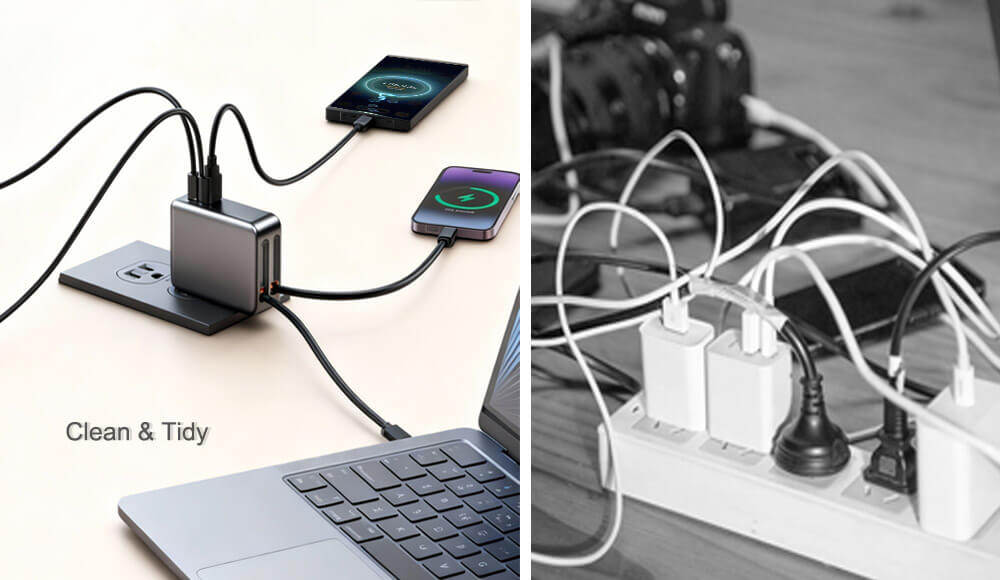
In our connected world, the humble phone charger is a lifeline. We use it daily, often without a second thought. Yet, this unassuming accessory sits at a dangerous crossroads: it manages high-voltage AC electricity from your wall outlet and converts it to lower-voltage DC power for your expensive smartphone. A faulty charger isn’t just an inconvenience; it’s a potential hazard to both your device and your personal safety.

Many people hold onto chargers for years, treating them as immortal companions to their ever-upgrading phones. However, chargers have a lifespan and can degrade or become dangerously incompatible. Using a compromised charger can lead to slow charging, permanent battery damage, electrical shocks, or even fires.

How do you know when to replace it? Don’t wait for a spark or a dead phone. Here are the seven critical warning signs that your phone charger needs to be replaced immediately.

1. The Loose or Wobbly Connector

This is one of the most common and hazardous issues.

  • The Problem: The plug that connects to your phone’s port becomes loose, doesn’t “click” in securely, or requires constant adjusting to maintain a charge.

  • The Risk: A loose connection creates intermittent contact. This causes tiny electrical arcs each time the connection flickers, generating excess heat at the metal contacts. Over time, this can:

    • Melt the port: Damage your phone’s internal charging port, leading to costly repairs.

    • Cause electrical shocks: Exposed, frayed, or broken metal parts inside the connector can touch the user.

    • Start a fire: The high resistance at the point of poor contact generates significant heat, which can melt plastics and ignite nearby materials.

  • The Verdict: A loose connector is a definitive failure point. Replace the cable (if the issue is with the USB end) or the entire charger immediately.

2. Physical Damage: Cracks, Frays, and Crushes

Inspect both the charger body (the “brick”) and the cable regularly.

  • The Problem: Visible damage to the housing, a bent AC plug, a frayed or split cable exposing wires, or kinks that feel unusually stiff.

  • The Risk: Compromised insulation exposes internal wires to air, moisture, and touch. This dramatically increases the risk of:

    • Short circuits: Leading to sparks inside the charger brick.

    • Electric shock: Direct exposure of live wires.

    • Component failure: A damaged housing can let dust and moisture in, corroding internal components.

  • The Verdict: Electrical insulation is your primary safety barrier. If it’s broken, the charger is unsafe. Do not use tape as a permanent fix.

3. Signs of Overheating or Burn Marks

Your charger should never be too hot to touch comfortably.

  • The Problem: The charger brick or the plug head becomes uncomfortably or alarmingly hot during use. Look for discoloration, melting, or brown/black burn marks on the charger or the wall socket.

  • The Risk: Excessive heat is a symptom of failing components, overload, or poor internal connections. It is the direct precursor to:

    • Component failure: Capacitors and transformers can burst.

    • Fire: The heat can ignite the charger’s plastic housing or nearby curtains, papers, or bedding.

  • The Verdict: Unplug a hot charger immediately and let it cool in a safe, non-flammable area. Do not reuse it. This is a severe red flag.

4. Corrosion and Moisture Damage

Chargers used in bathrooms, kitchens, or during travel are susceptible.

  • The Problem: Rust or greenish corrosion on the metal AC pins, or moisture/debris inside the USB port of the charger.

  • The Risk: Corrosion increases electrical resistance, leading to the same overheating risks as a loose connection. Moisture inside the unit can cause a short circuit across high-voltage components, potentially leading to:

    • Explosive failure: Vaporized moisture can rupture the charger casing.

    • Electrocution risk: Water provides a path for electricity to the outer shell.

  • The Verdict: Corrosion is degenerative and will only worsen. A charger with rusty pins or suspected internal moisture damage should be discarded.

5. Incompatible or Grossly Underpowered Specifications

Using an ancient charger with a modern phone is a recipe for problems.

  • The Problem: Using an old 5V/1A (5-watt) charger with a phone designed for 18W, 30W, or 65W fast charging. The phone charges painfully slowly.

  • The Risk: While your phone will typically draw only what it needs, the strain is on the charger. An old, low-power charger running continuously at its maximum output for 4-6 hours to charge a large modern battery is pushed to its thermal limits. This sustained stress can:

    • Degrade the charger: Cause its components to fail prematurely from constant operation.

    • Create heat buildup: Leading to the overheating risks mentioned above.

  • The Analogy: It’s like asking a compact car engine to continuously tow a heavy trailer at its maximum RPM. It will work for a while, but the engine will overheat and fail much sooner.

  • The Verdict: For battery health and safety, use a charger that meets or reasonably exceeds your phone’s standard charging requirements. It doesn’t have to be the fastest, but it shouldn’t be a relic.

6. The Mystery of the Knock-Off or Ultra-Cheap Charger

If the price seems too good to be true, the safety probably is.

  • The Problem: A charger purchased from an unofficial vendor, a street market, or an obscure online retailer at a fraction of the brand-name price. It may feel unusually light.

  • The Risk: These chargers often cut every possible corner. They lack critical safety components like proper fuses, surge protection, and isolation between high and low-voltage sections. Investigations have shown they may use substandard materials, inadequate insulation, and faulty soldering.

    • No Protection Circuits: They can deliver erratic voltage, “dirty” power with electrical noise, or even send a voltage surge directly to your phone’s battery management system.

    • Slow Battery Murder: They can degrade your phone’s battery health over time through inconsistent charging.

  • The Verdict: Invest in chargers from reputable brands (phone manufacturer, Anker, UGREEN, Belkin, etc.). The cost is an investment in the safety of your $1,000 phone and your home.

Replace Your Phone Charger

Replace Your Phone Charger


7. Intermittent Functionality and “Ghost” Charging

The charger only works at a specific angle or randomly starts/stops charging.

  • The Problem: The charger is unreliable, requiring you to jiggle the cable or plug to initiate charging.

  • The Risk: This is a clear sign of an internal break or a failing connection. It shares the same risks as a loose connector—arcing, heat, and potential for short circuits. It also indicates the charger is at the end of its functional life.

  • The Verdict: Reliability is key. An unreliable charger is a failing charger. Replace it before it fails completely or fails dangerously.

Proactive Charger Care and Replacement Strategy

  • Buy Smart: Stick to well-known brands. Look for safety certifications (like UL, CE, or FCC marks) on the charger itself.

  • Handle with Care: Don’t yank the cable from the plug; pull from the sturdy connector head. Avoid tight bends, especially near the ends.

  • Inspect Regularly: Make a quick visual and tactile inspection part of your routine when you plug in your phone.

  • When in Doubt, Throw it Out: Chargers are relatively inexpensive. The potential cost of a fire, a severe shock, or a destroyed smartphone dwarfs the price of a new, safe charger.

Your phone charger is a vital piece of safety equipment. By recognizing these seven warning signs—loose connectors, physical damage, overheating, corrosion, incompatibility, poor origins, and intermittent operation—you can take proactive steps to protect your devices, your home, and most importantly, yourself. Don’t let a $20 accessory risk everything. Replace it wisely and charge with confidence.

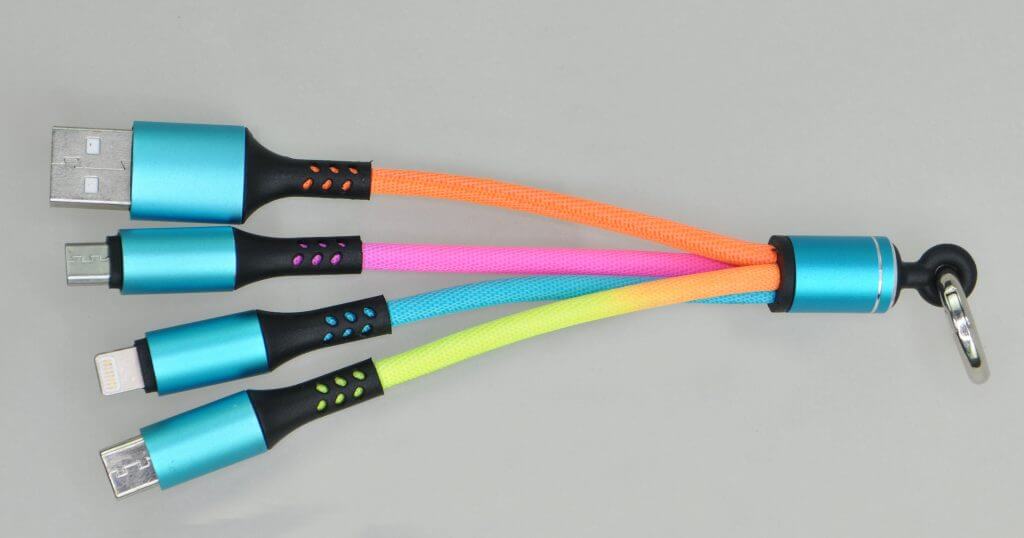
Travel with our multi USB cable for all Phone connectors

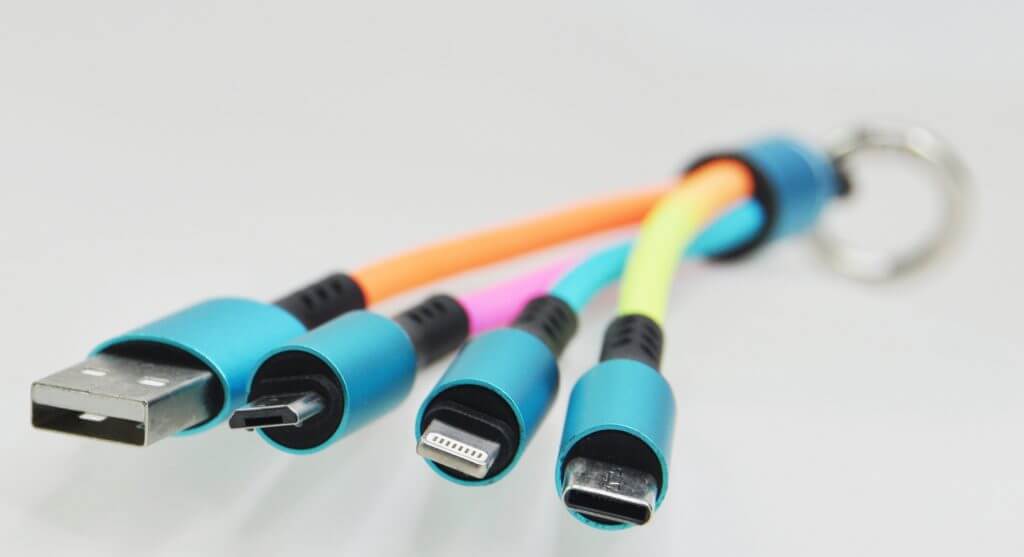
A multi USB cable with USB A input and 3 other connectors output – Micro, Lightning and Type C. This USB cable is good for almost all phones! It is a combination for all phone cables.

This USB cable is convenient to carry. It is a short one and very easy to put in your bag, accessories holder or even put it with your keys.

Up to 2A currency will give your phone a fast charge. It can meet most of the phone currency requirement for cable.

Durable, high speed and combination for Lightning, Micro and Type C USB data cables. It will give you excellent charging experience when at travel, home or even in office!

Multi USB cables

Multi USB cables

Multi USB cables
Type C, Lightning and Micro 3-in-1 USB data cables

Type C, Lightning and Micro 3-in-1 USB data cables

Type C, Lightning and Micro 3-in-1 USB data cables
Multi USB cables whoelsale

Multi USB cables whoelsale

USB cable with Micro, Type C and Lightning

Welcome USB data cable suppliers, sales or wholesales contact lider for more info.