The Booming Market of Anti-Lost Phone Strap Cables Wholesale

The Ultimate Guide to Anti-Lost Phone Strap Cables Wholesale: Profiting from the $4.8B Mobile Security Market

Executive Summary

The anti-lost phone strap cables wholesale market is projected to reach $4.8B by 2027 (CAGR 12.3%), fueled by smartphone dependency and active lifestyles. This guide reveals how phone accessories or 3C wholesalers can capitalize on innovations like charging-integrated neck anti-lost straps, retractable security cables, and corporate safety lanyards – with profit margins up to 70%. Discover supplier selection, customization strategies, and emerging trends transforming this niche.


Section 1: Why Anti-Lost Straps Are Revolutionizing Mobile Security

1.1 The Drop Damage Epidemic

  • 68% of smartphone users damage devices from drops (Forrester)

  • Average repair cost: $250 for flagship models

  • Anti-lost charger cables solve two problems:
    ✅ Physical security (straps/clips)
    ✅ Power access (built-in charging)

1.2 Key Product Innovations

FeatureTechnical AdvancementUser Benefit
GaN-Integrated Straps20W PD charging chips in lanyard claspsCharge while securing phone
Smart Breakaway TechMagnetic release at 10-15lb forcePrevents choking during accidents
Retractable Systems1.5m tangle-free cables with auto-rewindNo cable snagging
Multi-Device HooksRotating carabiners for phones/keys/IDAll-in-one organization

Infographic: Market growth drivers for anti-lost accessories


Section 2: Wholesale Product Deep Dive

2.1 Top-Selling Categories

A) Neck Anti-Lost Straps (45% Market Share)

  • Premium Materials: Neoprene/SBR latex blends (sweat-resistant)

  • Security Features: RFID-blocking pouches + steel cable cores

  • Best Sellers:

    • MagLanyard Pro: MagSafe-compatible with 15W charging ($2.15/unit wholesale)

    • StealthVault: Hidden pocket for credit cards + detachable cable

B) Anti-Lost Charger Cables (30% Share)

  • Technical Specs:

    • Nylon-braided cables (10,000+ bend cycles)

    • USB-C/Lightning/Type-C variants

    • 3A fast charging + 480Mbps data transfer

  • MOQ Advantage: 500+ units at $0.95-$1.75

C) Specialty Straps

  • Wrist Security Straps: For runners/gym users

  • Badge Integrations: Corporate ID lanyards with charging ports

  • Child Safety Tethers: 3ft retractable cables for family travel

2.2 Customization Engine
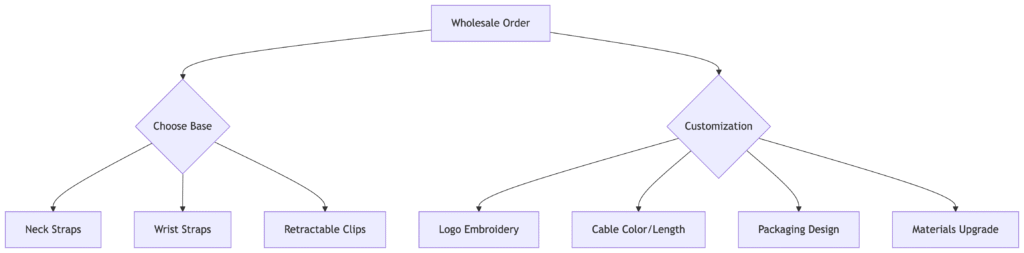
Anti-lost customization cables lanyards

Anti-lost customization cables lanyards

Customization workflow for bulk orders


Section 3: Target Markets & Sales Strategies

3.1 High-Yield Customer Segments

SegmentProduct MatchBundling Strategy
Corporate GiftingBranded badge lanyards + chargingAdd power banks + screen protectors
Travel RetailPassport neck straps + global adaptersBundle with TSA luggage scales
Fitness IndustrySweatproof arm strapsPair with wireless earbuds
Education SectorCampus ID lanyards with QR codesInclude phone sanitizers

3.2 Proven Marketing Tactics

  1. Amazon FBA Optimization:

    • Keywords: “anti-lost phone strap cables wholesale” + “neck anti-lost straps”

    • A+ Content: Videos showing 10ft drop tests

  2. B2B Outreach:

    • Target: Hotel chains, gym franchises, event planners

    • Pitch: “Reduce staff phone damage costs by 80%”

  3. Social Proof:

    • Case Study: SprintMart reduced employee device losses by 92% using our straps


Section 4: Supplier Selection Guide

4.1 Must-Have Certifications

  • Safety: CE/FCC/RoHS compliance

  • Durability:

  • Materials: REACH/SGS certifications

4.2 Audit Checklist for Anti-Lost Cable Suppliers

  1. Manufacturing Capabilities:

    • In-house mold making for custom hooks/clasps

    • SMT assembly lines for charging circuits

  2. Quality Control:

    • 12-stage inspection protocol

    • Sample failure rate <0.2%

  3. Logistics Advantages:

    • FBA prep services

    • Sea/air freight options with DDP terms

4.3 Cost Breakdown (10,000 Unit Order)

ComponentCost Per UnitPremium Upgrade
Base Neck Strap$0.70Eco-leather ($1.10)
Charging Cable$0.45100W GaN ($0.85)
Custom Embroidery$0.15Metallic thread ($0.30)
Total Production$1.30$2.25
Retail Price$12.99$24.99

Section 5: Future Trends & Opportunities

5.1 Emerging Technologies

  • Smart Straps:

    • Bluetooth proximity alerts

    • UV phone sanitizers in clasps

  • Eco-Innovations:

    • Straps from recycled ocean plastics

    • Biodegradable cable jackets

5.2 Untapped Markets

  • Senior Care: Fall-detection lanyards with emergency buttons

  • Adventure Tourism: Waterproof straps with dive-case compatibility

  • Retail Theft Prevention: Electronic article surveillance (EAS) tags


Section 6: How to Start Wholesaling

6.1 Step-by-Step Process

  1. Niche Selection: Focus on high-margin segments (e.g., corporate or travel)

  2. Supplier Vetting:

    • Request samples with custom logos

    • Verify factory audits via Alibaba Trade Assurance

  3. Order Optimization:

    • Start with 500-unit test order

    • Use 30/40/30 inventory split: Basic/Custom/Premium

  4. Sales Channels:

    • Amazon FBA (35% margin)

    • Shopify B2B store (direct to businesses)

    • Local gyms/hotels (consignment deals)

6.2 Profit Calculator

text
Revenue = Units Sold × Average Retail Price ($19.99)  
Cost = (Unit Cost + Shipping + Marketing)  
Profit Margin = (Revenue - Cost) ÷ Revenue × 100

Example: 5,000 units @ $2.15 cost → $58,425 profit (63% margin)


Conclusion: Seize the $4.8B Opportunity

The anti-lost phone strap cables wholesale market offers unprecedented growth for savvy distributors. By combining technical innovation (charging integration), strategic customization, and targeted marketing, wholesalers can achieve:

  • 40-70% profit margins

  • Recurring corporate contracts

  • 5X inventory turnover rates

Ready to dominate this niche?
Download our Wholesale Starter Kit:

  • Supplier negotiation script

  • 2024 trend forecast report

  • Customs clearance checklist

USB Cables wholesale and USB-C chargers: How to Select the Best One for Your Business

In today’s tech-driven world, reliable cell phone chargers and cables are essential for both personal and professional use. For businesses, selecting the right charging solutions can enhance customer satisfaction, streamline operations, and boost profitability. Whether you’re a retailer, distributor, or corporate buyer, understanding how to choose high-quality products from trusted USB cables wholesale suppliers or USB C chargers wholesale suppliers is critical. This guide will walk you through key considerations, from assessing technical specifications to partnering with a reputable home chargers manufacturer in China, ensuring your business stays ahead in a competitive market.


1. Understand Your Business Needs

Before diving into product selection, define your business goals. Ask:

  • Who is your target audience? Retail customers, corporate clients, or hospitality sectors have different needs.
  • What devices are most common? Prioritize compatibility with popular smartphones, tablets, or laptops.
  • What volume do you need? Purchasing USB cables wholesale or USB C chargers wholesale requires balancing bulk discounts with inventory management.

For example, hotels may need durable home chargers for guest rooms, while electronics retailers might focus on fast-charging USB-C models. Align your product choices with customer demand.


2. Evaluate Charger and Cable Types

Not all chargers and cables are created equal. Focus on these factors:

a. Connector Types

  • USB-C: The universal standard for modern devices, offering fast charging and reversibility. Source from USB C chargers wholesale suppliers to future-proof your inventory.
  • USB-A: Still relevant for older devices but being phased out.
  • Lightning: Essential for Apple products (pre-2023 models).

b. Power Delivery Standards

  • PD (Power Delivery): Supports high-speed charging for laptops and premium smartphones.
  • QC (Quick Charge): Ideal for Android devices. Ensure chargers meet these certifications for reliability.

c. Durability and Design

Look for features like braided nylon casing, reinforced connectors, and tangle-free designs—key selling points for custom USB cables wholesale orders.


3. Partner with Reputable Suppliers

Sourcing from reliable mobile phone accessories suppliers ensures quality and consistency. Here’s how to vet partners:

a. Prioritize Certified Manufacturers

Choose a home chargers manufacturer in China with certifications like CE, FCC, RoHS, and UL. These indicate compliance with safety and environmental standards.

b. Request Samples from USB cables wholesale and USB-C chargers wholesale suppliers

Test samples for performance, durability, and compatibility before committing to bulk USB cables wholesale purchases.

c. Evaluate Customization Options

If branding matters, work with suppliers offering custom USB cables wholesale services. Options include:

  • Logo printing.
  • Unique packaging.
  • Tailored cable lengths/colors.

4. Consider Cost vs. Quality

While budget is important, cutting corners on quality can damage your reputation. Strategies to balance both:

  • Bulk DiscountsUSB C chargers wholesale suppliers often offer lower per-unit prices for large orders.
  • MOQs (Minimum Order Quantities): Negotiate flexible MOQs to avoid overstocking.
  • Warranty: Opt for suppliers providing warranties, reducing long-term costs.

5. Focus on Compliance and Logistics

a. Safety Certifications

Ensure products meet regional regulations. For example, chargers sold in the EU require CE marks, while the US mandates FCC compliance.

b. Efficient Shipping

Partner with a home chargers manufacturer in China experienced in global logistics. Discuss:

  • Shipping methods (air vs. sea).
  • Delivery timelines.
  • Import/export documentation.

6. Embrace Customization and Innovation USB cables wholesale and USB chargers wholosale

Stand out in the market with tailored solutions:

  • Custom USB Cables: Offer branded cables for corporate clients or events.
  • Eco-Friendly Options: Sustainable materials appeal to environmentally conscious buyers.
  • Tech Upgrades: Stay updated on trends like GaN (Gallium Nitride) chargers, which are compact and energy-efficient.

7. Build Long-Term Supplier Relationships

A trustworthy USB C chargers wholesale supplier or home chargers manufacturer in China can become a strategic partner. Look for:

  • Transparent communication.
  • Consistent quality.
  • Flexibility in order adjustments.

8. Future-Proof Your Inventory

Anticipate industry shifts:

  • USB-C Dominance: With Apple and Android adopting USB-C, prioritize these products.
  • Wireless Charging: Explore Qi-certified pads for complementary offerings.

Conclusion

Selecting the best cell phone chargers and cables for your business involves a mix of technical knowledge, supplier vetting, and market insight. By partnering with certified USB cables wholesale suppliers or a reliable home chargers manufacturer in China, you can ensure quality, compliance, and customer satisfaction. Stay agile, embrace innovation, and prioritize relationships with suppliers who align with your business goals. Ready to elevate your inventory? Connect with trusted USB C chargers wholesale suppliers today to secure competitive pricing and cutting-edge products!

The Comprehensive Guide to Passport Holders Wholesale: Key Players, Manufacturers, and China’s Dominance

In an era where global travel is rebounding post-pandemic, the demand for functional and stylish travel accessories has surged. Among these, passport holders have emerged as essential items for travelers seeking to protect their documents in style. For retailers and businesses, sourcing high-quality passport holders wholesale presents a lucrative opportunity. This article explores the wholesale market for passport holders, highlighting key players like Lider, the role of passport holders wholesale suppliers and manufacturers, and the pivotal position of passport holder wholesale China in global production.

Passport Holders Wholesale

The Growing Demand for Passport Holders

Passport holders are no longer mere protective sleeves; they are fashion statements and organizational tools. With the global travel accessories market projected to exceed $48 billion by 2026, businesses are capitalizing on this trend by offering diverse designs—from RFID-blocking tech to luxury leather finishes. Retailers, airlines, and corporate gift suppliers are increasingly turning to wholesale channels to meet this demand cost-effectively.

Understanding the Wholesale Market for Passport Holders

Wholesale purchasing allows businesses to buy in bulk, significantly reducing per-unit costs. Passport holders wholesale suppliers act as intermediaries, connecting retailers with manufacturers. These suppliers offer advantages like lower pricing, volume discounts, and curated product ranges. Meanwhile, passport holders wholesale manufacturers focus on production, often providing customization options such as logo embossing or tailored materials. Balancing quality, cost, and lead times is critical in this competitive market.

Key Players: Lider and Leading Suppliers

Among the notable names in the industry, Lider stands out as a trusted passport holders wholesale supplier. With decades of experience, Lider offers an extensive catalog of passport covers in materials ranging from synthetic PU leather to eco-friendly vegan options. Their commitment to affordability and customization—such as adding brand logos—makes them a preferred partner for retailers worldwide. 

Other suppliers compete by specializing in niche markets. For instance, some focus on luxury designs, while others emphasize budget-friendly bulk orders. However, Lider’s blend of quality, variety, and responsive customer service positions them as a leader in the wholesale space.

The Role of Passport Holders Wholesale Manufacturers

Passport holders wholesale manufacturers are the backbone of the supply chain. They handle material sourcing, production, and quality control. Partnering directly with manufacturers allows businesses to customize products extensively, though it often requires larger minimum order quantities (MOQs). 

Manufacturing processes vary: some prioritize handcrafted detailing, while others leverage automated production for scalability. For businesses, vetting manufacturers is crucial. Certifications like ISO 9001 and BSCI ensure adherence to quality and ethical standards. Companies like Lider often collaborate closely with manufacturers to maintain consistency across their product lines.

China as a Global Hub for Passport Holder Production

When discussing passport holder wholesale China, it’s impossible to overlook the country’s dominance. China produces over 60% of the world’s travel accessories, thanks to its robust manufacturing infrastructure, skilled labor force, and cost efficiencies. Cities like Guangzhou and Yiwu host countless factories specializing in leather goods and accessories. 

Chinese manufacturers excel in scalability, enabling them to fulfill large orders swiftly. Moreover, their expertise in materials like genuine leather, silicone, and RFID-blocking fabrics ensures product diversity. For wholesalers like Lider, sourcing from China means balancing quality with affordability, though challenges like language barriers and shipping logistics require careful navigation.

Benefits of Sourcing from Wholesale Suppliers and Manufacturers

  1. Cost Savings: Bulk orders reduce per-unit costs, improving profit margins.
  2. Customization: Options to personalize designs, colors, and logos enhance brand visibility.
  3. Scalability: Reliable suppliers and manufacturers can adjust to fluctuating demand.
  4. Quality Assurance: Established partners like Lider enforce strict quality checks.

For businesses, partnering with reputable suppliers or manufacturers ensures a steady supply of trendy, durable passport holders that align with consumer preferences.

Challenges in the Wholesale Passport Holder Market

Despite the opportunities, challenges persist: 

– Quality Control: Vetting overseas manufacturers requires due diligence. 
– MOQs: High minimum orders may strain small businesses. 
– Lead Times: Shipping delays can affect inventory planning. 
– Cultural Barriers: Communication gaps may arise with non-English-speaking suppliers. 

To mitigate these, businesses should request samples, verify certifications, and build long-term relationships with partners like Lider or trusted Chinese manufacturers.

How to Choose the Right Wholesale Partner

  1. Research: Compare suppliers’ portfolios and client reviews.
  2. Sample Testing: Assess product quality firsthand.
  3. Negotiate Terms: Discuss MOQs, pricing, and payment flexibility.
  4. Evaluate Logistics: Consider shipping costs and delivery timelines.

Companies like Lider simplify this process by offering transparent terms and reliable support, making them ideal for newcomers to wholesale.

Passport Cases Wallets Wholesale

The passport holders wholesale market offers immense potential for businesses ready to tap into the travel essentials & accessories boom. Key players like Lider, coupled with the expertise of passport holders wholesale manufacturers and the unparalleled production capacity of passport holder wholesale China, create a dynamic ecosystem. By understanding market nuances and partnering with reputable suppliers, retailers can secure high-quality products that cater to the evolving needs of global travelers. In a world where journeying is synonymous with living, passport holders remain a small but vital accessory—and a smart investment for forward-thinking businesses.

Difference between a 2-pin and 3-pin Plug

Introduction
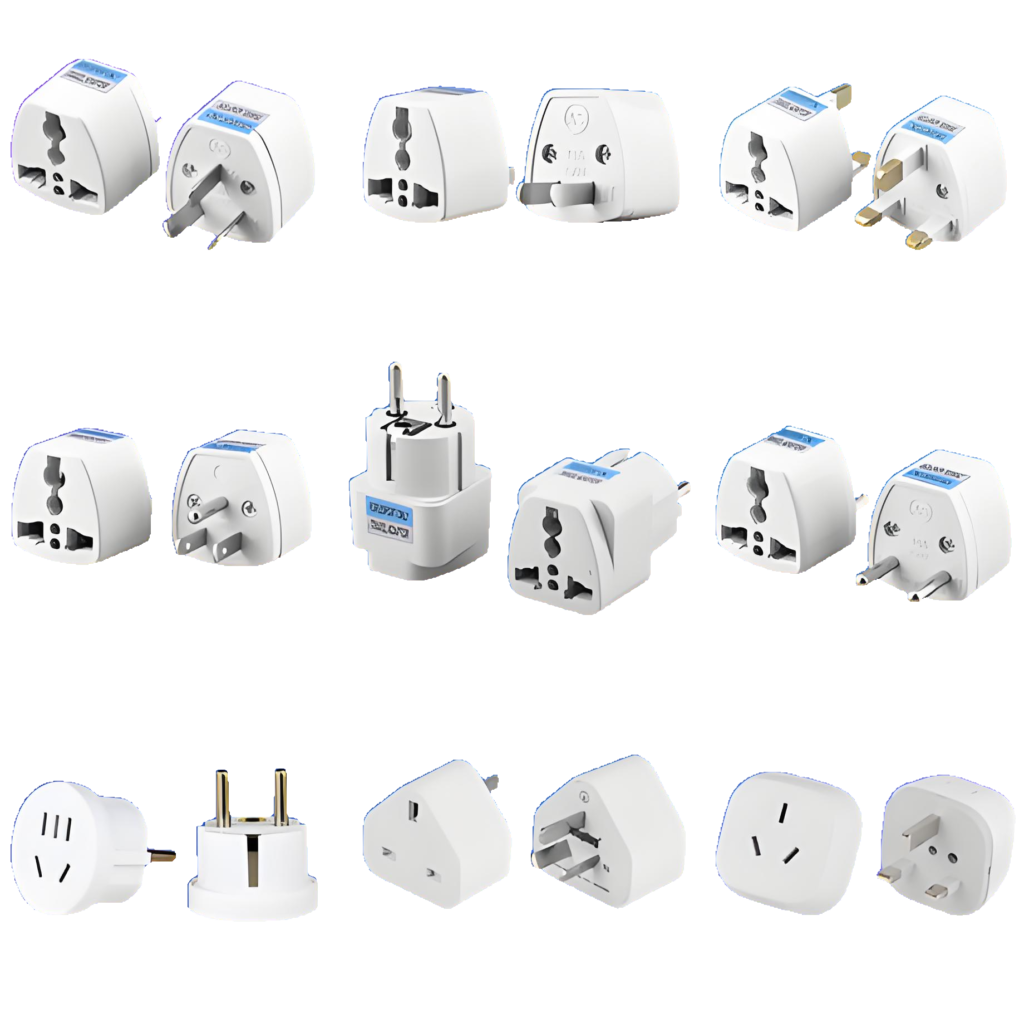
Electricity is an essential part of our daily lives, and the plugs we use to power our devices play a crucial role in this process. Understanding the difference between a 2-pin and 3-pin plug is essential for anyone who wants to ensure safe and efficient electrical usage. In this article, we will explore the fundamental difference between a 2-pin and 3-pin plug, analyzing their structure, usage, and safety considerations. We will also provide photographs to aid in the understanding process.

Travel Adapter Converter Wholesale

Travel Adapter Converter Wholesale


Structure and Function of a 2-Pin Plug
A 2-pin plug is a simple electrical connector that typically consists of two prongs or pins. These pins are designed to fit into corresponding slots in a power socket or outlet. The structure of a 2-pin plug varies depending on the region and type of electrical system, but generally, they consist of a grounding pin and a live pin.
The grounding pin is usually the larger of the two pins and is designed to make contact with the grounding slot in the power socket. This helps to ensure that any electrical current is safely directed to the ground, preventing shocks or damage to the device. The live pin carries the electrical current from the device to the power source.
In many countries, such as the United States and some parts of Europe, 2-pin plugs are commonly used for small appliances and electronics that do not require a third grounding pin.

Structure and Function of a 3-Pin Plug
A 3-pin plug is a more complex electrical connector that typically consists of three prongs or pins. These pins are designed to fit into corresponding slots in a power socket or outlet, providing additional safety features and functionality.
The three pins in a 3-pin plug usually include a grounding pin, a live pin, and a neutral pin. The grounding pin is similar to the one found in a 2-pin plug, providing a safe path for any electrical current to flow in case of a problem. The live pin carries the electrical current from the device to the power source, while the neutral pin completes the circuit by carrying the return current from the device back to the power source.

The additional neutral pin provides better stability and support for larger appliances or devices that require more power. It also helps to prevent electrical shocks by ensuring that all current flows through the intended path. 3-pin plugs are commonly used in countries where there is a need for additional safety measures, such as Australia, Europe, and many other parts of the world.

Usage and Safety Considerations
The usage and safety considerations for 2-pin and 3-pin plugs vary depending on their application and location. In general, it is important to ensure that the correct type of plug is used in accordance with local electrical standards and regulations.
For 2-pin plugs, it is essential to ensure that they are properly inserted into a matching socket or outlet. It is also important to avoid using damaged or worn plugs as they may pose a safety risk. Properly using 2-pin plugs can help prevent electrical shocks and damage to devices.

On the other hand, 3-pin plugs provide additional safety features that can be beneficial in certain situations. The neutral pin helps to distribute the load more evenly, reducing the risk of overheating or damage to the device. Additionally, the additional grounding provided by the third pin can help prevent electrical shocks in case of a problem with the device or its wiring.

However, even with 3-pin plugs, it is essential to follow safety guidelines such as using matching sockets or outlets, avoiding overloading circuits, and regularly checking for damage or wear on plugs and sockets.

Photographs Analysis
Difference between a 2-pin and 3-pin Plug

Difference between a 2-pin and 3-pin Plug

To aid in understanding the difference between a 2-pin and 3-pin plug, we have included photographs of both types of plugs. Figure 1 shows a typical 2-pin plug with its two pins (grounding and live) visible. As mentioned earlier, this type of plug is commonly used in regions where there is no need for a neutral pin or additional safety measures.

Figure 2 depicts a typical 3-pin plug with all three pins (grounding, live, and neutral) visible. This type of plug provides additional safety features and functionality compared to a 2-pin plug. It is commonly used in regions where there is a need for additional safety measures or where larger appliances require more power and stability.

Worldwide Power Plug

Worldwide Power Plug


Conclusion
Understanding the difference between a 2-pin and 3-pin plug is essential for ensuring safe and efficient electrical usage. A 2-pin plug typically consists of two pins (grounding and live), while a 3-pin plug includes an additional neutral pin for improved stability and functionality. Proper usage and safety considerations should be followed to prevent potential issues such as electrical shocks or damage to devices. Through photographs, we hope you have gained a better understanding of both types of plugs and their respective applications based on local electrical standards and regulations.

Travel out of your country? Take this Universal Travel Adapter with you. Lider focus on mobile phone accessories and travel essentials wholesale.