The Difference Between Charging Cables and Data Cables: What You Need to Know

In a world where our lives are increasingly intertwined with technology, understanding the tools we use every day is essential. Among these tools, charging cables and data cables play crucial roles in keeping our devices powered and connected. However, many people often confuse the two. In this article, we’ll explore the key differences between charging cables and data cables, helping you make informed decisions for your tech needs.
Durable USB C to USB C cables Wholesale

Durable USB C to USB C cables Wholesale

### Understanding Charging Cables

Charging cables are designed primarily to supply power to your devices. These cables vary in design, length, and connector type, but their main function remains the same: transferring electrical energy from a power source to your gadgets. Whether it’s your smartphone, tablet, or laptop, a charging cable ensures that your device stays powered throughout the day.

Most charging cables consist of two main components: the conductor and the insulation. The conductor, often made of copper or aluminum, carries electricity, while the insulation safeguards the conductor from environmental elements and physical damage. Depending on the cable’s specifications, it can support various charging speeds, which might be affected by factors such as cable length, gauge, and connector type.

While most charging cables focus solely on power transfer, some modern cables have been designed to handle both charging and data transfer simultaneously. These dual-purpose cables can provide convenience, allowing you to charge your device and sync data at the same time. However, not all charging cables offer this capability, so it’s essential to check the specifications before making a purchase.

### Delving into Data Cables

On the other hand, data cables are specifically designed for transferring data between devices. They facilitate communication between two electronic devices, enabling activities like file transfer, syncing, and even connecting to the internet. Data cables come in various formats, such as USB, HDMI, and Ethernet, each serving different purposes based on the type of data being transmitted.

The construction of data cables is also pivotal to their performance. High-quality data cables often feature multiple twisted pairs of wires, ensuring that data signals can travel with minimal interference. This is particularly important for high-speed data transfer, where even slight interruptions can result in errors or slow connectivity.

When considering data cables, it’s essential to understand that not all data cables are built equal. For instance, USB data cables can vary significantly in their capabilities—from USB 2.0, which supports lower transfer speeds, to USB 3.1, which can reach astonishing rates suitable for large file transfers and high-definition video streaming. Make sure to choose a data cable that aligns with your specific data transfer needs.

### Key Differences Between Charging Cables and Data Cables

Understanding the fundamental differences between charging and data cables is crucial, especially if you want to optimize the performance of your devices. Here are some of the key distinctions:

1. **Purpose**: As mentioned earlier, charging cables are designed to deliver power, while data cables facilitate communication and data transfer.

2. **Construction**: Charging cables typically have fewer wires, designed mainly for power transmission. In contrast, data cables have more intricate designs with multiple wire pairs to handle data transfer efficiently.

3. **Compatibility**: Not all charging cables can be used for data transfer, and vice versa. While some cables can perform both functions, many are tailored for one primary purpose. It’s important to check the specifications to ensure compatibility with your needs.

4. **Speed**: Charging cables may support various charging speeds (fast charging vs. standard charging) but typically do not influence data transfer speeds. Meanwhile, data cables can vary widely in their data transfer speeds depending on technological standards (USB 2.0 vs. USB 3.1, for example).

### Choosing the Right Cable for Your Needs

With an array of options available in the market, choosing the right cable for your device can be overwhelming. Here are some tips to help you make the best decision:

– **Identify Your Needs**: Consider what you will primarily be using the cable for—charging, data transfer, or both. If you often transfer files between devices, investing in a high-quality data cable is essential. On the other hand, if you’re mainly charging devices, focus on finding a cable that supports fast charging.

– **Check Compatibility**: Ensure that the cable you select is compatible with your devices. Different devices may require specific connectors (like USB-C, Lightning, or Micro-USB), so double-check the specifications before you buy.

– **Look for Quality**: Opt for reputable brands and cables that boast good reviews. Higher-quality cables often last longer and provide better performance, reducing the chances of overheating or malfunction.

– **Consider Length**: Think about how far away your devices will be from the power source. Longer cables offer flexibility but may reduce efficiency, especially for charging. Choose a length that strikes a balance between convenience and effectiveness.
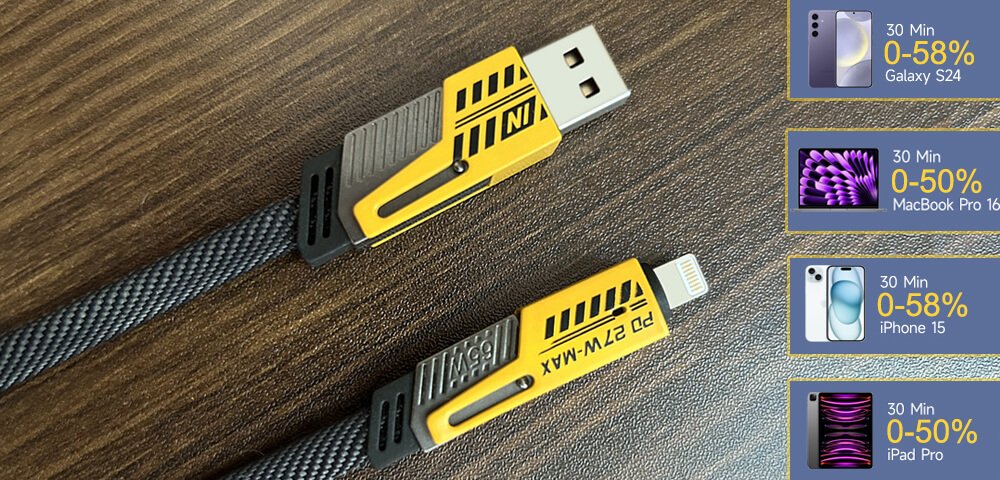
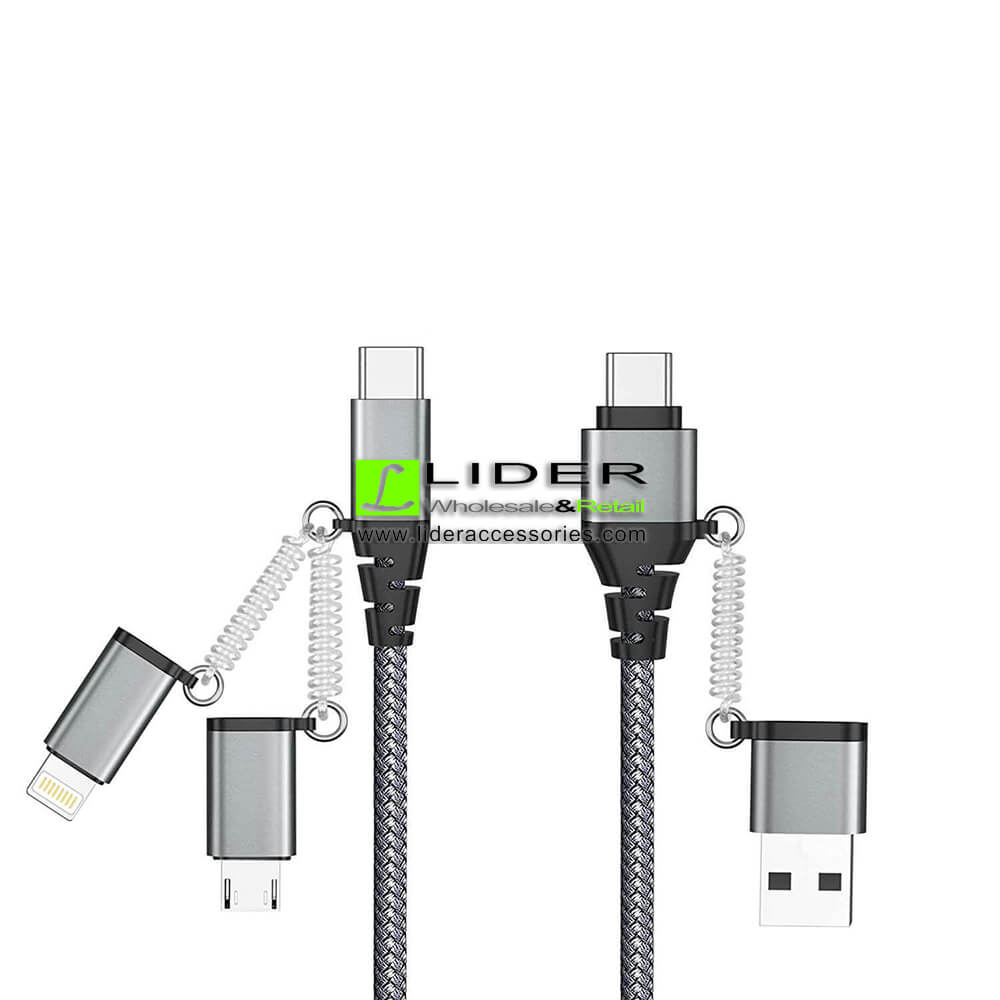
Multi USB data cables wholesale

Multi USB data cables wholesale

### Conclusion

In conclusion, understanding the difference between charging cables and data cables is vital for effectively managing your electronic devices. Charging cables ensure your gadgets remain powered, while data cables facilitate seamless communication and data transfer. By recognizing their distinct purposes, construction, and specifications, you’ll be better equipped to choose the right cable for your needs.

Whether you’re a tech novice or a seasoned enthusiast, having the right cable can significantly enhance your user experience. So next time you’re shopping for cables, remember the key differences and choose wisely! Your devices will thank you for it.
The  Mobile  Phone  Accessories  Market:  A  Comprehensive  Analysis

Mobile Phone Accessories Analysis – Mobile  phones  have  become  an  integral  part  of  our  daily  lives,  and  with  the  continuous  advancements  in  technology,  they  are  more  than  just  a  device  to  make  phone  calls.  The  mobile  phone  accessories  market  has  grown  parallel  to  the  smartphone  market,  offering  a  wide  range  of  accessories  to  enhance  the  functionality  and  user  experience  of  these  devices.  In  this  article,  we  will  delve  into  the  mobile  phone  accessories  market,  exploring  its  growth,  trends,  and  the  various  products  available.
 
Section  1:  Market  Overview
 
The  global  mobile  phone  accessories  market  size  will still zoom  according  to  a  report  by  Research  and  Markets.  The  market  growth  can  be  attributed  to  the  increasing  smartphone  penetration,  rising  disposable  incomes,  and  the  demand  for  high-quality  accessories  that  improve  the  functionality  of  mobile  devices.
 
Section  2:  Market  Segmentation
 
The  mobile  phone  accessories  market  can  be  segmented  into  various  categories  based  on  the  type  of  accessory,  the  price  range,  and  the  target  audience.  Some  of  the  key  segments  in  the  market  include:
Mobile Phone Accessories Wholesale

Mobile Phone Accessories Wholesale

1.  Cases  and  covers:  Protective  cases,  leather  cases,  wallet  cases,  and  waterproof  cases  are  some  of  the  popular  options  available  in  the  market.
2.  Screen  protectors:  Tempered  glass,  film,  and  anti-glare  screen  protectors  help  protect  the  phone’s  screen  from  scratches  and  damage.
3.  Charging  and  data  cables:  Fast  chargers,  data  cables,  and  wireless  chargers  are  essential  accessories  for  charging  and  transferring  data  between  devices.
4.  Power  banks:  Portable  power  sources  that  provide  backup  power  to  charge  smartphones  and  other  devices.
5.  Headphones  and  earphones:  Wireless  and  wired  headphones,  earbuds,  and  noise-cancelling  headphones  are  popular  accessories  for  listening  to  music  and  making  phone  calls.
6.  Bluetooth  accessories:  Wireless  keyboards,  mice,  speakers,  and  fitness  trackers  are  some  of  the  popular  Bluetooth-enabled  accessories.
7.  Camera  lenses  and  accessories:  Phone  lenses,  tripods,  and  selfie  sticks  enhance  the  camera  functionality  of  mobile  devices.
8.  Mobile  phone  holders  and  mounts:  Car  mounts,  desk  mounts,  and  bike  mounts  help  users  secure  their  phones  in  various  locations.
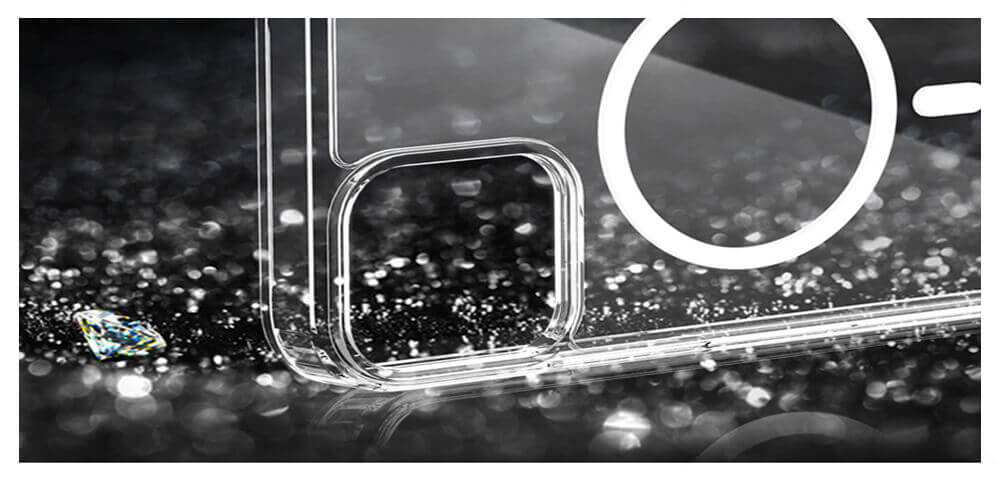
Anti-shock Transparent iPhone Case

Anti-shock Transparent iPhone Case

Section  3:  Market  Trends
 
1.  Increasing  demand  for  high-end  accessories:  With  the  rise  in  smartphone  prices,  consumers  are  increasingly  willing  to  spend  more  on  high-quality  accessories  that  complement  their  devices.
2.  Wireless  technology:  The  market  for  wireless  accessories,  such  as  wireless  chargers,  headphones,  and  keyboards,  is  growing  as  they  offer  convenience  and  ease  of  use.
3.  Customization:  The  demand  for  personalized  and  customized  mobile  phone  accessories,  such  as  phone  cases  and  covers,  is  increasing,  providing  a  boost  to  the  market.
4.  Environmental  concerns:  The  market  is  witnessing  a  shift  towards  eco-friendly  and  sustainable  mobile  phone  accessories,  such  as  biodegradable  cases  and  renewable  energy-based  chargers.
5.  Online  shopping:  The  shift  towards  online  shopping,  especially  through  e-commerce  platforms  and  social  media,  has  made  it  easier  for  consumers  to  access  a  wide  range  of  mobile  phone  accessories.
 
Section  4:  Market  Growth  Drivers
 
1.  Increasing  smartphone  penetration:  As  more  people  own  smartphones,  the  demand  for  mobile  phone  accessories  is  expected  to  grow  accordingly.
2.  Rising  disposable  incomes:  The  increase  in  disposable  incomes  in  developing  countries  is  leading  to  an  increase  in  the  spending  on  mobile  phone  accessories.
3.  Growing  trend  of  BYOD  (Bring  Your  Own  Device):  The  trend  of  BYOD  in  businesses  is  driving  the  demand  for  mobile  phone  accessories,  as  employees  need  to  personalize  their  devices  for  work  purposes.
4.  Marketing  strategies:  Mobile  phone  manufacturers  and  accessory  brands  are  using  innovative  marketing  strategies,  such  as  partnerships  and  collaborations,  to  promote  their  products  and  increase  brand  visibility.
 
Section  5:  Market  Challenges
 
1.  Competition  from  unauthorized  sellers:  The  market  is  faced  with  competition  from  unauthorized  sellers,  which  can  lead  to  a  decline  in  the  overall  market  revenue.
2.  Counterfeit  products:  The  presence  of  counterfeit  products  in  the  market  can  damage  the  reputation  of  genuine  brands  and  affect  the  overall  market  growth.
3.  Regulatory  compliance:  The  stringent  regulatory  requirements  for  mobile  phone  accessories  can  hinder  the  market  growth,  especially  for  small  and  medium-sized  businesses.
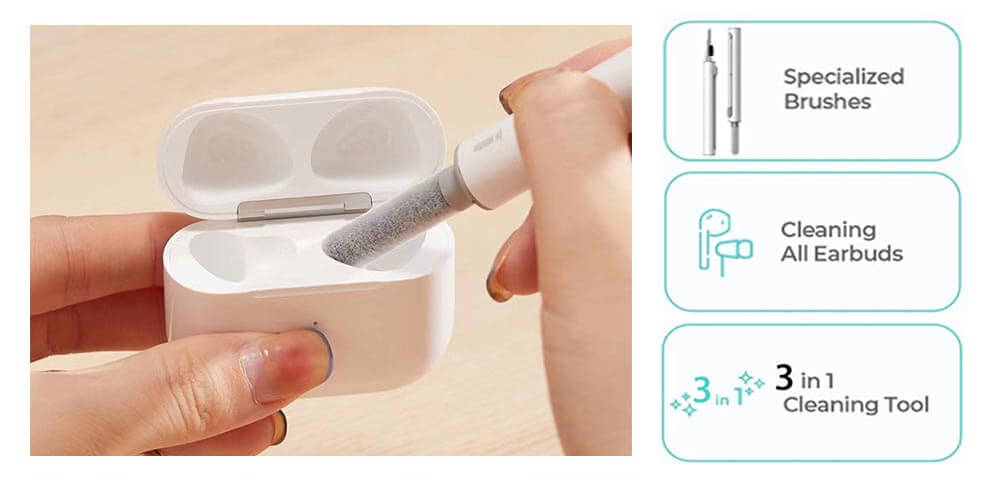
Phone Accessories Cleaning Kit

Phone Accessories Cleaning Kit

 
The  mobile  phone  accessories  market  is  a  rapidly  growing  market,  driven  by  the  increasing  smartphone  penetration,  rising  disposable  incomes,  and  the  demand  for  high-quality  accessories.  The  market  is  expected  to  witness  further  growth  with  the  continuous  advancements  in  technology  and  the  introduction  of  new  products.  However,  the  market  also  faces  challenges  such  as  competition  from  unauthorized  sellers,  counterfeit  products,  and  regulatory  compliance.  The  key  to  success  in  this  market  lies  in  offering  high-quality,  innovative mobile phone accessories and keeping updated.


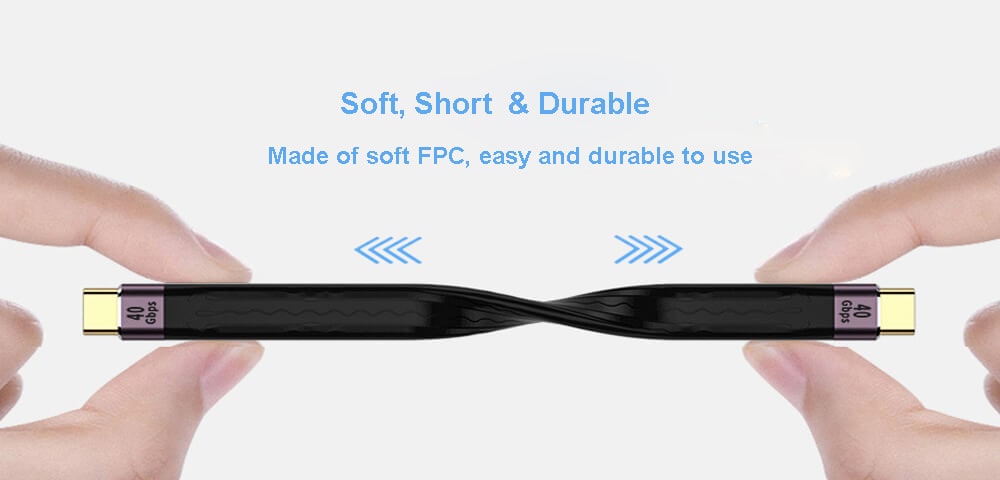
FPC Type C to Type C data cable with 20V 100W charging and 40GPS speed

Short C to C cable – FPC Type C data cable with 20V 100W charging and 40GPS speed. Dual Type C heads for your phone charging or data transfer!

– The softest cable for charging and data outside the mobile phones! It won’t break under your daily usage.
– Designed specially for power banks, portable hard disks and more with only 13cm.
– Super fast for charging. with up to 20V 5A to phones, notebooks.
– Work well for Type C mobile phones or tablets.
– High speed in data transfer up to 40GBps.

Short C to C data cable

Short C to C data cable

This short c to c cable is also available with USB 3.1 for smart phones or hard disks. And USB A to Type C, Type C male to Type C female.

Check and contact Lider Industrial Ltd for more details of this or other products now!

Mobile Phone Data Cables Wholesale from Lider Industrial Ltd

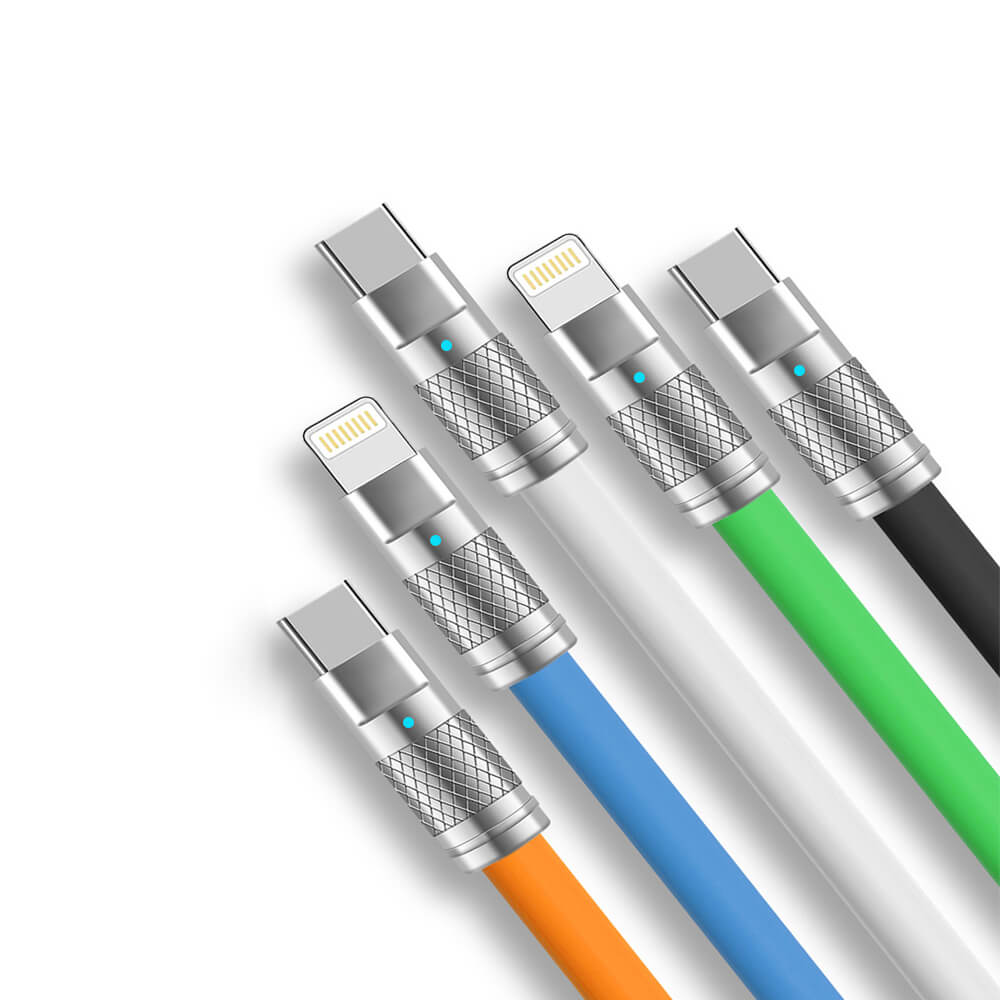
Our Latest mobile phone data cables wholesale info. It is the luminous one with nylon braided. 2.4A currency with fast charging. Durable, light weight and easy to carry.

Please see the photos from the following:

Data cables wholesale

Data cables wholesale

iPhone MFI Data Cable

iPhone MFI Data Cable

Silicon USB C data cable

Silicon USB C data cable

High speed Data cables wholesale

High speed Data cables wholesale