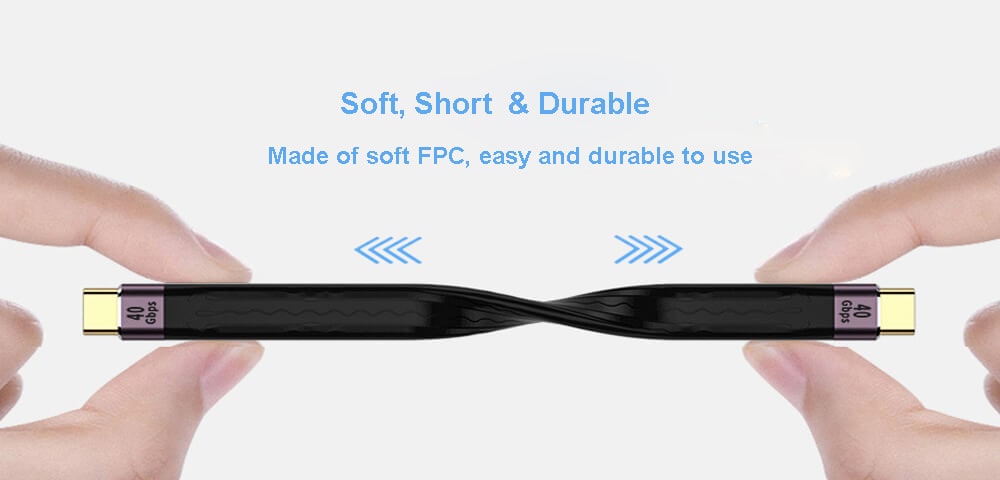
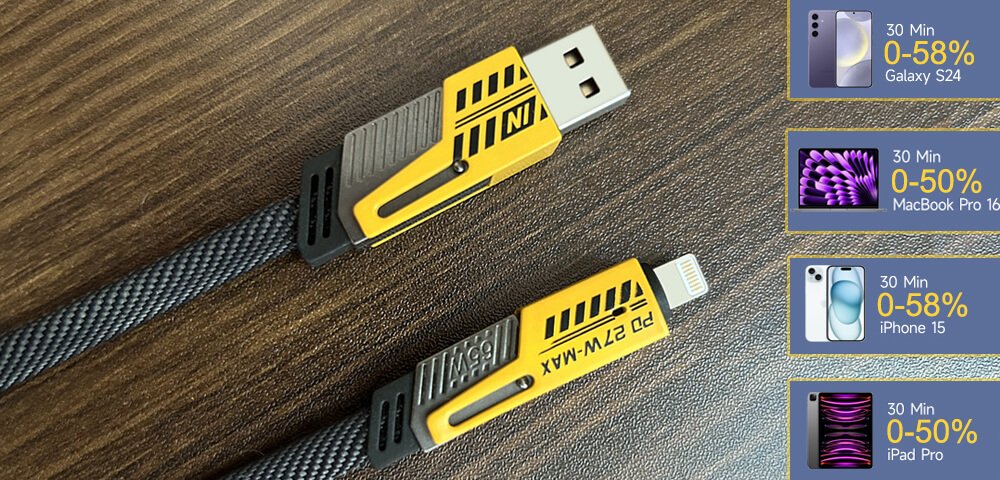
The Ultimate Guide to USB: USB-A, Micro-USB, Lightning, and USB-C for Wholesale Buyers

Executive Summary

In the interconnected world of modern technology, the humble USB cable is the unsung hero, a critical conduit for power and data. For businesses involved in USB Cables wholesale, understanding the intricate differences between USB-A, Micro-USB, Lightning, and USB-C is not just academic—it’s a commercial necessity. The market is a diverse ecosystem where legacy standards like Micro-USB coexist with the universal promise of USB-C and the proprietary walled garden of Apple’s Lightning. This comprehensive guide provides USB cables suppliers and wholesalers with a deep dive into the specifications, market applications, and strategic considerations for each connector type. We will explore why a diversified portfolio that includes everything from bulk USB C cables to custom USB-C cables wholesale options is key to capitalizing on current demand while future-proofing your business. Navigating this complex landscape effectively allows savvy wholesalers to meet the needs of every customer segment, from the budget-conscious to the tech-obsessed.
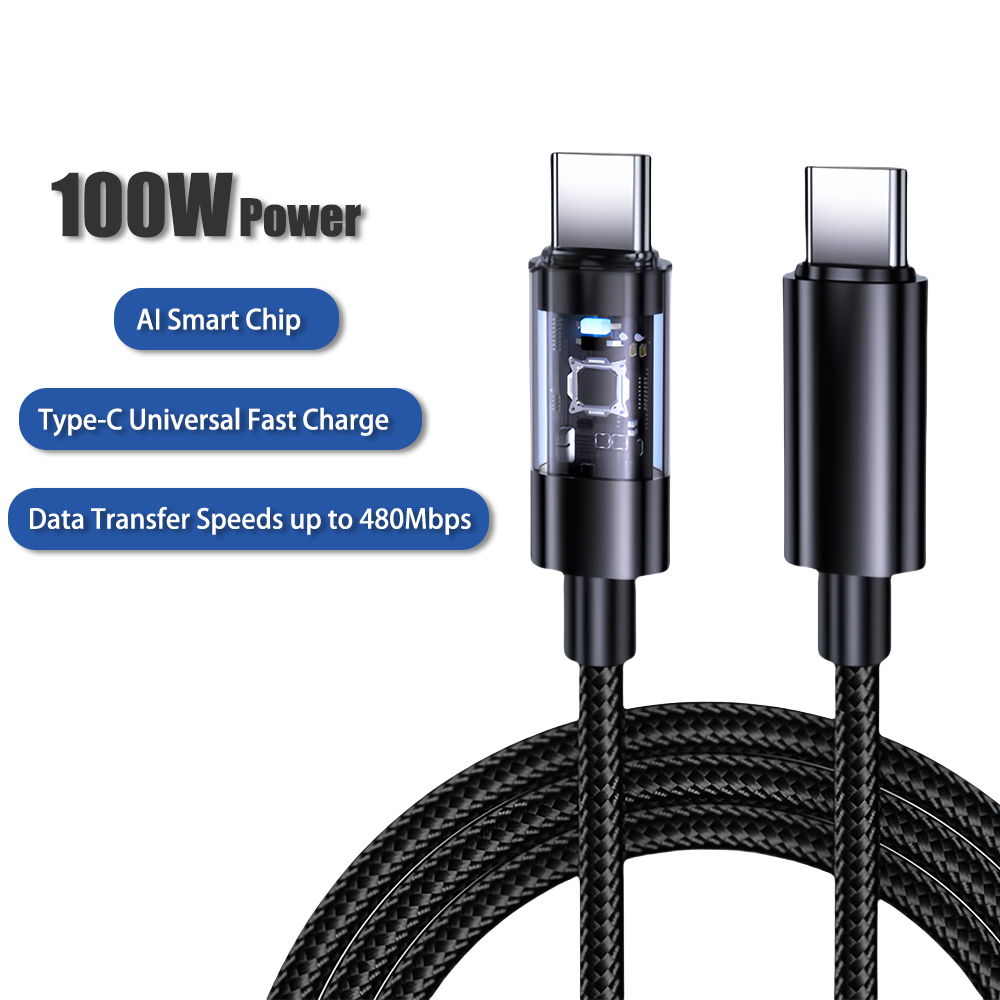
100W USB-C cables wholesale

100W USB-C cables wholesale

Introduction: The Backbone of Digital Connectivity

The Universal Serial Bus (USB) standard has been the cornerstone of device interfacing for decades. From charging smartphones to connecting peripherals and transferring data, USB cables are ubiquitous. For wholesalers and suppliers, this represents a consistent and high-volume market opportunity. However, the landscape is fragmented. The evolution from the familiar USB-A to the once-dominant Micro-USB, and the current transition towards the powerful USB-C, alongside the unique position of Lightning, creates a complex matrix of consumer needs.

Success in the USB Cables wholesale market hinges on a strategic understanding of these connectors. It’s about knowing which cables are becoming obsolete, which are in sustained demand, and which represent the future of the industry. This knowledge informs inventory planning, marketing strategies, and partnerships with manufacturers for custom USB C cables wholesale programs, ensuring your business remains relevant and competitive in a fast-paced industry.

USB-A: The Universal Legacy Port

USB-A is the original “standard” USB connector that most people instantly recognize. Its wide, flat, and rectangular design with a single, non-reversible orientation has been the primary host port on computers, wall chargers, car adapters, and power banks for generations.

Technical Specifications and Common Uses

  • Form Factor: Non-reversible Type-A connector.

  • Typical Uses: Connecting peripherals (keyboards, mice, printers, external hard drives) to computers, and as the “source” end of virtually all charger blocks and power adapters.

  • Versions: It’s crucial to distinguish the connector (USB-A) from the protocol (USB 2.0, USB 3.0, etc.). A USB-A port can support various speeds:

    • USB 2.0 (Black/White Tab): Data transfer speeds up to 480 Mbps.

    • USB 3.0/+ (Blue Tab): Data transfer speeds up to 5 Gbps (USB 3.2 Gen 1).

    • USB 3.1/+ (Teal/Red Tab): Supports faster protocols, often with higher power delivery.

Market Position and Wholesale Strategy for USB-A Cables

Despite not being the modern port on new devices, USB-A is far from dead. Its role as the universal “source” connector in charging infrastructure guarantees its relevance for years to come. Most USB C cables wholesale offerings still feature a USB-A to USB-C model to serve this massive installed base.

Wholesale Recommendation: USB cables suppliers should maintain a robust inventory of high-quality USB-A to USB-C and USB-A to Micro-USB cables. These are high-turnover, essential items for a wide range of customers. They are the bread-and-butter of any wholesale operation and are often sought in bulk USB C cables purchases for corporate giveaways or as standard-issue accessories.

Micro-USB: The Former King of Android and Accessories

For nearly a decade, Micro-USB was the mandated charging port for most Android phones and a vast array of other devices, from Bluetooth speakers and power banks to smart home gadgets. Its compact, trapezoidal shape is unmistakable, notorious for its fragile design and frustrating non-reversibility.

Technical Specifications and Common Uses

  • Form Factor: Small, non-reversible, trapezoidal connector with two hooks on the sides.

  • Typical Uses: Budget and mid-range Android phones (decreasingly), Bluetooth accessories, power banks, e-readers (like older Kindles), and countless other low-power electronic devices.

  • Limitations: Physically fragile, slow charging capabilities (typically limited to 15W or less), and slow data transfer (usually USB 2.0).

Market Position and Wholesale Strategy for Micro-USB Cables

While Micro-USB is a legacy standard, its wholesale demand remains significant due to the enormous installed base of devices. The market for Micro-USB cables has shifted from premium to budget and replacement-driven. Customers are not looking for cutting-edge features but for affordable, durable cables to keep their older devices powered.

Wholesale Recommendation: USB cables suppliers should continue to stock Micro-USB cables, but consider them a cost-driven, volume-based product line. The focus should be on value and durability rather than high margins. These cables are essential for fulfilling the needs of budget retailers, hospitality industries (for guest charging), and as low-cost inclusions in accessory bundles. However, long-term inventory investments should be cautious, as this market will steadily decline.
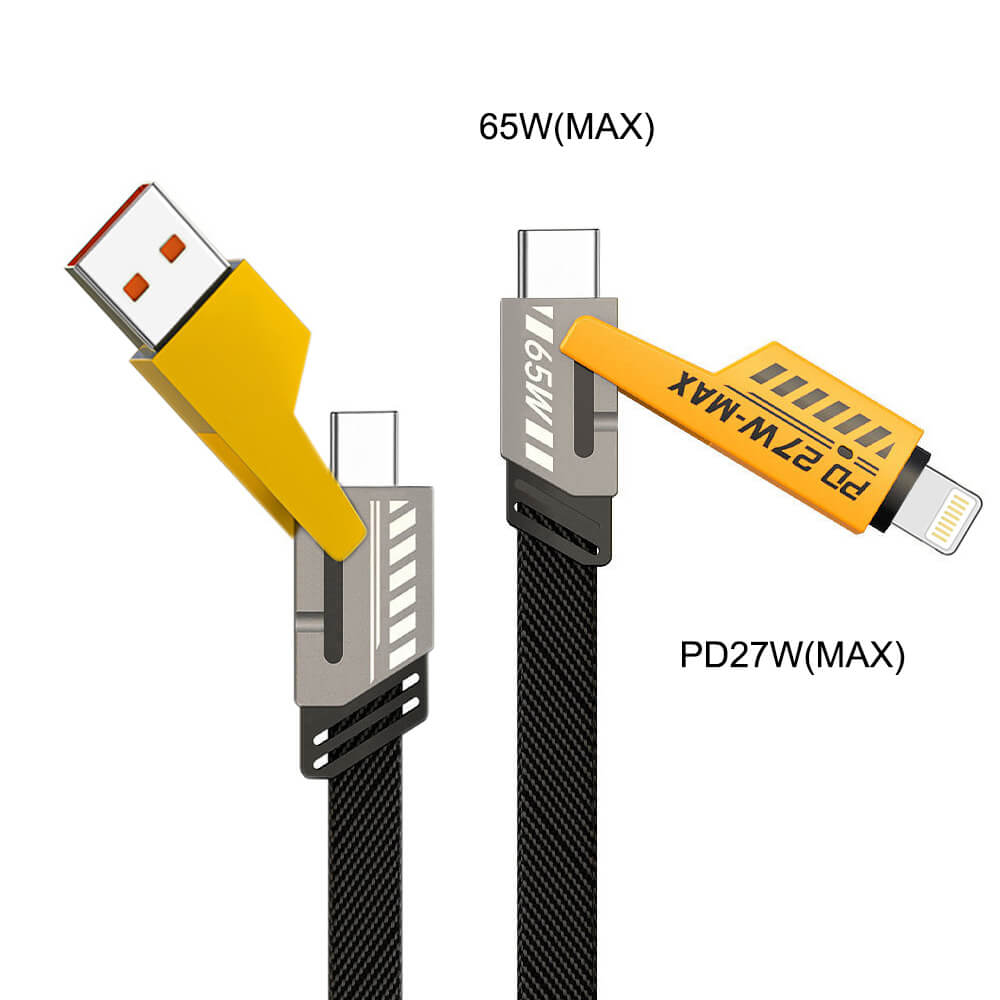
USB C cables wholesale

USB C cables wholesale

Lightning: Apple’s Proprietary Ecosystem

Introduced by Apple in 2012, the Lightning connector was a revolutionary step forward with its compact, fully reversible design. It replaced the larger, 30-pin dock connector and became the exclusive port for iPhones, iPads, iPods, and other Apple accessories for over a decade.

Technical Specifications and Common Uses

  • Form Factor: Compact, symmetrical, and fully reversible 8-pin connector.

  • Typical Uses: iPhones (iPhone 5 to iPhone 14), iPads (most models until 2018+), AirPods cases, and other Apple peripherals.

  • Limitations: As a proprietary standard, it requires Apple’s certification (MFi – Made for iPhone/iPad/iPod). Non-certified cables often trigger warning messages and may fail. Its technical capabilities are now outclassed by USB-C, with slower data transfer speeds (USB 2.0 on most cables) and lower power limits.

Market Position and Wholesale Strategy for Lightning Cables

The Lightning cable market is massive but strictly governed. For USB cables suppliers, dealing in Apple MFi Certified cables is non-negotiable. Selling non-certified cables leads to customer dissatisfaction, high return rates, and potential legal issues.

Wholesale Recommendation: Partner exclusively with manufacturers who provide verifiable MFi certification. The Apple user base is loyal and has consistent spending power, making this a high-value, high-margin segment. Offering a variety of durable, well-designed MFi Lightning cables—in various lengths, colors, and with reinforced connectors—is a proven strategy. This is also a prime category for custom USB C cables wholesale suppliers to offer dual-ended cables (e.g., USB-C to Lightning) that cater to users with newer MacBooks and iPad chargers.

USB-C: The True Universal Standard

USB-C is the modern, industry-standard connector designed to replace all previous USB types, including USB-A, USB-B, and Micro-USB. Its small, robust, and elegantly simple reversible design is only part of the story. Its true power lies in its incredible versatility.

Technical Specifications and Common Uses

  • Form Factor: Small, oval-shaped, and perfectly symmetrical (reversible).

  • Typical Uses: Modern Android phones, premium laptops (MacBooks, Dell XPS, etc.), tablets (including iPads Pro/Air), peripherals, monitors, and even some gaming consoles (Nintendo Switch).

  • Capabilities: This is where USB-C shines. It’s a single port that can handle:

    • Power Delivery (USB-PD): Supports charging from 5W up to 240W, capable of powering everything from earbuds to high-performance laptops.

    • High-Speed Data: Supports USB 3.2 (up to 20 Gbps), USB4 (up to 40 Gbps), and Thunderbolt 3/4 (40 Gbps).

    • Video Output: Can output video to monitors via DisplayPort or HDMI Alt Modes, supporting resolutions up to 8K.

Market Position and Wholesale Strategy for USB-C Cables

USB-C is the present and future of connectivity. For USB cables suppliers, this is the most critical and dynamic product category. Demand for bulk USB C cables is exploding as the standard is adopted across all device categories.

Wholesale Recommendation: Your strategy should be multi-faceted:

  1. Diversify by Capability: Stock different tiers of USB-C cables to meet different needs and price points.

    • Basic Charging Cables: For customers who just need to charge phones and tablets.

    • High-Speed Data Cables: Certified for USB 3.2 Gen 2 or higher speeds for users transferring large files.

    • High-Power Charging Cables: Supporting 100W PD for laptop users.

    • Premium/Thunderbolt 4 Cables: For professionals requiring maximum performance for data and video.

  2. Embrace Customization: The custom USB C cables wholesale market is a major growth area. Businesses, schools, and promotional companies seek cables with custom lengths, colors, and printed logos. Offering this service positions you as a value-added supplier.

  3. Future-Proof Your Inventory: As the EU mandates USB-C as a universal charging standard and Apple continues its transition, prioritizing USB-C cable inventory is the safest long-term bet for any wholesaler.

Head-to-Head Comparison Table for Wholesale Buyers

FeatureUSB-AMicro-USBLightningUSB-C
Reversible?NoNoYesYes
DurabilityHighLow (fragile port)MediumHigh
Peak Data Speed10-20 Gbps*480 Mbps480 Mbps (5 Gbps on Pro)40-80 Gbps
Peak Power~7.5W-100W~15W~15W-30WUp to 240W
Video OutputNoNoNo (Adapter needed)Yes (Native)
EcosystemUniversal, LegacyLegacy Android/AccessoriesApple Proprietary (MFi)Universal Standard
Wholesale FocusHigh-volume, essentialBudget, replacementHigh-margin, MFi CertifiedFuture-proof, diversified tiers
Customization PotentialLowLowMedium (with MFi)Very High

*Depending on USB version (2.0, 3.0, 3.2)

Building a Winning Wholesale USB Cable Strategy

1. Portfolio Diversification is Key

A successful USB cables wholesale business cannot rely on a single connector type. Your portfolio must be a balanced mix:

  • Legacy & Volume: Maintain stock of reliable USB-A and Micro-USB cables.

  • High-Margin Niche: Capitalize on the Apple ecosystem with certified Lightning cables.

  • Future Growth Driver: Aggressively expand your USB-C offerings across all performance tiers.

2. The Critical Importance of Quality and Compliance

Cutting corners on quality is a race to the bottom. Poorly constructed cables with substandard wires and shielding lead to slow charging, data corruption, and safety hazards. For USB cables suppliers, building a reputation for reliability is paramount. This means:

  • Sourcing from reputable manufacturers.

  • Insisting on proper certifications (USB-IF, MFi).

  • Using high-quality copper wiring and robust connector housings.

3. Capitalizing on the Customization Trend

The market for generic cables is crowded. Offering custom USB C cables wholesale services provides a significant competitive advantage. This allows you to serve B2B clients directly, creating branded cables for corporate events, retail branding, and specialized applications. This segment commands higher margins and fosters long-term business relationships.

4. Understanding the “Cable Tangle” – Versatility Matters

Stocking and promoting versatile cable solutions can be highly profitable. Consider:

  • Multi-Port Cables: A single cable with interchangeable USB-C, Lightning, and Micro-USB heads.

  • Dual-Ended Cables: Such as USB-C to Lightning, which are increasingly popular.

  • Cables with Multiple Connectors: Bundled sets that cover all a user’s needs.

Conclusion: Navigating the Connector Landscape for Long-Term Success

The evolution from USB-A and Micro-USB to USB-C and the unique case of Lightning tells a story of technological progress towards a simpler, more powerful universal standard. For wholesalers and suppliers, this transition is not without its challenges, but it is filled with immense opportunity.

The key takeaway is that while legacy cables will remain a part of your inventory for the foreseeable future, your strategic focus must be on USB-C. Investing in a diverse range of bulk USB C cables, from basic to high-performance, and developing a strong custom USB C cables wholesale operation, is the definitive path to growth and resilience. By understanding the technical nuances, market dynamics, and quality imperatives of each connector type, your business can effectively serve the entire market—from those clinging to older devices to the early adopters driving the future—ensuring your position as a leading USB cables supplier in a connected world.
The Booming Market of Anti-Lost Phone Strap Cables Wholesale

The Ultimate Guide to Anti-Lost Phone Strap Cables Wholesale: Profiting from the $4.8B Mobile Security Market

Executive Summary

The anti-lost phone strap cables wholesale market is projected to reach $4.8B by 2027 (CAGR 12.3%), fueled by smartphone dependency and active lifestyles. This guide reveals how phone accessories or 3C wholesalers can capitalize on innovations like charging-integrated neck anti-lost straps, retractable security cables, and corporate safety lanyards – with profit margins up to 70%. Discover supplier selection, customization strategies, and emerging trends transforming this niche.


Section 1: Why Anti-Lost Straps Are Revolutionizing Mobile Security

1.1 The Drop Damage Epidemic

  • 68% of smartphone users damage devices from drops (Forrester)

  • Average repair cost: $250 for flagship models

  • Anti-lost charger cables solve two problems:
    ✅ Physical security (straps/clips)
    ✅ Power access (built-in charging)

1.2 Key Product Innovations

FeatureTechnical AdvancementUser Benefit
GaN-Integrated Straps20W PD charging chips in lanyard claspsCharge while securing phone
Smart Breakaway TechMagnetic release at 10-15lb forcePrevents choking during accidents
Retractable Systems1.5m tangle-free cables with auto-rewindNo cable snagging
Multi-Device HooksRotating carabiners for phones/keys/IDAll-in-one organization

Infographic: Market growth drivers for anti-lost accessories


Section 2: Wholesale Product Deep Dive

2.1 Top-Selling Categories

A) Neck Anti-Lost Straps (45% Market Share)

  • Premium Materials: Neoprene/SBR latex blends (sweat-resistant)

  • Security Features: RFID-blocking pouches + steel cable cores

  • Best Sellers:

    • MagLanyard Pro: MagSafe-compatible with 15W charging ($2.15/unit wholesale)

    • StealthVault: Hidden pocket for credit cards + detachable cable

B) Anti-Lost Charger Cables (30% Share)

  • Technical Specs:

    • Nylon-braided cables (10,000+ bend cycles)

    • USB-C/Lightning/Type-C variants

    • 3A fast charging + 480Mbps data transfer

  • MOQ Advantage: 500+ units at $0.95-$1.75

C) Specialty Straps

  • Wrist Security Straps: For runners/gym users

  • Badge Integrations: Corporate ID lanyards with charging ports

  • Child Safety Tethers: 3ft retractable cables for family travel

2.2 Customization Engine

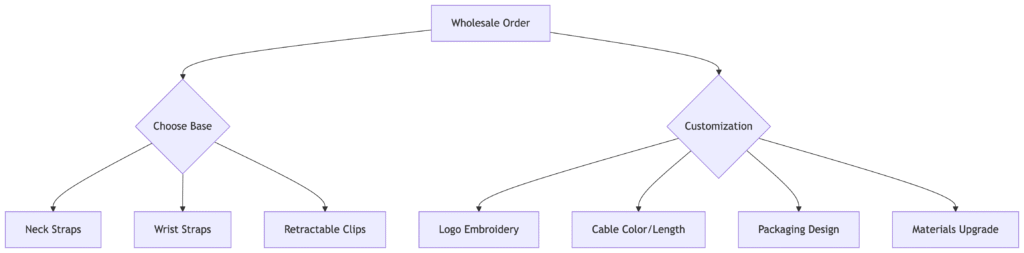
Anti-lost customization cables lanyards

Anti-lost customization cables lanyards

Customization workflow for bulk orders


Section 3: Target Markets & Sales Strategies

3.1 High-Yield Customer Segments

SegmentProduct MatchBundling Strategy
Corporate GiftingBranded badge lanyards + chargingAdd power banks + screen protectors
Travel RetailPassport neck straps + global adaptersBundle with TSA luggage scales
Fitness IndustrySweatproof arm strapsPair with wireless earbuds
Education SectorCampus ID lanyards with QR codesInclude phone sanitizers

3.2 Proven Marketing Tactics

  1. Amazon FBA Optimization:

    • Keywords: “anti-lost phone strap cables wholesale” + “neck anti-lost straps”

    • A+ Content: Videos showing 10ft drop tests

  2. B2B Outreach:

    • Target: Hotel chains, gym franchises, event planners

    • Pitch: “Reduce staff phone damage costs by 80%”

  3. Social Proof:

    • Case Study: SprintMart reduced employee device losses by 92% using our straps


Section 4: Supplier Selection Guide

4.1 Must-Have Certifications

  • Safety: CE/FCC/RoHS compliance

  • Durability:

  • Materials: REACH/SGS certifications

4.2 Audit Checklist for Anti-Lost Cable Suppliers

  1. Manufacturing Capabilities:

    • In-house mold making for custom hooks/clasps

    • SMT assembly lines for charging circuits

  2. Quality Control:

    • 12-stage inspection protocol

    • Sample failure rate <0.2%

  3. Logistics Advantages:

    • FBA prep services

    • Sea/air freight options with DDP terms

4.3 Cost Breakdown (10,000 Unit Order)

ComponentCost Per UnitPremium Upgrade
Base Neck Strap$0.70Eco-leather ($1.10)
Charging Cable$0.45100W GaN ($0.85)
Custom Embroidery$0.15Metallic thread ($0.30)
Total Production$1.30$2.25
Retail Price$12.99$24.99

Section 5: Future Trends & Opportunities

5.1 Emerging Technologies

  • Smart Straps:

    • Bluetooth proximity alerts

    • UV phone sanitizers in clasps

  • Eco-Innovations:

    • Straps from recycled ocean plastics

    • Biodegradable cable jackets

5.2 Untapped Markets

  • Senior Care: Fall-detection lanyards with emergency buttons

  • Adventure Tourism: Waterproof straps with dive-case compatibility

  • Retail Theft Prevention: Electronic article surveillance (EAS) tags


Section 6: How to Start Wholesaling

6.1 Step-by-Step Process

  1. Niche Selection: Focus on high-margin segments (e.g., corporate or travel)

  2. Supplier Vetting:

    • Request samples with custom logos

    • Verify factory audits via Alibaba Trade Assurance

  3. Order Optimization:

    • Start with 500-unit test order

    • Use 30/40/30 inventory split: Basic/Custom/Premium

  4. Sales Channels:

    • Amazon FBA (35% margin)

    • Shopify B2B store (direct to businesses)

    • Local gyms/hotels (consignment deals)

6.2 Profit Calculator

text
Revenue = Units Sold × Average Retail Price ($19.99)  
Cost = (Unit Cost + Shipping + Marketing)  
Profit Margin = (Revenue - Cost) ÷ Revenue × 100

Example: 5,000 units @ $2.15 cost → $58,425 profit (63% margin)


Conclusion: Seize the $4.8B Opportunity

The anti-lost phone strap cables wholesale market offers unprecedented growth for savvy distributors. By combining technical innovation (charging integration), strategic customization, and targeted marketing, wholesalers can achieve:

  • 40-70% profit margins

  • Recurring corporate contracts

  • 5X inventory turnover rates

Ready to dominate this niche?
Download our Wholesale Starter Kit:

  • Supplier negotiation script

  • 2024 trend forecast report

  • Customs clearance checklist

USB-C vs. Thunderbolt Cables: Key Differences Explained

In today’s fast-paced tech world, choosing the right cable can make a huge difference in charging speed, data transfer, and device compatibility. Two of the most popular options are USB-C and Thunderbolt cables, but many people confuse them or assume they’re the same.

USB5 Thunderbolt cables wholesale

USB5 Thunderbolt cables wholesale

If you’re a wholesale buyer looking for USB cables wholesale or Thunderbolt cables wholesale, understanding their differences is crucial for making informed purchasing decisions. This guide breaks down everything you need to know—design, speed, power delivery, compatibility, and pricing—so you can stock the right cables for your customers.


1. What Are USB-C and Thunderbolt Cables?

USB-C Cables

  • Universal standard developed by the USB Implementers Forum (USB-IF).

  • Reversible connector (no wrong way to plug in).

  • Used for charging, data transfer, and video output.

  • Common in smartphones, laptops, tablets, and accessories.

Thunderbolt Cables

  • Developed by Intel (in collaboration with Apple).

  • Uses the USB-C connector but offers higher performance.

  • Supports ultra-fast data transfer, high-resolution displays, and power delivery.

  • Found in premium laptops (MacBooks, high-end PCs), external GPUs, and 4K/8K monitors.


2. Key Differences Between USB-C and Thunderbolt Cables

A) Data Transfer Speed

FeatureUSB-C (USB 3.2 Gen 2)Thunderbolt 3Thunderbolt 4
Max Speed10 Gbps – 20 Gbps40 Gbps40 Gbps
Best ForEveryday file transfers4K video, external SSDs, gamingProfessional workflows, daisy-chaining
  • USB-C (USB 3.2/4.0): Good for general use (phones, basic laptops).

  • Thunderbolt 3/4: Ideal for high-speed storage, video editing, and gaming.

B) Power Delivery (Charging)

FeatureUSB-CThunderbolt 3/4
Max Power100W (USB PD)100W (USB PD)
Fast ChargingYes (varies by cable)Yes (consistent high power)
  • Both support 100W fast charging, but Thunderbolt cables often have better power stability.

C) Video Output

FeatureUSB-CThunderbolt 3/4
Max Resolution4K @ 60Hz8K @ 60Hz or dual 4K @ 60Hz
Display SupportSingle monitorMultiple monitors (daisy-chaining)
  • Thunderbolt is better for multi-monitor setups and high-end displays.

D) Compatibility

FeatureUSB-CThunderbolt
Works with USB-C devices?YesYes (but may need Thunderbolt port)
Works with Thunderbolt devices?No (unless Thunderbolt-certified)Yes
  • USB-C cables work with most modern devices.

  • Thunderbolt cables require Thunderbolt-enabled ports (common in MacBooks, high-end PCs).

E) Price (Wholesale Considerations)

Cable TypeApprox. Wholesale Price (Bulk)
USB-C Cable (10Gbps)$1 – $3 per unit
Thunderbolt 3 Cable (40Gbps)$8 – $15 per unit
Thunderbolt 4 Cable (40Gbps)$12 – $20 per unit
  • USB-C is more affordable, making it great for budget-friendly wholesale orders.

  • Thunderbolt cables cost more but cater to premium markets.


3. Which One Should You Buy Wholesale?

Choose USB-C Cables Wholesale If:

✔ You sell to general consumers (phones, tablets, budget laptops).
✔ Your customers need affordable charging & data cables.
✔ You want high-volume, low-cost inventory.

Choose Thunderbolt Cables Wholesale If:

✔ Your clients use high-end laptops (MacBook Pro, Dell XPS, etc.).
✔ They need ultra-fast data transfer (video editors, gamers, professionals).
✔ You’re targeting premium or B2B markets.


4. Best-Selling Wholesale Options

A) USB-C Cables Wholesale (Top Picks)

  • USB-C to USB-C (20Gbps, 100W PD) – Best for fast charging & data.

  • USB-C to Lightning (MFi-Certified) – Popular for iPhones & iPads.

  • USB-A to USB-C (10Gbps) – Backward compatibility.

240W USB-C cables

240W USB-C cables

B) Thunderbolt Cables Wholesale (Top Picks)

  • Thunderbolt 3 (40Gbps, 100W PD) – Great for MacBooks & gaming.

  • Thunderbolt 4 (40Gbps, 8K support) – Future-proof for professionals.

  • Active Thunderbolt Cables (Longer reach, 2m+) – Ideal for workstations.


5. Conclusion: Stock the Right Cables for Your Market

Understanding the differences between USB-C and Thunderbolt cables helps you make smarter wholesale choices.

  • USB-C cables wholesale = Best for budget-friendly, high-volume sales.

  • Thunderbolt cables wholesale = Ideal for premium, high-performance markets.

Looking for a reliable data cables wholesale supplier? Lider offers top-quality USB-C and Thunderbolt cables in bulk at competitive prices. Contact us today for wholesale inquiries!

The Difference Between Charging Cables and Data Cables: What You Need to Know

In a world where our lives are increasingly intertwined with technology, understanding the tools we use every day is essential. Among these tools, charging cables and data cables play crucial roles in keeping our devices powered and connected. However, many people often confuse the two. In this article, we’ll explore the key differences between charging cables and data cables, helping you make informed decisions for your tech needs.

Durable USB C to USB C cables Wholesale

Durable USB C to USB C cables Wholesale

### Understanding Charging Cables

Charging cables are designed primarily to supply power to your devices. These cables vary in design, length, and connector type, but their main function remains the same: transferring electrical energy from a power source to your gadgets. Whether it’s your smartphone, tablet, or laptop, a charging cable ensures that your device stays powered throughout the day.

Most charging cables consist of two main components: the conductor and the insulation. The conductor, often made of copper or aluminum, carries electricity, while the insulation safeguards the conductor from environmental elements and physical damage. Depending on the cable’s specifications, it can support various charging speeds, which might be affected by factors such as cable length, gauge, and connector type.

While most charging cables focus solely on power transfer, some modern cables have been designed to handle both charging and data transfer simultaneously. These dual-purpose cables can provide convenience, allowing you to charge your device and sync data at the same time. However, not all charging cables offer this capability, so it’s essential to check the specifications before making a purchase.

### Delving into Data Cables

On the other hand, data cables are specifically designed for transferring data between devices. They facilitate communication between two electronic devices, enabling activities like file transfer, syncing, and even connecting to the internet. Data cables come in various formats, such as USB, HDMI, and Ethernet, each serving different purposes based on the type of data being transmitted.

The construction of data cables is also pivotal to their performance. High-quality data cables often feature multiple twisted pairs of wires, ensuring that data signals can travel with minimal interference. This is particularly important for high-speed data transfer, where even slight interruptions can result in errors or slow connectivity.

When considering data cables, it’s essential to understand that not all data cables are built equal. For instance, USB data cables can vary significantly in their capabilities—from USB 2.0, which supports lower transfer speeds, to USB 3.1, which can reach astonishing rates suitable for large file transfers and high-definition video streaming. Make sure to choose a data cable that aligns with your specific data transfer needs.

### Key Differences Between Charging Cables and Data Cables

Understanding the fundamental differences between charging and data cables is crucial, especially if you want to optimize the performance of your devices. Here are some of the key distinctions:

1. **Purpose**: As mentioned earlier, charging cables are designed to deliver power, while data cables facilitate communication and data transfer.

2. **Construction**: Charging cables typically have fewer wires, designed mainly for power transmission. In contrast, data cables have more intricate designs with multiple wire pairs to handle data transfer efficiently.

3. **Compatibility**: Not all charging cables can be used for data transfer, and vice versa. While some cables can perform both functions, many are tailored for one primary purpose. It’s important to check the specifications to ensure compatibility with your needs.

4. **Speed**: Charging cables may support various charging speeds (fast charging vs. standard charging) but typically do not influence data transfer speeds. Meanwhile, data cables can vary widely in their data transfer speeds depending on technological standards (USB 2.0 vs. USB 3.1, for example).

### Choosing the Right Cable for Your Needs

With an array of options available in the market, choosing the right cable for your device can be overwhelming. Here are some tips to help you make the best decision:

– **Identify Your Needs**: Consider what you will primarily be using the cable for—charging, data transfer, or both. If you often transfer files between devices, investing in a high-quality data cable is essential. On the other hand, if you’re mainly charging devices, focus on finding a cable that supports fast charging.

– **Check Compatibility**: Ensure that the cable you select is compatible with your devices. Different devices may require specific connectors (like USB-C, Lightning, or Micro-USB), so double-check the specifications before you buy.

– **Look for Quality**: Opt for reputable brands and cables that boast good reviews. Higher-quality cables often last longer and provide better performance, reducing the chances of overheating or malfunction.

– **Consider Length**: Think about how far away your devices will be from the power source. Longer cables offer flexibility but may reduce efficiency, especially for charging. Choose a length that strikes a balance between convenience and effectiveness.

Multi USB data cables wholesale

Multi USB data cables wholesale

### Conclusion

In conclusion, understanding the difference between charging cables and data cables is vital for effectively managing your electronic devices. Charging cables ensure your gadgets remain powered, while data cables facilitate seamless communication and data transfer. By recognizing their distinct purposes, construction, and specifications, you’ll be better equipped to choose the right cable for your needs.

Whether you’re a tech novice or a seasoned enthusiast, having the right cable can significantly enhance your user experience. So next time you’re shopping for cables, remember the key differences and choose wisely! Your devices will thank you for it.