Buying from a mobile phone accessories manufacturer or trader?

Mobile Phone Accessories purchasing from a manufacturer or a trader? It is a strange question.

Of course, your answer may buy directly from a mobile phone accessories manufacturer because of price. As we all know that, a trade will earn some profit between you and the manufacturer. If from a cell phone accessories manufacturer directly, you can save some costs. Or the supplier can take part of that.

This is a wonderful idea and everybody likes – No middle man inside the deal.

How about a trader? He can offer you variety of mobile phone accessories. The risk is that he may lose control of quality and / or delivery time. The worst is that, the supplier and the buyer both lose – quality, delivery time or the costs.

So let us separate all the mobile phone accessories in 2 different styles.

You have the experience in buying. It is easy. You can order from a cell phone accessories manufacturer directly without any difficulty for mobile phone chargers, protectors covers, data cables, screen protectors or other single products. Your order will meet their MOQ and your buying price will support you private label packages or blank ones. This is good for both of the manufacturer and the buyer. It is even better if you both worked in the past and have known each other very well.

There comes to a condition that the buyer does not have much experience in this and he may have a small order just enough to meet the MOQ or even less than the MOQ of a manufacturer? What shall he do?

Order from a cell phone accessories manufacturer directly for phone covers? He may need MOQ of 300 / 500PCs of Mini order QTY to support him in production. And you have to wait a month or 2 to be shipped. If the factory gets a good name, it will not cost you energy to follow the orders. If it is not experienced, you may have to spend time in communicating with them.

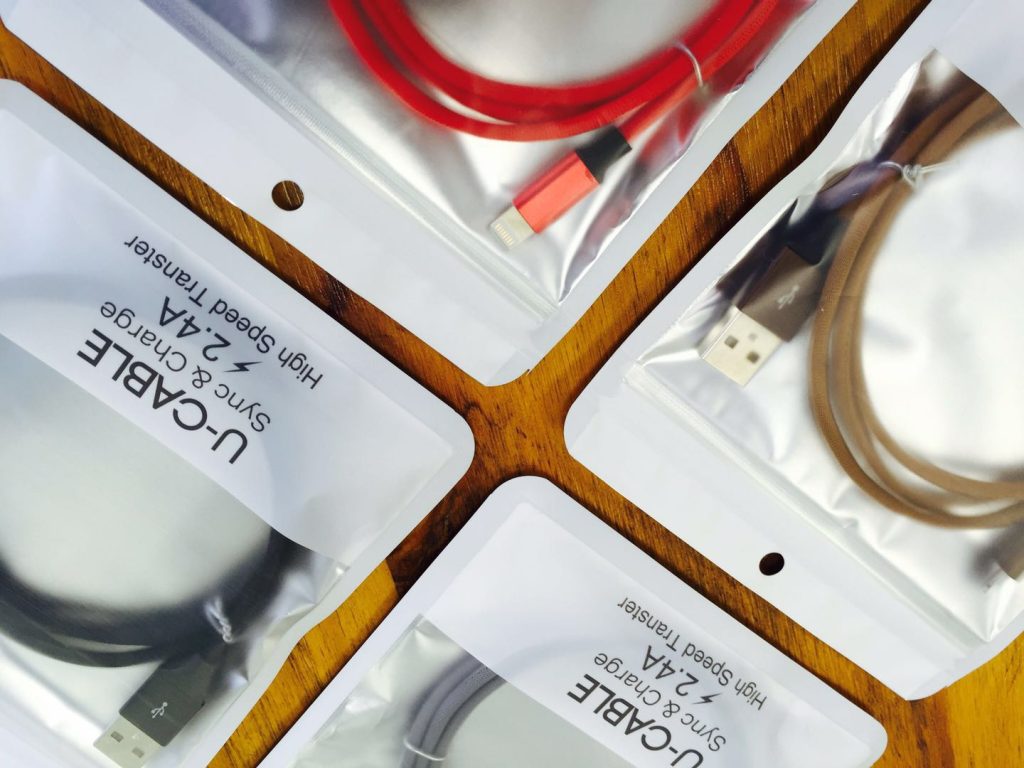
Power Charging Data Cable iPhone Android

Power Charging Data Cable iPhone Android

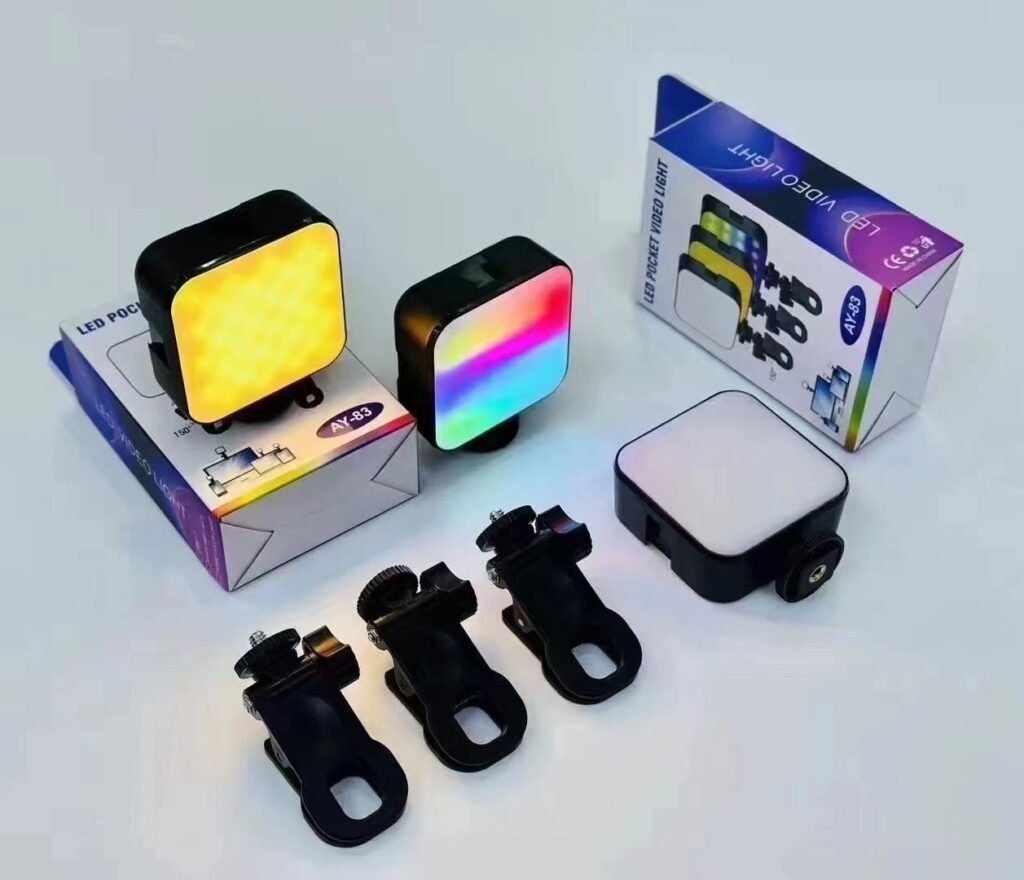
Mobile Phone Accessories Camera Accessories Wholesale

Mobile Phone Accessories Camera Accessories Wholesale

I strongly suggest you to order from a trader directly in this situation. They are more professional in ordering and scheduling.


The  Mobile  Phone  Accessories  Market:  A  Comprehensive  Analysis

Mobile Phone Accessories Analysis – Mobile  phones  have  become  an  integral  part  of  our  daily  lives,  and  with  the  continuous  advancements  in  technology,  they  are  more  than  just  a  device  to  make  phone  calls.  The  mobile  phone  accessories  market  has  grown  parallel  to  the  smartphone  market,  offering  a  wide  range  of  accessories  to  enhance  the  functionality  and  user  experience  of  these  devices.  In  this  article,  we  will  delve  into  the  mobile  phone  accessories  market,  exploring  its  growth,  trends,  and  the  various  products  available.
 
Section  1:  Market  Overview
 
The  global  mobile  phone  accessories  market  size  will still zoom  according  to  a  report  by  Research  and  Markets.  The  market  growth  can  be  attributed  to  the  increasing  smartphone  penetration,  rising  disposable  incomes,  and  the  demand  for  high-quality  accessories  that  improve  the  functionality  of  mobile  devices.
 
Section  2:  Market  Segmentation
 
The  mobile  phone  accessories  market  can  be  segmented  into  various  categories  based  on  the  type  of  accessory,  the  price  range,  and  the  target  audience.  Some  of  the  key  segments  in  the  market  include:
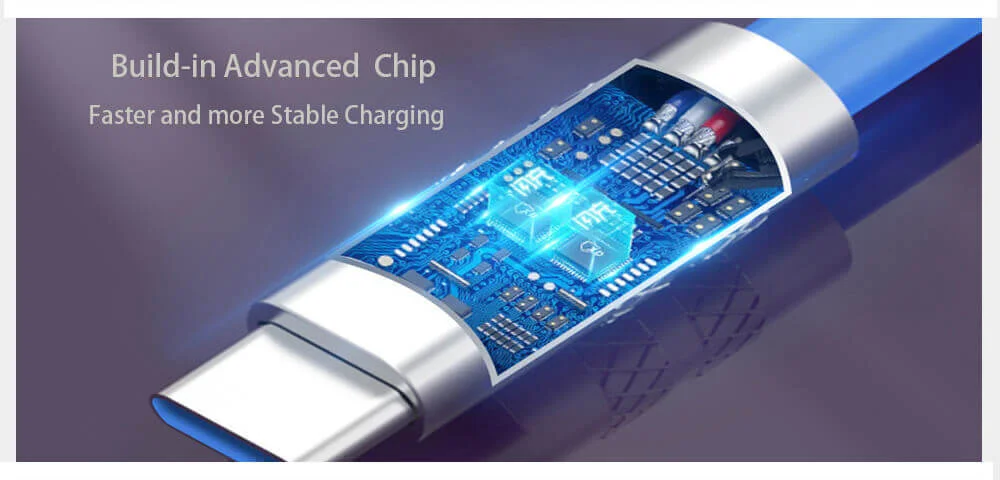
Mobile Phone Accessories Wholesale

Mobile Phone Accessories Wholesale

1.  Cases  and  covers:  Protective  cases,  leather  cases,  wallet  cases,  and  waterproof  cases  are  some  of  the  popular  options  available  in  the  market.
2.  Screen  protectors:  Tempered  glass,  film,  and  anti-glare  screen  protectors  help  protect  the  phone’s  screen  from  scratches  and  damage.
3.  Charging  and  data  cables:  Fast  chargers,  data  cables,  and  wireless  chargers  are  essential  accessories  for  charging  and  transferring  data  between  devices.
4.  Power  banks:  Portable  power  sources  that  provide  backup  power  to  charge  smartphones  and  other  devices.
5.  Headphones  and  earphones:  Wireless  and  wired  headphones,  earbuds,  and  noise-cancelling  headphones  are  popular  accessories  for  listening  to  music  and  making  phone  calls.
6.  Bluetooth  accessories:  Wireless  keyboards,  mice,  speakers,  and  fitness  trackers  are  some  of  the  popular  Bluetooth-enabled  accessories.
7.  Camera  lenses  and  accessories:  Phone  lenses,  tripods,  and  selfie  sticks  enhance  the  camera  functionality  of  mobile  devices.
8.  Mobile  phone  holders  and  mounts:  Car  mounts,  desk  mounts,  and  bike  mounts  help  users  secure  their  phones  in  various  locations.
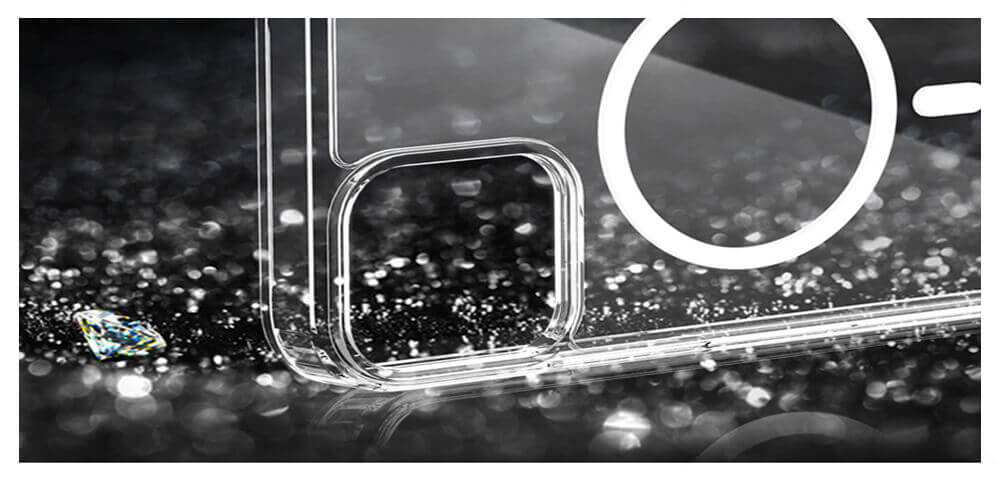
Anti-shock Transparent iPhone Case

Anti-shock Transparent iPhone Case

Section  3:  Market  Trends
 
1.  Increasing  demand  for  high-end  accessories:  With  the  rise  in  smartphone  prices,  consumers  are  increasingly  willing  to  spend  more  on  high-quality  accessories  that  complement  their  devices.
2.  Wireless  technology:  The  market  for  wireless  accessories,  such  as  wireless  chargers,  headphones,  and  keyboards,  is  growing  as  they  offer  convenience  and  ease  of  use.
3.  Customization:  The  demand  for  personalized  and  customized  mobile  phone  accessories,  such  as  phone  cases  and  covers,  is  increasing,  providing  a  boost  to  the  market.
4.  Environmental  concerns:  The  market  is  witnessing  a  shift  towards  eco-friendly  and  sustainable  mobile  phone  accessories,  such  as  biodegradable  cases  and  renewable  energy-based  chargers.
5.  Online  shopping:  The  shift  towards  online  shopping,  especially  through  e-commerce  platforms  and  social  media,  has  made  it  easier  for  consumers  to  access  a  wide  range  of  mobile  phone  accessories.
 
Section  4:  Market  Growth  Drivers
 
1.  Increasing  smartphone  penetration:  As  more  people  own  smartphones,  the  demand  for  mobile  phone  accessories  is  expected  to  grow  accordingly.
2.  Rising  disposable  incomes:  The  increase  in  disposable  incomes  in  developing  countries  is  leading  to  an  increase  in  the  spending  on  mobile  phone  accessories.
3.  Growing  trend  of  BYOD  (Bring  Your  Own  Device):  The  trend  of  BYOD  in  businesses  is  driving  the  demand  for  mobile  phone  accessories,  as  employees  need  to  personalize  their  devices  for  work  purposes.
4.  Marketing  strategies:  Mobile  phone  manufacturers  and  accessory  brands  are  using  innovative  marketing  strategies,  such  as  partnerships  and  collaborations,  to  promote  their  products  and  increase  brand  visibility.
 
Section  5:  Market  Challenges
 
1.  Competition  from  unauthorized  sellers:  The  market  is  faced  with  competition  from  unauthorized  sellers,  which  can  lead  to  a  decline  in  the  overall  market  revenue.
2.  Counterfeit  products:  The  presence  of  counterfeit  products  in  the  market  can  damage  the  reputation  of  genuine  brands  and  affect  the  overall  market  growth.
3.  Regulatory  compliance:  The  stringent  regulatory  requirements  for  mobile  phone  accessories  can  hinder  the  market  growth,  especially  for  small  and  medium-sized  businesses.
Phone Accessories Cleaning Kit

Phone Accessories Cleaning Kit

 
The  mobile  phone  accessories  market  is  a  rapidly  growing  market,  driven  by  the  increasing  smartphone  penetration,  rising  disposable  incomes,  and  the  demand  for  high-quality  accessories.  The  market  is  expected  to  witness  further  growth  with  the  continuous  advancements  in  technology  and  the  introduction  of  new  products.  However,  the  market  also  faces  challenges  such  as  competition  from  unauthorized  sellers,  counterfeit  products,  and  regulatory  compliance.  The  key  to  success  in  this  market  lies  in  offering  high-quality,  innovative mobile phone accessories and keeping updated.


Phone Charger Safety: 7 Warning Signs You Must Replace Your Charger Immediately

In our connected world, the humble phone charger is a lifeline. We use it daily, often without a second thought. Yet, this unassuming accessory sits at a dangerous crossroads: it manages high-voltage AC electricity from your wall outlet and converts it to lower-voltage DC power for your expensive smartphone. A faulty charger isn’t just an inconvenience; it’s a potential hazard to both your device and your personal safety.

Many people hold onto chargers for years, treating them as immortal companions to their ever-upgrading phones. However, chargers have a lifespan and can degrade or become dangerously incompatible. Using a compromised charger can lead to slow charging, permanent battery damage, electrical shocks, or even fires.

How do you know when to replace it? Don’t wait for a spark or a dead phone. Here are the seven critical warning signs that your phone charger needs to be replaced immediately.

1. The Loose or Wobbly Connector

This is one of the most common and hazardous issues.

  • The Problem: The plug that connects to your phone’s port becomes loose, doesn’t “click” in securely, or requires constant adjusting to maintain a charge.

  • The Risk: A loose connection creates intermittent contact. This causes tiny electrical arcs each time the connection flickers, generating excess heat at the metal contacts. Over time, this can:

    • Melt the port: Damage your phone’s internal charging port, leading to costly repairs.

    • Cause electrical shocks: Exposed, frayed, or broken metal parts inside the connector can touch the user.

    • Start a fire: The high resistance at the point of poor contact generates significant heat, which can melt plastics and ignite nearby materials.

  • The Verdict: A loose connector is a definitive failure point. Replace the cable (if the issue is with the USB end) or the entire charger immediately.

2. Physical Damage: Cracks, Frays, and Crushes

Inspect both the charger body (the “brick”) and the cable regularly.

  • The Problem: Visible damage to the housing, a bent AC plug, a frayed or split cable exposing wires, or kinks that feel unusually stiff.

  • The Risk: Compromised insulation exposes internal wires to air, moisture, and touch. This dramatically increases the risk of:

    • Short circuits: Leading to sparks inside the charger brick.

    • Electric shock: Direct exposure of live wires.

    • Component failure: A damaged housing can let dust and moisture in, corroding internal components.

  • The Verdict: Electrical insulation is your primary safety barrier. If it’s broken, the charger is unsafe. Do not use tape as a permanent fix.

3. Signs of Overheating or Burn Marks

Your charger should never be too hot to touch comfortably.

  • The Problem: The charger brick or the plug head becomes uncomfortably or alarmingly hot during use. Look for discoloration, melting, or brown/black burn marks on the charger or the wall socket.

  • The Risk: Excessive heat is a symptom of failing components, overload, or poor internal connections. It is the direct precursor to:

    • Component failure: Capacitors and transformers can burst.

    • Fire: The heat can ignite the charger’s plastic housing or nearby curtains, papers, or bedding.

  • The Verdict: Unplug a hot charger immediately and let it cool in a safe, non-flammable area. Do not reuse it. This is a severe red flag.

4. Corrosion and Moisture Damage

Chargers used in bathrooms, kitchens, or during travel are susceptible.

  • The Problem: Rust or greenish corrosion on the metal AC pins, or moisture/debris inside the USB port of the charger.

  • The Risk: Corrosion increases electrical resistance, leading to the same overheating risks as a loose connection. Moisture inside the unit can cause a short circuit across high-voltage components, potentially leading to:

    • Explosive failure: Vaporized moisture can rupture the charger casing.

    • Electrocution risk: Water provides a path for electricity to the outer shell.

  • The Verdict: Corrosion is degenerative and will only worsen. A charger with rusty pins or suspected internal moisture damage should be discarded.

5. Incompatible or Grossly Underpowered Specifications

Using an ancient charger with a modern phone is a recipe for problems.

  • The Problem: Using an old 5V/1A (5-watt) charger with a phone designed for 18W, 30W, or 65W fast charging. The phone charges painfully slowly.

  • The Risk: While your phone will typically draw only what it needs, the strain is on the charger. An old, low-power charger running continuously at its maximum output for 4-6 hours to charge a large modern battery is pushed to its thermal limits. This sustained stress can:

    • Degrade the charger: Cause its components to fail prematurely from constant operation.

    • Create heat buildup: Leading to the overheating risks mentioned above.

  • The Analogy: It’s like asking a compact car engine to continuously tow a heavy trailer at its maximum RPM. It will work for a while, but the engine will overheat and fail much sooner.

  • The Verdict: For battery health and safety, use a charger that meets or reasonably exceeds your phone’s standard charging requirements. It doesn’t have to be the fastest, but it shouldn’t be a relic.

6. The Mystery of the Knock-Off or Ultra-Cheap Charger

If the price seems too good to be true, the safety probably is.

  • The Problem: A charger purchased from an unofficial vendor, a street market, or an obscure online retailer at a fraction of the brand-name price. It may feel unusually light.

  • The Risk: These chargers often cut every possible corner. They lack critical safety components like proper fuses, surge protection, and isolation between high and low-voltage sections. Investigations have shown they may use substandard materials, inadequate insulation, and faulty soldering.

    • No Protection Circuits: They can deliver erratic voltage, “dirty” power with electrical noise, or even send a voltage surge directly to your phone’s battery management system.

    • Slow Battery Murder: They can degrade your phone’s battery health over time through inconsistent charging.

  • The Verdict: Invest in chargers from reputable brands (phone manufacturer, Anker, UGREEN, Belkin, etc.). The cost is an investment in the safety of your $1,000 phone and your home.

Replace Your Phone Charger

Replace Your Phone Charger


7. Intermittent Functionality and “Ghost” Charging

The charger only works at a specific angle or randomly starts/stops charging.

  • The Problem: The charger is unreliable, requiring you to jiggle the cable or plug to initiate charging.

  • The Risk: This is a clear sign of an internal break or a failing connection. It shares the same risks as a loose connector—arcing, heat, and potential for short circuits. It also indicates the charger is at the end of its functional life.

  • The Verdict: Reliability is key. An unreliable charger is a failing charger. Replace it before it fails completely or fails dangerously.

Proactive Charger Care and Replacement Strategy

  • Buy Smart: Stick to well-known brands. Look for safety certifications (like UL, CE, or FCC marks) on the charger itself.

  • Handle with Care: Don’t yank the cable from the plug; pull from the sturdy connector head. Avoid tight bends, especially near the ends.

  • Inspect Regularly: Make a quick visual and tactile inspection part of your routine when you plug in your phone.

  • When in Doubt, Throw it Out: Chargers are relatively inexpensive. The potential cost of a fire, a severe shock, or a destroyed smartphone dwarfs the price of a new, safe charger.

Your phone charger is a vital piece of safety equipment. By recognizing these seven warning signs—loose connectors, physical damage, overheating, corrosion, incompatibility, poor origins, and intermittent operation—you can take proactive steps to protect your devices, your home, and most importantly, yourself. Don’t let a $20 accessory risk everything. Replace it wisely and charge with confidence.

What is the Best Travel Charger? Words from a manufacturer

Travel Chargers are essential when we use Mobile Phones and Electronic devices in our dailly life. As the files are bigger and bigger, films and videos are longer and longer, even our talk by free software are not so tight to finish…These will cause a serious problem for the batteries. We need a good travel charger to refill the batteries. 

Most of us will use a power bank to extend the mobile phone battery life. What is the result if we are on travel and the power bank is going to be out? 

Yes! We need a mobile phone charger for smart phones or electronics. Let us see what is a good travel charger from eye of both as a travel charger user and home charger manufacturer for cell phones. 

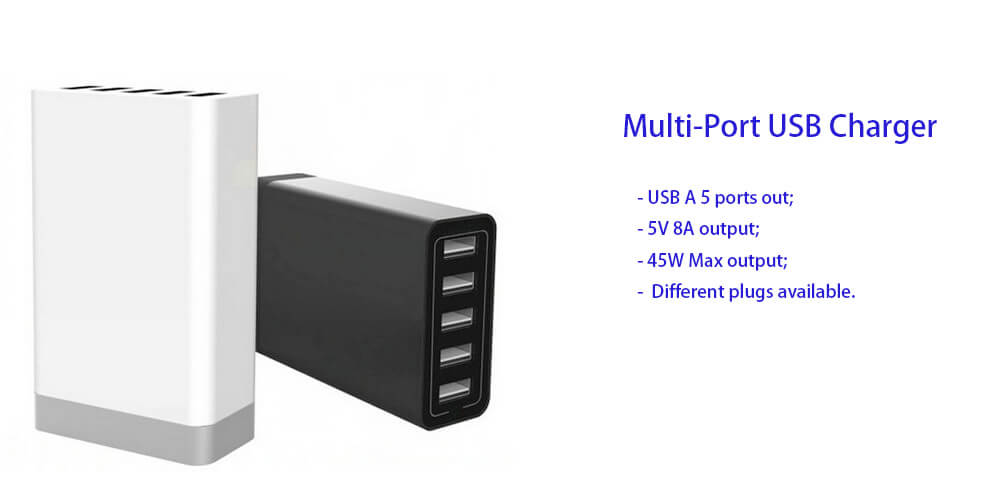
Multi Ports USB Charger

1. Travel Charger Provides Quick Charge to Smart Phones

Nobody wants to wait 6 hours or more to get a full charge to 100% for your cell phone. This only happened years ago. As the time goes, quick charger make phone charge simple. 30 mins to charge your phone to 50% or more and an hour to finish. It is exciting, isn’t it? 

These are the right phone chargers we want – Charge rapidly and last long. Importantly, the phone charger will not harm your cell phone batteries while offer efficience. 

Now almost all smart phone brand carriers as Samsung, Huawei, Mi, Apple will take quick charge technology in the phone charging system.

2. Travel charger with Multi Ports Outlet for Different Smart Phones or Devices

We would carry a lot of chargers to travel from one place to another 2-3 years ago, like Chargers for smart phones, cameras, power banks, e-readers, notebooks, drones and more with different charge cables. 

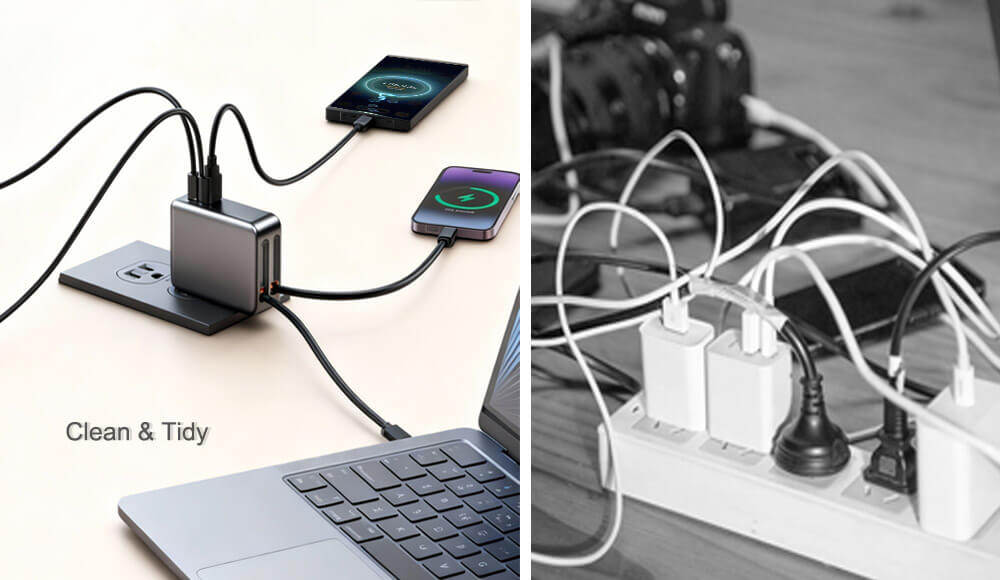
Now thinngs are going simple. You just carry 1-2 chargers with 3 ports outlet and they can take care of your full charge system for all devices. 

Travel chargers with dual port, 3 ports or even. more will make things easier. This reduces the travel weight for luggages. And many of the devices share the same cable for charge and data, like the type c may fit for notebooks, cameras, gopros or cell phones. Forget a bunch of cables but with serveral good one. 

3. Protection for Safety

The safety is greatly improved as the PCB and IC technology go. The PCB, IC and other components improved to reduce the weight and cube of a charger. And it will provide more firewalls for safety. 

A good phone charger with well-designed PCB is perfect.  How can a normal user know it is well-designed? Here goes your question. 

My answer is simple. You can buy original or famous brand moible phone chargers. 

There would go your anothe question again. There are many styles with high and low prices, how can I select the best one?

Select the style and ports you need. DO CHECK the safety approval if it meet your counrtry standards as CE, UL and so on. If all with safety approval, take the cheepest one with your desired looking, 

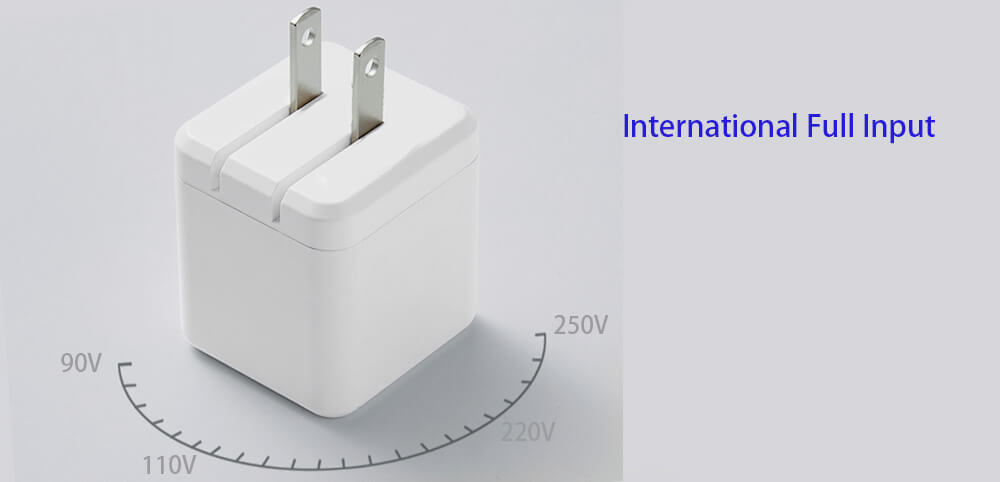
90-250V international Input

4. Travel Charger Suitable for 90-250V Ineternational Input

There are several options for voltage inputs. 

US is with 110V input. And China is with 220V input. So 90-120V would mostly designed for 110V input phone chargers. So 200-250V for 220V mobile chargers. 

Not all phone chargers are suitable for US AND China input. This means, US input mobile phone chargers may not use in China because it is 110V input. It will explode if we put that charger in China hotels for charge. That is really a problem. 

So we select a charger with 90-250V input. With this one, we can travel globally without any input converter. 

5. Full Protocols to meet Apple, Huawei, Samsung or more Phones

The days have passed when a mobile phone must have its own original travel charger. Neither do with cameras or notebooks.

As the phone connectors are in standard port, it is much easier for phone carriers. A type C cable may suit for most of the new android phones, notebooks or tablets. We carry less and less charge cables when we travel because the connectors are becaming the same. 

How about the chargers? 5V, 9V, 12V or 20V input? They can do as the cables? The answer is yes! Now PD chargers or QC chargers are with adjustable output voltage. The travel charger (actually car chargers can do the same) will communicate with chip inside phones or notebook. then make the max output of power to ensure a rapid charge. 

The phone accepts 5V 2A or 9V 2A. And the travel charger can offer 5V 2.4A, 9V 2A, 12V 2A or 20V 2.5A. The travel charger will communicate with phone brain to see the max voltage and currency. The phone gets back with 9V 2A. Thus they shake hands and make no problem. 

We have QC, PD or each of the protocols for each mobile manufacturer or phone band carriers. No worry. That could be conbined in one single charger! A charger can fit for iPhone 13, Samsung S21, Huawei Mate 40 or even the Macbook air!

This will reduce a large amount travel chargers when at home, in office or travel. 

6. Travel Chargers with Compact size

Size for travel charger is really a big problem when out of office or home. large size always means heavy weight. 

We cannot imagine carrying a luggage with half of heavy chargers for Cameras, Phones, notebooks, tablets, watches and more. 

Why not solve this with 2-3 good travel chargers with 3 ports out each? And carry one with a compact size and light weight. 

7. Travel Chargers with Changeable / Replaceable Pin Plugs

The pin plugs are different when travel to Europe, UK, China. If we travel to different countries, the pin plug is also a problem. I am sure we will take 1-2 travel converter to make the right pin plugs compatible with the destination country. But if the charger is equipped with  simple multi pins. This will reduce the weight a lot. 

8. Different Ports output for the travel charger- Type C, USB A

Most of the phone chargers are with USB C out. Some are with USB A output for the travel chargers. 

65W Multi Protocol Charger with Changeable Plugs

9. Max Power Watts to Charge Notebooks

It is true now a simple Gna charger can charge Macbook Pro with 120W output with 3 ports. 2 Type C output and 1 normal USB A output.