The Complete Guide to Memory Card and Card Reader: Choosing the Right Storage for Your Devices

Introduction: The Unsung Heroes of the Digital Age

In an era where we capture life’s most precious moments in stunning 4K resolution and save entire libraries of work and entertainment on devices that fit in our palms, two components work tirelessly behind the scenes: the memory card and the memory card reader. Often overlooked, these tiny pieces of technology are the gatekeepers of our digital lives.

A poor choice in either can lead to disaster—corrupted files, lost vacation photos, a ruined professional shoot, or agonizingly slow transfer speeds that bottleneck your entire creative workflow. Conversely, the right combination acts as a seamless, high-speed pipeline, ensuring your data is safe, secure, and quickly accessible.

This definitive guide will demystify the world of memory cards and readers. We’ll explore the different formats, decode the confusing speed classes, and provide a clear roadmap to selecting the perfect storage solution for your camera, drone, smartphone, or gaming device.

Chapter 1: Understanding Memory Card Formats

Not all memory cards are created equal. The format you need is determined by the device you use. Here are the most common types you’ll encounter today.

1. SD (Secure Digital) & microSD Cards

The undisputed kings of consumer storage, these are found in everything from DSLR cameras to Nintendo Switches.

  • SD Card: The larger, original form factor. Commonly used in digital cameras, camcorders, and some older laptops.

  • microSD Card: The tiny but mighty variant. It’s the standard for smartphones, drones (like DJI models), action cameras (GoPro), and modern handheld gaming systems. Note: microSD cards often come with an SD adapter, allowing them to be used in devices with a full-sized SD slot.

Within the SD family, there are three capacity-based generations:

  • SDSC (Standard Capacity): Up to 2GB (largely obsolete).

  • SDHC (High Capacity): 4GB to 32GB.

  • SDXC (eXtended Capacity): 64GB to 2TB. This is the current standard for most high-demand users.

  • SDUC (Ultra Capacity): 4TB to 128TB. This is a newer standard designed for future-proofing.

2. CFexpress Cards

The new professional-grade standard, designed for high-performance stills and video cameras.

  • Types: CFexpress Type A (smaller, used in Sony cameras like the A7S III), and CFexpress Type B (larger, used in high-end Canon, Nikon, and Panasonic cameras).

  • Technology: They use the blazing-fast NVMe protocol (the same technology inside super-fast SSDs), offering incredible transfer speeds that are essential for recording 8K video, high-frame-rate 4K, and rapid burst-mode photography.

3. CompactFlash (CF) Cards

The previous professional workhorse. While now being phased out in favor of CFexpress, many professional DSLRs still use them. They are larger, robust, and were once the fastest option available.

Chapter 2: Decoding Memory Card Speed Ratings and Classes

This is the most confusing but critical part of choosing a card. Speed ratings determine if your card can handle tasks like 4K video recording or rapid-fire photography.

1. Speed Class (C)

The original speed rating, denoted by a number inside a “C” (e.g., C4, C6, C10). The number represents the minimum sustained write speed in MB/s. Class 10 (10 MB/s minimum) is the bare minimum for most modern uses, including Full HD video.

2. UHS Speed Class (U)

An upgrade for higher-quality video.

  • U1: Minimum write speed of 10 MB/s (good for HD and Full HD video).

  • U3: Minimum write speed of 30 MB/s (essential for 4K video recording).

3. Video Speed Class (V)

Designed specifically for video recording, ensuring stable performance without dropped frames.

  • V6, V10: For HD/Full HD.

  • V30: For 4K video at standard frame rates. A very common and good value choice.

  • V60: For 4K at 60/120fps and 8K video.

  • V90: For high-bitrate 8K video and high-resolution burst-mode photography.

4. Bus Interface (UHS-I vs. UHS-II)

You can identify this by the number of rows of pins on the back of the card.

  • UHS-I: One row of pins. Theoretical max speed of 104 MB/s.

  • UHS-II: Two rows of pins. Theoretical max speed of 312 MB/s. Requires a UHS-II compatible reader to achieve these speeds.

Pro Tip: For 4K video, look for a card rated at least U3 and V30. For higher-end video and photography, aim for V60 or V90.

Chapter 3: The Crucial Role of the Memory Card Reader

Your expensive, high-speed memory card is only as fast as the reader it’s plugged into. Using a cheap, outdated reader is like putting a Ferrari engine in a go-kart.

1. Why a Good Reader Matters

  • Maximizes Speed: A USB 2.0 reader (max ~40 MB/s) will cripple a UHS-II or CFexpress card that can read at over 300 MB/s. You need a reader that matches your card’s potential.

  • Reliability and Data Integrity: Quality readers from reputable brands (like SanDisk, ProGrade, Kingston, Anker) have better controllers and build quality, reducing the risk of corruption during transfer.

  • Multi-Card Support: Many modern readers support multiple card slots (e.g., SD + microSD + CFexpress) simultaneously, allowing you to transfer from different devices without swapping cables or readers.

  • Convenience: Built-in readers on laptops are often slow. An external reader connected via fast USB-C is a massive upgrade.

2. Understanding Reader Interfaces

The port you plug the reader into is just as important as the reader itself.

  • USB 2.0: Avoid for any modern card. Max speed ~40 MB/s.

  • USB 3.2 Gen 1 (formerly USB 3.0/3.1): Max speed 5 Gbps (~625 MB/s). This is the standard for most good readers and is sufficient for UHS-I and some UHS-II cards.

  • USB 3.2 Gen 2: Max speed 10 Gbps (~1,250 MB/s). Necessary to get the full speed out of fast UHS-II and CFexpress cards.

  • USB4 / Thunderbolt 3/4: The fastest available, with speeds up to 40 Gbps. Used by high-end professional readers for transferring massive video files in seconds.

Chapter 4: How to Choose the Right Memory Card and Reader for Your Needs

Matching your gear to your use case is key to avoiding overspending or buying inadequate equipment.

1. The Casual User / Smartphone

  • Card: A U1 or U3 microSD card with 64GB-256GB of storage from a reliable brand like Samsung EVO Select or SanDisk Ultra.

  • Reader: Often, the USB-C to microSD adapter that comes with your phone or a simple, inexpensive USB-A or USB-C reader is sufficient.

2. The Photographer / Videographer (4K)

  • Card: For DSLRs and mirrorless cameras, a UHS-I or UHS-II SD card with a V30 or V60 rating. 128GB-256GB is a good sweet spot.

  • Reader: A USB 3.2 Gen 1 multi-card reader that supports UHS-II if your cards require it.

3. The Professional / Content Creator (High-Bitrate 4K, 8K)

  • Card: CFexpress Type A or B or high-end UHS-II SD cards with a V60 or V90 rating. Capacity of 256GB and above.

  • Reader: A dedicated, high-speed CFexpress reader or a premium multi-slot reader with USB 3.2 Gen 2 or Thunderbolt support. Brands like ProGrade Digital, Sony, and Angelbird are leaders here.

4. The Drone / Action Cam Enthusiast

  • Card: microSD cards are the standard. Due to high-bitrate video, a U3/V30 card is the absolute minimum. For higher frame rates, V60 is recommended. Endurance and reliability are key.

  • Reader: A robust USB-C reader that can handle constant plugging and unplugging.

Table: Memory Card & Reader Recommendations by Use Case

Use Case Recommended Card Type Recommended Speed Class Recommended Reader
Smartphone/Nintendo Switch microSD U1, U3 Basic USB-A/USB-C Reader
Beginner DSLR/1080p Video SDHC/SDXC UHS-I, U1, U3 USB 3.2 Gen 1 Reader
Enthusiast Photographer/4K Video SDXC UHS-I/UHS-II, V30 USB 3.2 Gen 1 UHS-II Reader
Professional 4K/8K Video CFexpress Type B, SDXC V60, V90 USB 3.2 Gen 2 / Thunderbolt Reader
Drone/Action Cam microSD U3, V30, V60 Durable USB-C Reader

Chapter 5: Best Practices for Longevity and Memory Card Data Security

Your memory card is a temporary vessel, not a long-term archive.

  1. Format, Don’t Delete: Always format your card in the device you plan to use it in (e.g., your camera) after transferring files. This clears the directory and prepares the card for new data, reducing the chance of errors. Never just delete files manually on your computer.

  2. Safely Eject: Always use the “Safely Remove Hardware” option on your computer before unplugging your card reader.

  3. Buy from Reputable Sources: Counterfeit cards are rampant online. Buy from authorized retailers (e.g., Amazon directly, B&H, Adorama) to avoid fakes that report false capacities and fail prematurely.

  4. Store Properly: Keep cards in a protective case, away from moisture, extreme heat, and magnets.

  5. The 3-2-1 Backup Rule: For critical data, have 3 copies total, on 2 different media types (e.g., memory card + external hard drive), with 1 copy off-site (e.g., cloud storage).

Conclusion: Invest in Your Digital Pipeline

Choosing the right memory card and reader is not just about storage; it’s about building a reliable, high-performance pipeline for your digital content. By understanding the formats, speed classes, and technology behind these essential tools, you can make an informed decision that protects your data, enhances your workflow, and unlocks the full potential of your devices.

Don’t let your gear be bottlenecked by slow, unreliable storage. Invest in quality components from trusted brands, and you’ll enjoy a faster, more secure, and more efficient creative process for years to come.

Ready to upgrade your setup? Use the knowledge from this guide to compare top-rated memory cards and readers from leading brands today!
Wholesale iPhone LCD Screen Replacement Parts | Bulk Supplier

As a leading wholesale supplier of iPhone LCD screens, we provide high-quality, reliable replacement parts for repair businesses worldwide. Our comprehensive range of OEM-grade iPhone LCD screens ensures perfect compatibility and performance for models from the classic iPhone 6 to the latest iPhone 16 series, helping you restore devices to their original clarity and touch functionality.

Our iPhone LCD Screen Product Range

We stock a vast inventory of iPhone LCD replacement parts to meet every repair need:

  • Latest Models: iPhone 11, 12, 13, 14, 15, and 16 LCD Screens, including Plus, Pro, and Pro Max variants.

  • Older Models: High-quality replacement screens for iPhone 6, 7, 8, and iPhone X series.

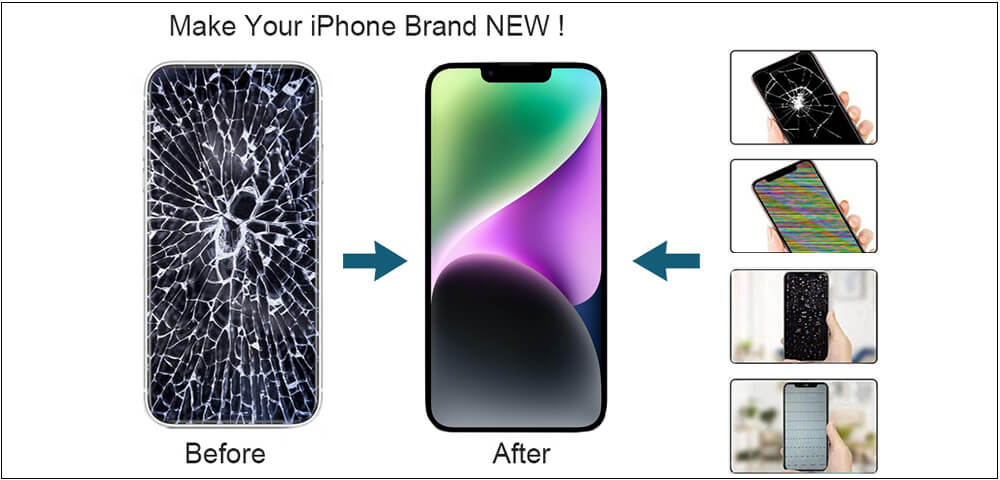
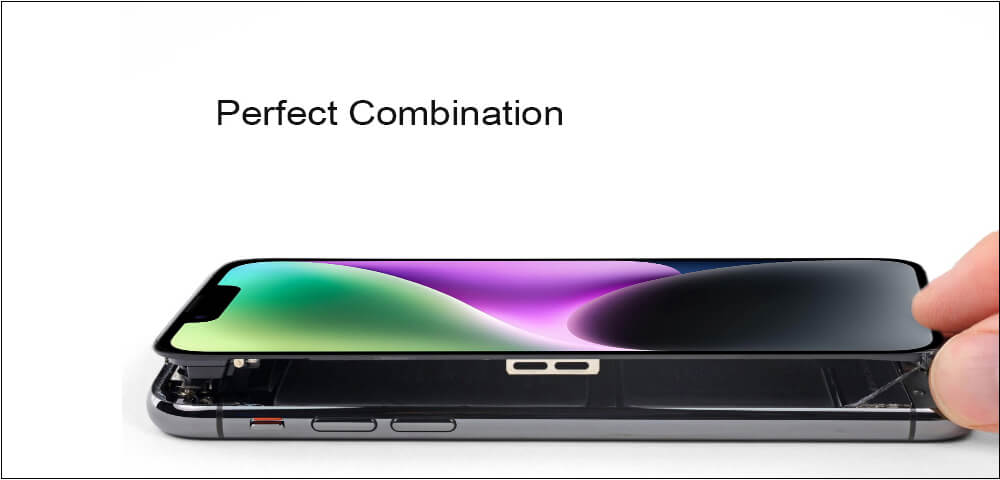
iPhone 14 Repair LCD Screens

iPhone 14 Repair LCD Screens

Why Source Your iPhone Repair Parts from Us?

Partnering with us means investing in quality and reliability for your repair business. Our key advantages include:

  • Premium Quality Assurance: Every iPhone LCD screen is 100% tested for perfect functionality, color accuracy, and touch sensitivity before shipment. We use OEM-grade materials for lasting durability.

  • Competitive Bulk Pricing: Get the best wholesale iPhone LCD prices with significant discounts on large-volume orders, maximizing your profit margins.

  • Rapid & Reliable Global Shipping: We understand time is money. Our efficient logistics ensure your order is processed and shipped within 24 hours.

  • Dedicated After-Sale Support & Warranty: We focus on long-term, win-win relationships. Our dedicated support team and comprehensive warranty program have your back.

iPhone LCD Screens Wholesale China Supplier

iPhone LCD Screens Wholesale China Supplier

Request Your Free Wholesale Catalog & Price List Today!
Ready to streamline your supply chain? Contact our sales team to get the latest wholesale pricing, full model compatibility lists, and technology information for all our iPhone LCD screens repair parts.

Contact Now!

The Booming Market of Anti-Lost Phone Strap Cables Wholesale

The Ultimate Guide to Anti-Lost Phone Strap Cables Wholesale: Profiting from the $4.8B Mobile Security Market

Executive Summary

The anti-lost phone strap cables wholesale market is projected to reach $4.8B by 2027 (CAGR 12.3%), fueled by smartphone dependency and active lifestyles. This guide reveals how phone accessories or 3C wholesalers can capitalize on innovations like charging-integrated neck anti-lost straps, retractable security cables, and corporate safety lanyards – with profit margins up to 70%. Discover supplier selection, customization strategies, and emerging trends transforming this niche.


Section 1: Why Anti-Lost Straps Are Revolutionizing Mobile Security

1.1 The Drop Damage Epidemic

  • 68% of smartphone users damage devices from drops (Forrester)

  • Average repair cost: $250 for flagship models

  • Anti-lost charger cables solve two problems:
    ✅ Physical security (straps/clips)
    ✅ Power access (built-in charging)

1.2 Key Product Innovations

Feature Technical Advancement User Benefit
GaN-Integrated Straps 20W PD charging chips in lanyard clasps Charge while securing phone
Smart Breakaway Tech Magnetic release at 10-15lb force Prevents choking during accidents
Retractable Systems 1.5m tangle-free cables with auto-rewind No cable snagging
Multi-Device Hooks Rotating carabiners for phones/keys/ID All-in-one organization

Infographic: Market growth drivers for anti-lost accessories


Section 2: Wholesale Product Deep Dive

2.1 Top-Selling Categories

A) Neck Anti-Lost Straps (45% Market Share)

  • Premium Materials: Neoprene/SBR latex blends (sweat-resistant)

  • Security Features: RFID-blocking pouches + steel cable cores

  • Best Sellers:

    • MagLanyard Pro: MagSafe-compatible with 15W charging ($2.15/unit wholesale)

    • StealthVault: Hidden pocket for credit cards + detachable cable

B) Anti-Lost Charger Cables (30% Share)

  • Technical Specs:

    • Nylon-braided cables (10,000+ bend cycles)

    • USB-C/Lightning/Type-C variants

    • 3A fast charging + 480Mbps data transfer

  • MOQ Advantage: 500+ units at $0.95-$1.75

C) Specialty Straps

  • Wrist Security Straps: For runners/gym users

  • Badge Integrations: Corporate ID lanyards with charging ports

  • Child Safety Tethers: 3ft retractable cables for family travel

2.2 Customization Engine

Anti-lost customization cables lanyards

Anti-lost customization cables lanyards

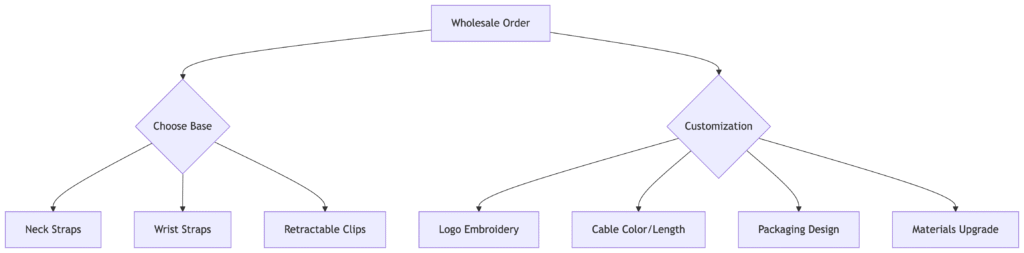
Customization workflow for bulk orders


Section 3: Target Markets & Sales Strategies

3.1 High-Yield Customer Segments

Segment Product Match Bundling Strategy
Corporate Gifting Branded badge lanyards + charging Add power banks + screen protectors
Travel Retail Passport neck straps + global adapters Bundle with TSA luggage scales
Fitness Industry Sweatproof arm straps Pair with wireless earbuds
Education Sector Campus ID lanyards with QR codes Include phone sanitizers

3.2 Proven Marketing Tactics

  1. Amazon FBA Optimization:

    • Keywords: “anti-lost phone strap cables wholesale” + “neck anti-lost straps”

    • A+ Content: Videos showing 10ft drop tests

  2. B2B Outreach:

    • Target: Hotel chains, gym franchises, event planners

    • Pitch: “Reduce staff phone damage costs by 80%”

  3. Social Proof:

    • Case Study: SprintMart reduced employee device losses by 92% using our straps


Section 4: Supplier Selection Guide

4.1 Must-Have Certifications

  • Safety: CE/FCC/RoHS compliance

  • Durability:

  • Materials: REACH/SGS certifications

4.2 Audit Checklist for Anti-Lost Cable Suppliers

  1. Manufacturing Capabilities:

    • In-house mold making for custom hooks/clasps

    • SMT assembly lines for charging circuits

  2. Quality Control:

    • 12-stage inspection protocol

    • Sample failure rate <0.2%

  3. Logistics Advantages:

    • FBA prep services

    • Sea/air freight options with DDP terms

4.3 Cost Breakdown (10,000 Unit Order)

Component Cost Per Unit Premium Upgrade
Base Neck Strap $0.70 Eco-leather ($1.10)
Charging Cable $0.45 100W GaN ($0.85)
Custom Embroidery $0.15 Metallic thread ($0.30)
Total Production $1.30 $2.25
Retail Price $12.99 $24.99

Section 5: Future Trends & Opportunities

5.1 Emerging Technologies

  • Smart Straps:

    • Bluetooth proximity alerts

    • UV phone sanitizers in clasps

  • Eco-Innovations:

    • Straps from recycled ocean plastics

    • Biodegradable cable jackets

5.2 Untapped Markets

  • Senior Care: Fall-detection lanyards with emergency buttons

  • Adventure Tourism: Waterproof straps with dive-case compatibility

  • Retail Theft Prevention: Electronic article surveillance (EAS) tags


Section 6: How to Start Wholesaling

6.1 Step-by-Step Process

  1. Niche Selection: Focus on high-margin segments (e.g., corporate or travel)

  2. Supplier Vetting:

    • Request samples with custom logos

    • Verify factory audits via Alibaba Trade Assurance

  3. Order Optimization:

    • Start with 500-unit test order

    • Use 30/40/30 inventory split: Basic/Custom/Premium

  4. Sales Channels:

    • Amazon FBA (35% margin)

    • Shopify B2B store (direct to businesses)

    • Local gyms/hotels (consignment deals)

6.2 Profit Calculator

text
Revenue = Units Sold × Average Retail Price ($19.99)  
Cost = (Unit Cost + Shipping + Marketing)  
Profit Margin = (Revenue - Cost) ÷ Revenue × 100

Example: 5,000 units @ $2.15 cost → $58,425 profit (63% margin)


Conclusion: Seize the $4.8B Opportunity

The anti-lost phone strap cables wholesale market offers unprecedented growth for savvy distributors. By combining technical innovation (charging integration), strategic customization, and targeted marketing, wholesalers can achieve:

  • 40-70% profit margins

  • Recurring corporate contracts

  • 5X inventory turnover rates

Ready to dominate this niche?
Download our Wholesale Starter Kit:

  • Supplier negotiation script

  • 2024 trend forecast report

  • Customs clearance checklist

The Future of Cell Phone Accessories Wholesale: Trends, Opportunities, and Strategies

The global smartphone market continues to thrive, with over 6.8 billion users worldwide as of 2023. This explosive growth has created a parallel demand for cell phone accessories wholesale and phone parts wholesale, making the industry a goldmine for retailers, repair shops, and entrepreneurs. As technology evolves, so do consumer expectations, driving innovation in accessories, repair tools, and replacement components. In this comprehensive guide, we explore the dynamic landscape of phone accessories wholesale, emerging trends, and actionable strategies to capitalize on this booming sector.

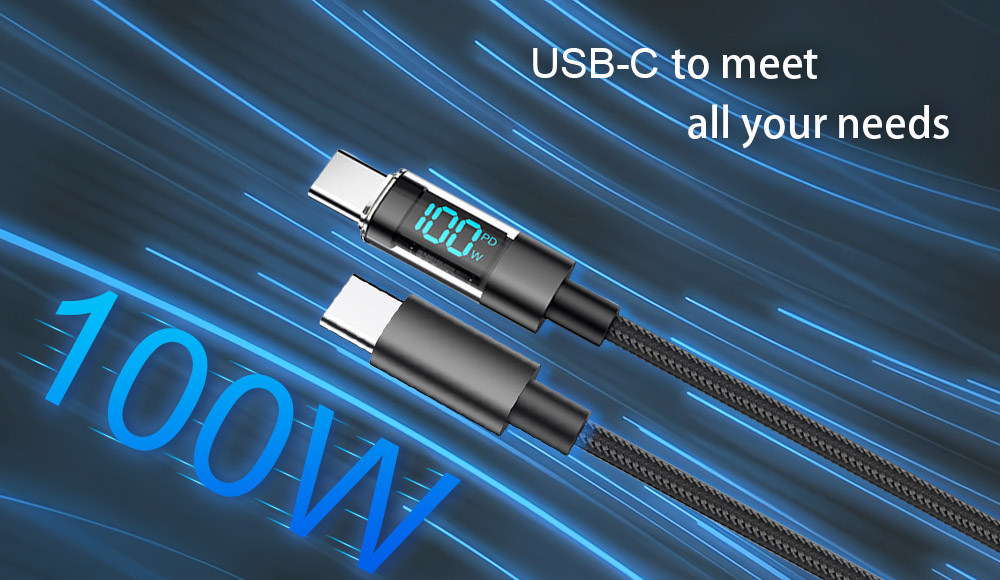
USB-C cables with LED

USB-C cables with LED


1. The Rising Demand for Phone Accessories Wholesale

Smartphones have become indispensable, and users increasingly seek ways to personalize, protect, and enhance their devices. From protective cases to high-tech chargers, the wholesale phone accessories market is projected to exceed $100 billion by 2027. Here’s what’s fueling this growth:

  • Device Customization: Consumers invest in cases, skins, and pop sockets to reflect their style.
  • Functionality: Demand for fast chargers, wireless earbuds, and power banks remains steady.
  • Sustainability: Eco-friendly accessories like biodegradable cases and solar-powered chargers are gaining traction.
  • Repair Culture: With rising device costs, users prefer repairs over replacements, boosting cell phone repair tools wholesale and phone parts wholesale markets.

2. Key Product Categories in Phone Accessories Wholesale

To succeed in this competitive space, wholesalers must curate a diverse inventory. Below are the most sought-after categories:

A. Protective Accessories

  • Phone Cases: Slim, rugged, and designer cases (e.g., tempered glass, silicone, or eco-friendly materials).
  • Screen Protectors: Anti-glare, privacy, and self-healing films.
  • Waterproof Pouches: Ideal for outdoor enthusiasts.

B. Charging Solutions

C. Audio Accessories

  • Wireless Earbuds: Noise-canceling and budget-friendly options.
  • Wired Earphones: Durable, tangle-free designs.
  • Bluetooth Speakers: Portable, waterproof models.

D. Repair Tools and Phone Parts Wholesale

  • Screwdriver Kits: Precision tools for disassembling devices.
  • Batteries: OEM and third-party replacements for popular models.
  • Screens: LCD and OLED displays for DIY repairs.
  • Adhesives and Connectors: Heat-resistant glue, charging ports, and flex cables.

E. Smart Tech Add-Ons

  • Phone Lenses: Clip-on wide-angle and macro lenses.
  • Gaming Controllers: Mobile-compatible joysticks.
  • Stylus Pens: For drawing and note-taking.


Custom Phone Cases Wholesale

Custom Phone Cases Wholesale


3. Emerging Trends Shaping the Industry

Staying ahead requires understanding these game-changing trends:

A. 5G-Compatible Accessories

As 5G networks expand, accessories like signal boosters, heat-dissipating cases, and high-speed cables are in demand.

B. AI-Enhanced Tools

AI-driven diagnostic apps paired with cell phone repair tools wholesale kits enable faster, accurate repairs.

C. Circular Economy

Refurbished parts and recyclable accessories reduce e-waste, aligning with global sustainability goals.

D. AR/VR Integration

Accessories like VR headsets and AR-compatible cases cater to gaming and professional users.

E. Localized Manufacturing

To cut costs and lead times, many wholesalers partner with phone parts wholesale suppliers in regions like China, India, and Vietnam.


Anti-lost key finder China supplier

Anti-lost key finder China supplier

4. Advantages of Sourcing Phone Accessories Wholesale

Purchasing bulk inventory offers unmatched benefits:

  • Cost Efficiency: Bulk pricing slashes per-unit costs, boosting profit margins.
  • Product Diversity: Stock trending and niche items to cater to varied customer needs.
  • Brand Partnerships: Collaborate with manufacturers for custom branding (e.g., logos on cases or cables).
  • Scalability: Easily adjust inventory volumes based on seasonal demand.

For repair businesses, cell phone repair tools wholesale bundles ensure access to high-quality, affordable kits.


5. How to Choose a Reliable Phone Accessories Wholesale Supplier

Partnering with the right supplier is critical. Consider these factors:

  • Certifications: Ensure compliance with FCC, CE, or RoHS standards.
  • MOQs: Opt for suppliers with flexible minimum order quantities.
  • Customization: Look for OEM/ODM services for private-label products.
  • Shipping: Verify global logistics capabilities and delivery timelines.
  • Reviews: Check testimonials from other phone accessories wholesale buyers.

Pro Tip: Attend trade shows like CES or MWC to connect with top suppliers.


6. Challenges in the CELL Phone Accessories Wholesale Market

Despite its potential, the industry faces hurdles:

  • Counterfeit Products: Substandard imitations harm brand reputation.
  • Fast Tech Obsolescence: Rapid device upgrades force constant inventory updates.
  • Regulatory Compliance: Adhering to regional safety and environmental laws.

Mitigate risks by partnering with ISO-certified phone parts wholesale suppliers and diversifying your product range.


7. Marketing Strategies for Wholesale Success

To stand out, adopt these tactics:

  • E-Commerce Optimization: Create a user-friendly B2B portal with bulk pricing tiers.
  • Social Proof: Showcase case studies of businesses using your cell phone repair tools wholesale kits.
  • Content Marketing: Publish blogs/videos on trends like “Top 5 Phone Accessories for 2024.”
  • Trade-In Programs: Offer discounts for returning old accessories for recycling.

8. The Road Ahead: Innovations in Phone Accessories Wholesale

The future promises exciting advancements:

  • Self-Healing Materials: Cases that repair minor scratches automatically.
  • Solar-Powered Chargers: Off-grid charging solutions for travelers.
  • Modular Accessories: Interchangeable components (e.g., attachable lenses or batteries).
  • Smart Repair Kits: AI-guided tools for novice technicians.
Cell Phone Accessories Wholesale

Cell Phone Accessories Wholesale


Conclusion: Seizing Opportunities in Phone Accessories Wholesale

The phone accessories wholesale and phone parts wholesale sectors are evolving rapidly, driven by tech advancements and consumer demand. Whether you’re a cell phone accessories retailer, repair shop owner, or entrepreneur, success lies in diversifying your inventory, partnering with trusted suppliers, and staying agile in a competitive market. By embracing trends like sustainability, 5G compatibility, and smart tools, businesses can position themselves as leaders in the cell phone repair tools wholesale ecosystem.

Take Action Now: Audit your current product lineup, connect with certified suppliers, and leverage digital marketing to tap into this lucrative industry. The future of mobile tech is here—don’t get left behind!